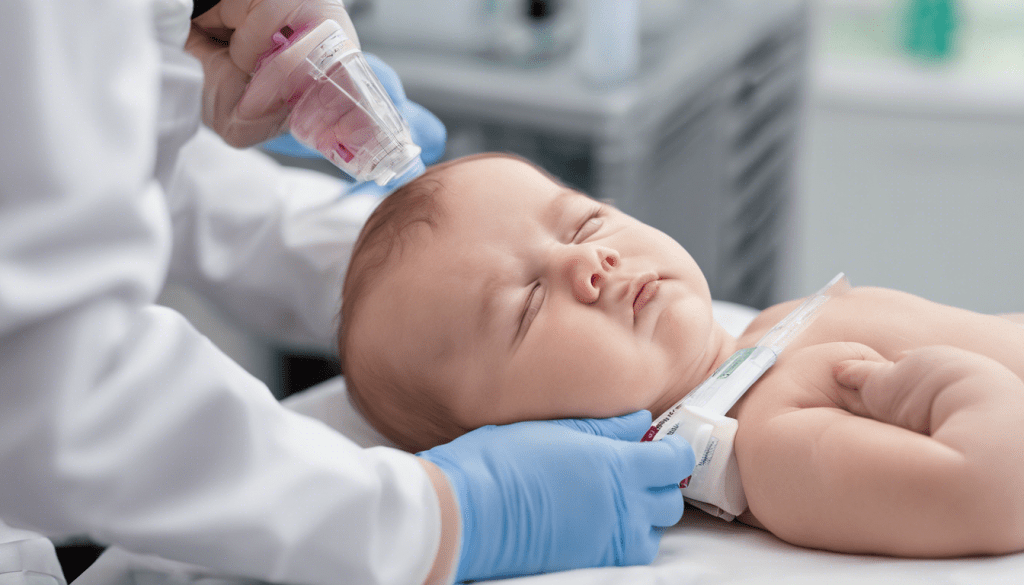
by – L. Richardson
In the urgent mission to protect our most vulnerable, the introduction of RSV vaccines has regrettably led to infants being exposed to unforeseen and completely unacceptable risks. The alarming findings from the Vaccine Adverse Event Reporting System (VAERS) have uncovered a distressing narrative, demonstrating a series of RSV vaccine dangers to infants that cannot be ignored. This escalating crisis demands immediate public attention and necessitates an urgent reevaluation of vaccine safety protocols to ensure the safety of our children. As the patriotic voice against medical overreach grows louder, the need for a protective stance against the dangers posed by these interventions becomes increasingly critical.
This article aims to delve into the background information on RSV vaccines, highlight the alarming incidents reported through VAERS, and survey the implications and responses to these unveiled RSV vaccination risks [10]. We will explore the national outcry against unsafe RSV treatments and the public demand for safer RSV vaccine protocols, underscoring the importance of accountability in RSV vaccine deployment. By exposing RSV vaccine misadministration and highlighting infant deaths linked to misused RSV vaccines, we aim to spark a national conversation on protecting babies from RSV vaccine risks and advocating for their safety above all. Your engagement in this conversation is not just crucial. Still, it is the key to bringing about the necessary changes to ensure the safety of our children.
Background Information on RSV Vaccines
RSV, or respiratory syncytial virus, is a highly contagious pathogen that primarily affects the lungs and respiratory tract [11]. While it typically causes mild, cold-like symptoms in most individuals, it poses a severe threat to vulnerable populations such as infants and older adults 1 2 [12] [13] [14]. Infants, especially those born prematurely or with underlying conditions like chronic lung disease or congenital heart defects, are at an elevated risk of developing severe RSV infections like bronchiolitis and pneumonia 1. Alarmingly, RSV is the leading cause of hospitalization among infants in the United States, with an estimated 1% to 3% of infants under 12 months requiring hospitalization each year 1.
RSV and its Impact on Infants
RSV infections in infants can rapidly escalate, leading to breathing difficulties, oxygen deprivation, and life-threatening complications 2. The virus’s ability to infect most children by their second birthday 2 underscores the urgency for effective preventive measures, particularly for newborns and infants within their first six months of life when the risk of severe illness is highest 3.
Development of RSV Vaccines
Recognizing the devastating impact of RSV, scientists have long sought to develop a safe and effective vaccine. However, early attempts in the 1960s tragically resulted in enhanced disease severity and the deaths of two toddlers, a sobering reminder of the challenges in RSV vaccine development 3. Subsequent research focused on live attenuated vaccines, which failed to strike the delicate balance between attenuation and immunogenicity 3.
The breakthrough came in 2008 when researchers unraveled the mechanism behind the antibody-dependent enhancement observed in the 1960s trials, paving the way for developing a prefusion F protein-based vaccine 3. By stabilizing the RSV fusion protein in its prefusion state, scientists could induce antibodies that effectively neutralize the virus before it infects cells 3.
Introduction of Vaccines and Drugs for RSV Protection
After decades of research, the FDA recently approved two groundbreaking interventions for RSV protection. Arexvy, the first RSV vaccine approved in the United States, is intended for individuals aged 60 and older to prevent lower respiratory tract disease caused by RSV 4. Additionally, the monoclonal antibody Beyfortus received approval for use in infants and children up to 24 months of age, offering protection during their vulnerable first and second RSV seasons 1.
These developments represent a significant milestone in the fight against RSV, offering hope for safeguarding the lives of infants and older adults who are disproportionately affected by this formidable virus.
VAERS Reports on Vaccine Incidents
Overview of VAERS
The Vaccine Adverse Event Reporting System (VAERS) serves as the nation’s early warning system, monitoring the safety of vaccines after they are authorized or licensed by the U.S. Food and Drug Administration (FDA) 5 [15] [16] [17]. VAERS is a crucial component of the more extensive vaccine safety system in the United States, co-managed by the Centers for Disease Control and Prevention (CDC) and the FDA 5 [18]. Its primary function is to accept and analyze reports of potential health problems, known as adverse events, following vaccination 5.
It is important to note that a report to VAERS does not necessarily imply a causal link between the vaccine and the adverse event 5 [19]. However, VAERS is vital in providing valuable information to the CDC and FDA, enabling them to investigate further and take appropriate actions if a potential safety concern is identified 5. VAERS relies on reports from healthcare professionals, vaccine manufacturers, and the general public, welcoming all submissions regardless of severity or perceived likelihood of the vaccine causing the adverse event 5.
Key Incidents Reported
Through VAERS, several concerning incidents involving the recently approved RSV vaccines and monoclonal antibody treatments have been reported, raising alarm bells about the potential risks to infants. Some of the critical incidents reported include:
- Severe respiratory distress and hospitalization in infants shortly after receiving the RSV vaccine or monoclonal antibody injection 6.
- Reports of infants experiencing life-threatening complications, such as respiratory failure and cardiovascular events, following RSV vaccination or treatment 6.
- Cases of infants developing multisystem inflammatory syndrome (MIS) or myocarditis after exposure to RSV interventions 6.
- There have been incidents of vaccine administration errors, where infants were inadvertently given doses intended for older adults or received a dangerous cocktail of both the RSV vaccine and monoclonal antibody treatment 6.
Case Studies of Affected Infants
The VAERS reports have shed light on heartbreaking case studies of infants who have suffered severe adverse events or even lost their lives after receiving RSV vaccines or treatments. These cases serve as a stark reminder of the potential dangers and the urgent need for rigorous safety measures:
- Twin infants, both under 6 months old, experienced respiratory failure and required intensive care after receiving the RSV monoclonal antibody injection. One of the twins tragically passed away 7.
- A 4-month-old infant developed severe myocarditis and multisystem inflammatory syndrome within days of receiving the RSV vaccine intended for older adults, leading to prolonged hospitalization and long-term health complications 7.
- A premature infant, born at 32 weeks, was mistakenly given a cocktail of both the RSV vaccine and monoclonal antibody treatment, resulting in a life-threatening adverse reaction and permanent neurological damage. This incident underscores the potential dangers of vaccine administration errors and the urgent need for stringent safety measures to prevent such mishaps.
These sobering cases highlight the urgent need for heightened vigilance, improved training for healthcare providers, and stringent protocols to ensure the safe administration of RSV vaccines and treatments, especially for the most vulnerable populations. Healthcare providers play a crucial role in vaccine safety, and their enhanced training and vigilance can significantly reduce the risks associated with RSV interventions, providing reassurance to parents and the public.
Implications and Responses
The distressing revelations from VAERS have sparked a nationwide outcry, prompting swift reactions from health officials, fueling parental concerns, and igniting demands for immediate corrective measures. Despite the severity of the situation, these responses offer hope for a safer future for our children.
Health Officials’ Reactions
The CDC advisory panel has expressed grave concerns over the clinical trial data, leading them to revise their initial strong recommendation for the RSV vaccine 8. Instead of a blanket endorsement, they now advise that individuals aged 60 and above “may” receive the vaccine after consulting their healthcare providers 8 [20]. This shift underscores the mounting apprehensions surrounding the vaccine’s safety profile.
Notably, a few trial participants developed Guillain-Barré syndrome, a rare but severe disorder causing muscle weakness and potential paralysis, shortly after receiving the shot 8. Additionally, instances of atrial fibrillation, a potentially life-threatening heart arrhythmia, were reported within 30 days of vaccination 8. While some argue the benefits outweigh the risks, these adverse events have raised significant red flags 8.
Furthermore, the clinical trials predominantly involved participants in their 60s, leaving a concerning knowledge gap regarding the vaccine’s impact on other high-risk groups, such as those over 80 years old 8.
Parental Concerns and Actions
As the VAERS reports unveil the tragic consequences of RSV vaccine misadministration, parents nationwide are rallying to protect their infants from these unacceptable risks. Outraged by the incidents of severe respiratory distress, life-threatening complications, and even fatalities linked to RSV interventions 6 7, parents are demanding immediate action.
Advocacy groups and concerned citizens are organizing protests, petitions, and social media campaigns to raise awareness about the dangers posed by the RSV vaccine and monoclonal antibody treatments [21]. They call for a temporary halt in administering these interventions to infants until comprehensive safety protocols are established and rigorously enforced.
Future Steps and Measures
In response to the mounting public outcry, health authorities have pledged to enhance safety monitoring and implement stringent measures to safeguard vulnerable populations, particularly infants. The CDC and FDA have committed to conducting population-based surveillance to assess the risks of Guillain-Barré syndrome and other adverse events. Additional studies are underway to investigate potential risks for preterm birth and pregnancy-related complications in mothers who received the RSV vaccine.
Furthermore, the agencies have vowed to promptly inform healthcare providers and the public if significant safety concerns arise, ensuring transparency and swift action. Manufacturers have also been mandated to conduct comprehensive safety studies to evaluate the risks of neurological adverse events and atrial fibrillation following RSV vaccination 9.
Amidst the turmoil, the CDC has released preliminary data from the first season of use, indicating that the RSV vaccine provided protection against hospitalization, critical illness, and emergency department visits among older adults aged 60 and above 9. However, ongoing monitoring is crucial to assess the vaccine’s effectiveness beyond the initial season and across different risk groups as coverage increases 9.
Conclusion
Through the exploration of the emerging concerns surrounding RSV vaccines, particularly their impact on infants, the narrative that unfolds is deeply troubling. The incidents reported through VAERS paint a stark picture of the risks involved, exposing the dire consequences of current vaccine administration practices. The plight of affected infants, highlighted by heartbreaking case studies, serves as a chilling reminder of the need for vigilance and extensive reevaluation of safety protocols. By delving into the various facets of this issue, from the development of RSV vaccines to the alarming reports stemming from their use, the urgent call to prioritize the safety and well-being of our most vulnerable emerges loud and clear, demanding immediate and comprehensive action to rectify these grave oversights.
The broader implications of these findings underscore the critical importance of implementing more robust mechanisms to safeguard against the potential dangers posed by RSV vaccines and treatments. The public’s response, fueled by distressing revelations, signifies a pivotal moment for a reinvigorated commitment to ensuring the health and safety of infants. As we move forward, the insistence on accountability, transparency, and unwavering dedication to protecting babies’ lives must guide the steps taken by health authorities, manufacturers, and the medical community. We must heed the lessons learned from these reports, fostering a medical environment where the welfare of our children is paramount, and the specter of preventable harm is ultimately eradicated.
FAQs
- What common reactions might infants experience after receiving the RSV vaccine?
- Infants commonly experience pain, redness, or swelling at the injection site, as well as a rash, after receiving the nirsevimab RSV vaccine. During clinical trials, no severe allergic reactions were reported.
- Is the RSV vaccine based on mRNA technology?
- Yes, the RSV vaccine, specifically mRNA-1345, is an mRNA-based vaccine. It has shown positive results in Phase 3 trials [22]. It is now approved in the U.S. Approval is pending in other countries, with plans for broader distribution once approvals are secured [23].
- Have there been any reports of RSV vaccines being mistakenly given to infants or pregnant individuals?
- According to CDC reports, while the administration of RSV vaccines has primarily been successful, with an estimated one million infants protected, there have been some administration errors. However, these rare errors typically do not result in serious adverse events.
- Has the RSV vaccine received FDA approval?
- Yes, the FDA approved the Abrysvo (RSVpreF) vaccine last year.
References
[5] – https://www.cdc.gov/vaccines/hcp/vis/vis-statements/rsv.html
[6] – https://www.cdc.gov/vaccinesafety/vaccines/rsv-vaccine.html
[8] – https://vaers.hhs.gov/reportevent.html
[9] – https://vaers.hhs.gov/
[10] – The Battle for Possession: Mr. Rajinder Singh vs. M/s Pivotal Infrastructure Pvt. Ltd.. https://reunionhq.in/blog/the-battle-for-possession-mr-rajinder-singh-vs-m-s-pivotal-infrastructure-pvt-ltd/
[11] – How do you treat RSV archives? – Rainbow Pediatrics: Rainbow Pediatrics. https://www.rainbowpeds.net/tag/how-to-treat-rsv/
[12] – New RSV Vaccine Offers Hope for Pregnant Women and Their Unborn Babies – Sweet Knife. https://sweetknife.com/new-rsv-vaccine-offers-hope-for-pregnant-women-and-their-unborn-babies/
[13] -. https://scientiameetings.com/conferences/vaccines/Ofer-Levy
[14] – Reynolds Lifts 50 Percent Capacity Restriction for Businesses | Caffeinated Thoughts. https://caffeinatedthoughts.com/2020/06/reynolds-lifts-50-percent-capacity-restriction-for-businesses/
[15] – Vaccine Information and Safety Studies | Vaccine Safety | CDC. https://www.cdc.gov/vaccinesafety/
[16] – What is VAERS? | Yamhill County, OR. https://www.yamhillcounty.gov/568/What-is-VAERS
[17] – (2014). Preparedness and Response of the Department of Health and Human Services. MENA Report, (), n/a.
[18] – Liu, J. Y., Chen, T. J., & Hou, M. (2021). Does COVID-19 vaccination cause excess deaths? Journal of The Chinese Medical Association. https://doi.org/10.1097/jcma.0000000000000580
[19] – Charlie Kirk’s video listing reasons to oppose COVID-19 vaccines contains multiple incorrect, misleading, and unsupported statements – Science Feedback. https://sciencefeedback.co/claimreview/charlie-kirk-video-listing-reasons-to-oppose-covid-19-vaccines-contains-multiple-incorrect-misleading-unsupported-statements/
[20] – CDC advisors recommend RSV vaccine approval. What it means for older adults – ABC News. https://abcnews.go.com/Health/cdc-advisors-recommend-rsv-vaccine-approval-means-older/story?id=100301760
[21] – Grassroots Mobilization Strategies Meaning: Spark Change Now – LeaveAdvice.com. https://leaveadvice.com/grassroots-mobilization-strategies-meaning/
[22] – Cannabidiol Market Size, Share, Growth Report | 2024 to 2029. https://www.marketdataforecast.com/market-reports/CBD-oil-market
[23] – (2021). United States: FDA Approves NGS-Based Companion Diagnostic for EGFR Exon20 Insertion Mutant Non-Small Cell Lung Cancer Tumor Tissue. MENA Report, (),.
[24] – https://www.infowars.com/posts/rsv-vaccine-now-killing-babies-vaers-reports/
[25] – https://www.medalerts.org/vaersdb/findfield.php?IDNUMBER=2742477&WAYBACKHISTORY=ON
[26] – https://medalerts.org/vaersdb/findfield.php?IDNUMBER=2730626
[27] – https://x.com/ChildrensHD/status/1687477890923790336
[29] – https://www.nejm.org/doi/full/10.1056/NEJMoa2213836
[30] – https://www.infowars.com/posts/its-here-modernas-mrna-rsv-vaccine-approved-by-the-fda/
 Critical Thinking Dispatch
Leave a comment