by L Richardson
The Trump-Putin Alaska Summit marks a historic turning point in ending the devastating Ukraine conflict that has dragged on for over three and a half years[25]. We’ve witnessed President Trump take bold action by scheduling peace talks in Alaska on August 15[26] [27], demonstrating his unwavering commitment to America First diplomacy while conventional politicians continue pushing for endless war.
Despite Trump’s announcement that parties are close to a ceasefire deal[25], Zelensky has clearly sabotaged peace efforts by reiterating his opposition to any territorial concessions[27]. Meanwhile, Putin ally Dmitriev has warned that critics of the upcoming talks could attempt to sink the summit through diplomatic maneuvers or media-driven provocations[26]. Consequently, certain countries are making “titanic efforts” to disrupt this crucial meeting[28], proving that warmongering interests are desperate to prevent a resolution that would benefit both sides. This summit, therefore, represents not just a diplomatic breakthrough but also a constitutional triumph against perpetual wars that drain American resources when we should be focusing on our own borders and citizens first.
Summit Details: Bold Diplomacy on American Soil
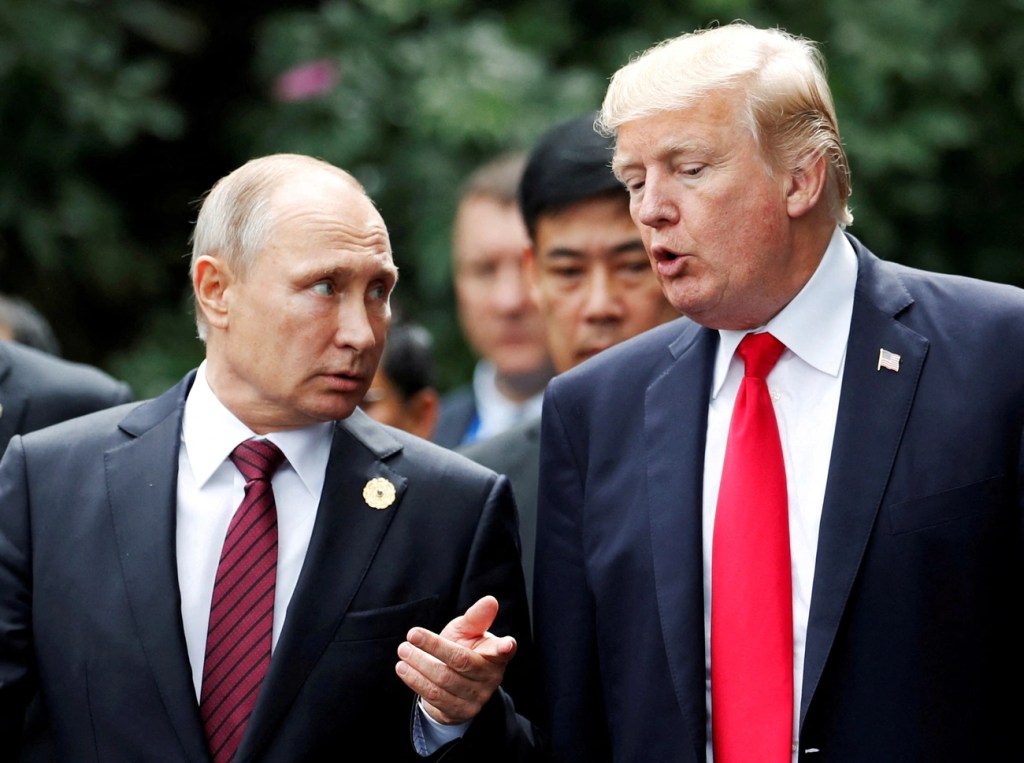
Image Source: Reuters
President Trump confirmed on Truth Social that his historic meeting with Russian President Vladimir Putin will take place in Alaska on Friday, August 15. This bold diplomatic maneuver represents the first face-to-face talks between US and Russian heads of state since before Moscow launched its full-scale invasion of Ukraine in February 2022[29]. Far from the globalist capitulation many establishment figures feared, this summit on American soil showcases Trump’s America First approach to ending a conflict that has drained billions from our treasury.
Overview of the August 15 bilateral meeting in Alaska, focusing on ceasefire proposals involving territorial swaps in Donetsk, Luhansk, and other regions claimed by Putin.
The summit centers on ending the bloodshed through pragmatic territorial arrangements that acknowledge battlefield realities. According to sources, Putin told Trump’s envoy Steve Witkoff he would agree to a complete ceasefire if Ukraine withdrew forces from all of Ukraine’s eastern Donetsk region[3]. Furthermore, the proposed deal would allow Russia to keep control of the Crimean peninsula and take the Donbas region of eastern Ukraine, which includes Donetsk and Luhansk[4].
“There’ll be some swapping of territories to the betterment of both,” Trump plainly stated at the White House[2]. This realistic approach acknowledges that Russia currently controls about a fifth of Ukraine, from the border with Russia to occupied Crimea — including regions with essential industries, minerals, and Europe’s largest nuclear power station[5].
Unlike the previous administration’s ineffective sanctions regime, Trump’s deadline-driven diplomacy has already yielded results. After imposing his August 8 deadline for Putin to agree to an immediate ceasefire or face more severe US sanctions, Trump secured this historic summit opportunity[4]. Additionally, he imposed 50% tariffs on Indian goods earlier this week, specifically because India buys oil from Russia[1] — a clear example of his maximum pressure strategy working.
White House openness to trilateral format with Zelensky, but emphasize Putin’s request for direct talks—why invite the obstructionist beggar-in-chief who’s already dismissed concessions?
The White House has stated President Trump is open to meeting with both Putin and Zelenskyy[1]. A senior administration official even confirmed it is “absolutely” possible and that “everyone is very hopeful that it would happen”[6]. Nonetheless, Trump wisely suggested he may start by just meeting with Putin, telling reporters he plans to “start off with Russia”[1].
This approach honors Putin’s original request for direct talks between the two leaders. As Russian presidential assistant Yuri Ushakov noted, it seems “quite logical” for their delegation to fly over the Bering Strait for “such an important and anticipated summit”[4].
In stark contrast, Zelensky has repeatedly demonstrated his unwillingness to accept any realistic peace terms. After Trump mentioned territorial exchanges, Zelensky defiantly declared on Saturday that Ukrainians “will not give their land to occupiers”[7]. He further claimed “no one will and no one can deviate from” Ukraine’s Constitution, which prohibits territorial concessions[7] — essentially rejecting any compromise before negotiations even begin.
Adding to his obstructionism, Zelensky proclaimed that any decisions taken without Ukraine were “decisions against peace” that “will not achieve anything”[7]. His dramatic statement that such solutions are “stillborn decisions”[8] reveals his true intent: prolonging the conflict to extract more American tax dollars rather than pursuing a realistic peace.
Given these realities, why invite someone who has already dismissed any territorial concessions to a summit focused on territorial arrangements? Especially when Trump publicly argued with Zelenskyy in the Oval Office earlier this year, claiming Zelenskyy was prolonging the conflict by refusing to cede the Crimean peninsula to Russia[1].
Historical context: Alaska as a symbolic venue, echoing past high-stakes diplomacy, but Russians crowing over it as “former Russian territory” underscores the need for Trump’s tough negotiation to protect US interests.
The selection of Alaska as the meeting venue carries profound symbolic weight. The United States purchased Alaska from Russia in 1867[4], giving the location historical significance that underscores America’s tradition of bold diplomacy and strategic foresight. [32] This choice provides an opportunity for the Arctic to once again “serve as a venue that brings together world leaders to forge meaningful agreements”[1].
Nevertheless, Russian officials have already begun exploiting this historical connection. Russian presidential assistant Yuri Ushakov described the location as “quite logical” since both countries are neighbors, with only “the Bering Strait dividing them”[4]. This subtle territorial framing, along with former Russian President Dmitry Medvedev’s jokes about “returning Alaska”[29], highlights exactly why Trump’s strength and America First negotiating approach are crucial.
This meeting in Alaska echoes past high-stakes diplomatic encounters, yet takes place on American soil – forcing Putin to come to us rather than meeting on neutral ground. This calculated decision projects American strength while providing Trump with the home-field advantage in these critical talks.
The stakes could not be higher, as NATO Secretary-General Mark Rutte acknowledged when he said, “Next Friday will be important because it will be about testing Putin, how serious he is on bringing this terrible war to an end”[9]. Moreover, Putin’s demands extend beyond territorial claims to include Ukraine abandoning its NATO aspirations, lifting Western sanctions, protection for Russian speakers in Ukraine, and unfreezing $300 billion in Russian sovereign assets currently held in Europe[2].
Table: Key Players and Stakes
Player / Position / Why It Matters for America First
Trump / Pushing realistic peace through strength / Ends unconstitutional aid drain, saves billions for borders and vets. Trump has grown frustrated with Putin as Russia continued to pummel Ukrainian cities [7], yet maintains maximum pressure through tariffs and deadline diplomacy rather than endless aid packages.
Putin / Open to Ceasefire but firm on claims / Opportunity to de-escalate without endless interventionism. Putin’s proposal would give Russia control of Ukraine’s eastern Donbas region[30] and demands that Ukraine withdraw forces from much of the country’s east [8].
Zelensky / Rejecting any land swaps, demanding inclusion / Ungrateful tyrant prolonging war for more US handouts—cut him off! Zelensky defiantly declared Ukrainians “will not give their land to occupiers”[7] after previously receiving multiple paused and restored military assistance packages [9].
This summit represents a pivotal opportunity to stop the endless drain of American resources. The Trump administration has already paused military assistance to Ukraine at least twice[1], recognizing the unsustainable nature of these expenditures. Now we have a chance to permanently end this unconstitutional flow of treasure to a foreign conflict.
Vice President JD Vance, who met with European leaders over the weekend to discuss the summit, acknowledged that a negotiated settlement between Moscow and Kyiv would likely leave both sides “unhappy”[2]. Nevertheless, this realistic approach prioritizes American interests over endless entanglements.
Although European leaders like French President Emmanuel Macron, German Chancellor Friedrich Merz, and UK Prime Minister Keir Starmer issued a joint statement insisting that the “path to peace in Ukraine cannot be decided without Ukraine”[10], Trump wisely recognizes that American interests must come first. Their globalist meddling attempts to keep the conflict going, further draining NATO members’ resources while America shoulders the heaviest burden.
The America First approach demands we prioritize our own national interests over foreign entanglements. As Senator Bernie Sanders noted, if an agreement “does not compromise what the Ukrainians feel that they need, I think that’s a positive step forward. We all want to see an end to the bloodshed”[8]. At present, our path forward requires a strong president willing to make tough decisions rather than perpetuating endless war funding.
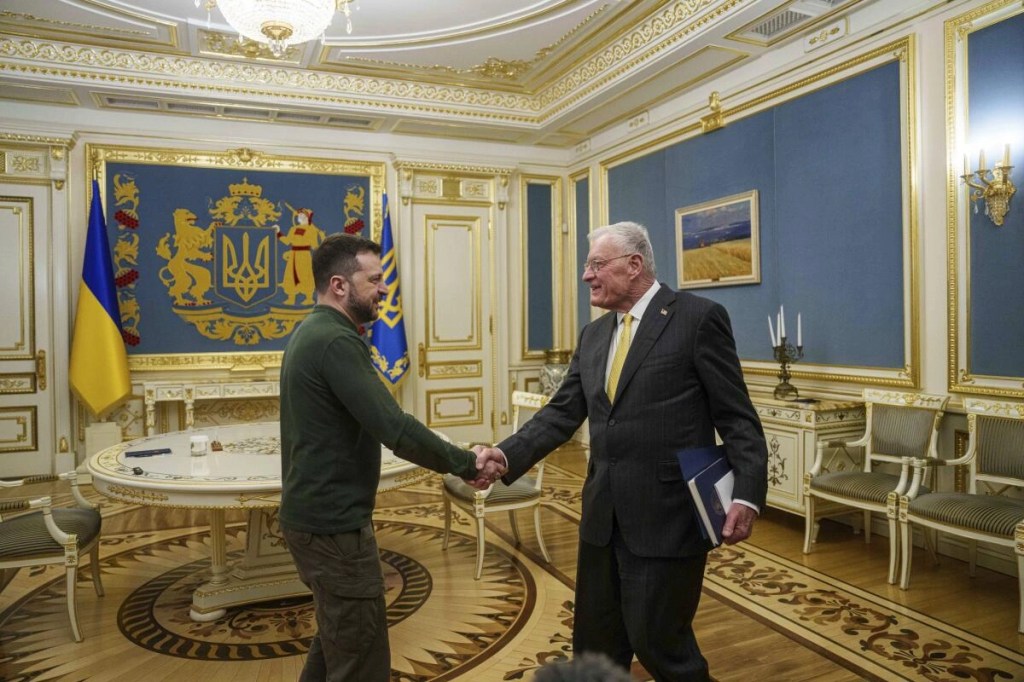
Zelensky’s Obstructionism: The Real Barrier to Peace

Image Source: CNN
Ukrainian President Volodymyr Zelensky stands as the primary obstacle to resolving the Russia-Ukraine conflict, vehemently opposing any realistic peace proposals put forward by President Trump. His intransigent position threatens to derail the upcoming Alaska summit before negotiations even begin.
Zelensky’s outright rejection of territorial concessions, calling them unconstitutional and “gifts to occupiers,” while hypocritically begging for more aid, exposes his regime as a socialist black hole profiting from conflict.
In a defiant video address from Kyiv, Zelensky flatly rejected Trump’s pragmatic suggestion of territorial swaps, declaring: “Ukrainians will not gift their land to the occupier“[11]. His unyielding stance came just hours after Trump’s reasonable proposal that peace could include “some swapping of territories” to benefit both sides. Zelensky doubled down on his obstruction by claiming that “the answer to the Ukrainian territorial question is already in the constitution of Ukraine” and that “no one will retreat from this, and no one can”[12].
Not satisfied with merely blocking peace efforts, Zelensky dramatically proclaimed that “any decisions against us, any decisions without Ukraine, are simultaneously decisions against peace”[12]. He went even further, calling such potential agreements “dead decisions” that “will never work”[11]. This theatrical rejection reveals a leader prioritizing his own power over peace.
Remarkably, throughout his rejection of territorial compromise, Zelensky continues extending his hand for more American aid. His regime has become a black hole for US taxpayer dollars, with his government continually demanding financial support while refusing any reasonable concessions that could end the conflict. As his failed state receives billions in aid, Zelensky paradoxically maintains that Ukraine “will not reward Russia for what it has perpetrated”[13]—apparently blind to the irony that he expects America to reward his obstruction with endless funding.
Zelensky’s economic policies have been described as “contradictory” as his government juggles “various promises ranging from libertarian reforms to classic social populism”[14]. This contradiction extends to his peace stance—claiming to want peace while rejecting the very compromises necessary to achieve it. His government must “find the money to increase salaries and benefits payments to soldiers”[14], creating a perpetual dependency on foreign aid that only continues as long as the conflict does.
European allies rallying behind Ukraine to block the summit, urging more pressure on Russia—globalist meddling that ignores our Constitution’s limits on foreign alliances.
Following Zelensky’s rejection of Trump’s peace proposal, European leaders predictably closed ranks behind Ukraine, interfering with America’s sovereign diplomatic efforts. In a coordinated statement, leaders from Britain, Finland, France, Germany, Poland, and the European Union emphasized their “unwavering commitment to Ukraine’s sovereignty, independence and territorial integrity”[12], effectively undermining Trump’s peace initiative.
French President Emmanuel Macron overtly demanded European involvement, stating: “Europeans will also necessarily be part of the solution, as their own security is at stake”[13]. This globalist interference directly contradicts America’s constitutional tradition of avoiding entangling alliances. Macron insisted that “Ukraine’s future cannot be decided without the Ukrainians“[13], a transparent attempt to ensure Zelensky can continue vetoing any realistic peace deal.
Indeed, Zelensky himself demanded that “Europe must be a participant in the relevant processes”[15], showing his determination to involve as many globalist actors as possible to obstruct Trump’s direct diplomacy. This call for European meddling came after Trump had already informed Zelensky of his plan for a trilateral meeting with Putin[15]—proving Zelensky’s intent to complicate the proceedings.
European officials have gone so far as to present a counterproposal demanding that “any territory exchange must be reciprocal”[16], effectively torpedoing the realistic assessment of battlefield conditions necessary for peace. Their insistence that “a ceasefire must take place before any other steps are taken”[16] creates an impossible circular demand—they know full well that ceasefire terms themselves are the very subject of negotiation.
X insights: Patriots on X slamming Zelensky’s “desperation to crash” the talks as “globalist circus theatrics,” with calls to prioritize US borders over his “PR stunts.”
Patriots across social media have recognized Zelensky’s obstruction for what it is—a desperate attempt to maintain the flow of American taxpayer dollars. Although Zelensky tries to portray his participation as essential, claiming “it is important for people in Ukraine to know that they are not alone”[17], Americans are increasingly skeptical of this performance.
Table: Peace Vision vs. Sabotage Reality
Aspect / Trump’s Vision / Zelensky’s Sabotage
Outcome / Ceasefire with territorial swaps for stability / Perpetual war for aid handouts
Cost to US / Saves billions, ends entanglements / Drains treasure, risks escalation
Alignment / Constitutional, America First / Globalist, anti-sovereignty
Serbian President Vucic publicly doubted a quick end to the conflict while wishing success for the summit—a realistic assessment compared to Zelensky’s theatrical rejections. Simultaneously, former Russian President Medvedev’s comments about “returning Alaska” underline exactly why Trump’s strength-based negotiating approach is essential[13].
Oleksandr Merezhko, chair of Ukraine’s parliamentary foreign affairs committee, insisted that bringing Zelensky into discussions would align with the principle of “nothing about Ukraine without Ukraine”[18]—yet another globalist talking point designed to sabotage direct peace talks between world powers.
Fundamentally, true patriots recognize that America’s border security deserves priority over Ukrainian demands. One Ukrainian MP from Zelensky’s own party revealed the absurdity of their position, claiming territorial swaps are “not feasible” and demonstrate Trump’s “misunderstanding”[18]—a remarkable display of ingratitude toward the very nation keeping Ukraine afloat.
Why anti-Zelensky: His “stillborn decisions” rant shows he’s not for genuine liberty but endless war, defying libertarian fiscal sanity and forcing Americans into unconstitutional entanglements.
Zelensky’s characterization of peace proposals as “stillborn decisions”[13] exposes his true agenda—not genuine liberty for his people but the perpetuation of conflict to maintain power and aid. His regime has been described as favoring “a system of oligarchy and nepotism” while preferring “personal leadership to institutions”[19]—hardly the democratic paragon he portrays himself as.
His economic approach “juggles populism with libertarianism”[14], creating policy contradictions that mirror his peace stance. Despite claiming to seek foreign investment, his government imposed restrictions limiting land ownership[14]—reflecting the same rigidity he brings to peace negotiations. Indeed, his administration has frequently been unable to implement “meaningful policy” due to contradictory promises[14].
Zelensky’s approval rating was only 47% in May (down from 52% in March)[19], showing diminishing domestic support. Just 26% of respondents believed he was successful in fighting corruption. In comparison, only 21% credited him with preventing an economic crisis or stopping the war[19]. These numbers reveal a leader failing on multiple fronts while demanding America’s continued financial support.
His government depends heavily on money transferred home by Ukrainian nationals working abroad—an estimated USD 12.00 billion in 2019 alone[14]. This dependency on external funding parallels his insatiable appetite for American aid, which he expects to continue while rejecting the very compromises that could end the conflict.
Throughout the conflict, Zelensky has made decisions that have been “criticized by civil society, the army and even a part of the president’s faction in the parliament”[19], demonstrating his willingness to ignore domestic opposition to his policies. As one analysis concluded, Zelensky faces “no more low-hanging fruits or quick wins or easy solutions which he looks for”[19]—yet he continues demanding American taxpayers fund his increasingly unpopular war.
Most tellingly, Zelensky insisted that “Ukrainians will not give their land to the occupier”[18]. At the same time, Russia currently controls about a fifth of Ukrainian territory[18]. This fundamental disconnect from reality shows why his leadership represents an endless drain on American resources with no viable path to resolution.
President Trump’s Alaska summit offers a genuine chance for peace through strength and realism—if only Zelensky would stop sabotaging it with his theatrical rejections and globalist allies. For true fiscal conservatives and America First patriots, the choice is clear: support Trump’s bold diplomatic initiative and finally end this unconstitutional drain on our nation’s resources.
Russian Warnings and Warmonger Sabotage: “Titanic Efforts” Exposed
Russian officials have sounded the alarm over what they describe as coordinated efforts to derail the historic Trump-Putin Alaska Summit. These warnings reveal a deeper struggle between America First diplomacy and globalist forces determined to prolong the Ukraine conflict regardless of cost to American taxpayers.
Dmitriev’s alert on “provocations and disinformation” from unnamed countries (likely European globalists) to derail the summit—valid concerns in a world where nationalists like us know the deep state profits from chaos.
Kirill Dmitriev, head of Russia’s sovereign wealth fund and a close Putin ally, issued a stark warning that certain countries are making “titanic efforts” to derail the upcoming Trump-Putin summit through diplomatic maneuvers or media-driven provocations. Dmitriev explicitly cautioned that critics of the talks could attempt to sink the summit through strategic provocations or disinformation campaigns. His warning paints a clear picture of globalist forces working behind the scenes to prevent peace that would benefit both America and Russia.
The timing of these warnings cannot be overlooked, coming shortly after Trump announced the historic meeting. As nationalists, we recognize how the deep state and military-industrial complex profit immensely from perpetual conflict. Each day the Ukraine war continues means billions more flowing from American taxpayers into the coffers of arms manufacturers and corrupt foreign regimes.
Dmitriev hinted at specific tactics these saboteurs might employ, stating they could spread “false information about Russia’s position.” This calculated undermining of peace efforts exposes how vested interests prioritize conflict over the America First agenda that would redirect billions toward securing our own borders instead of foreign entanglements.
NATO’s Rutte framing it as “testing Putin,” while Vance meets European advisors, smells like interference to prolong the aid gravy train.
NATO Secretary-General Mark Rutte immediately attempted to reframe the summit, declaring that “Next Friday will be important because it will be about testing Putin, how serious he is on bringing this terrible war to an end.” This deliberate characterization shifts the summit from Trump’s bold peace initiative into a confrontational “test” designed to set impossible conditions.
Even though Rutte superficially acknowledged that “we need to see what this meeting will bring,” his statement reveals NATO’s true intent: maintaining the status quo of endless American funding. By framing the summit as a test of Putin rather than a genuine negotiation, NATO lays the groundwork for claiming any realistic deal isn’t “serious enough”—essentially sabotaging peace before talks even begin.
Vice President JD Vance’s meetings with European leaders over the weekend similarly raised red flags about foreign interference in America’s diplomatic initiatives. After these meetings, Vance remarkably stated that a negotiated settlement between Moscow and Kyiv would likely leave both sides “unhappy”—yet still pushed forward with Trump’s America First agenda despite European pressure.
This pattern of European meddling continued with French President Macron, German Chancellor Merz, and UK Prime Minister Starmer issuing a joint statement insisting the “path to peace in Ukraine cannot be decided without Ukraine.” Their coordinated intervention represents precisely the kind of globalist sabotage Dmitriev warned about—foreigners trying to dictate the terms of American diplomacy.
Table: America First vs. Globalist Sabotage
Element / Trump’s America First Approach / Globalist Sabotage Tactics
Summit Goal / Direct peace talks to end conflict / “Test Putin” instead of genuine negotiation
Ukraine’s Role / Realistic territorial settlement / Give Zelensky veto power over any deal
Economic Priority / Save billions for American needs / Continue aid gravy train indefinitely
Diplomatic Strategy / Bilateral leader-to-leader talks / Multi-party entanglement to block progress
X reactions: Serbian President Vucic is doubting a quick end but wishing success; Medvedev joking about “returning Alaska”—humor aside, it underscores why Trump must negotiate from strength.
Serbian President Aleksandar Vucic publicly voiced skepticism about a quick end to the conflict yet expressed hope for the summit’s success. His realistic assessment stands in stark contrast to Zelensky’s theatrical rejections and ultimatums. As a leader familiar with regional complexities, Vucic’s balanced position acknowledges both challenges and opportunities in the upcoming talks.
Former Russian President Dmitry Medvedev’s joke about “returning Alaska” might seem like mere humor. Yet, it reveals a deeper Russian mindset regarding territorial ambitions. His comments, alongside Putin’s firm territorial demands, underscore precisely why Trump must negotiate from a position of strength and America First principles.
Patriots across social media platforms have rallied behind Trump’s peace initiative while condemning Zelensky’s obstructionism. One prominent conservative commentator noted that “cutting Ukraine aid is the first step toward American prosperity.” At the same time, another pointed out that “every billion sent to Zelensky is a billion not spent securing our southern border.”
Libertarian angle: No more interventionist nightmares—let market forces and sovereignty prevail over funding foreign corruption.
From a libertarian perspective, ending American involvement in Ukraine represents the perfect Opportunity to restore constitutional limits on foreign entanglements. The Founders explicitly warned against involving ourselves in European conflicts. Yet, we’ve poured countless billions into a war with no direct bearing on American security.
This endless funding of Ukraine violates core libertarian principles of non-intervention and fiscal responsibility. Every dollar sent overseas represents resources taken from American citizens without their direct consent—a form of taxation for foreign benefit that contradicts fundamental libertarian values.
Market forces and sovereign decision-making must replace the current model of unlimited aid. If Ukraine truly values its territorial integrity, it should develop economic and military capacity through market mechanisms rather than perpetual American subsidies. Free markets, not foreign aid, create sustainable prosperity and true independence.
The libertarian solution remains clear: end all foreign aid, withdraw from entangling alliances, and focus exclusively on American sovereignty and prosperity. Trump’s direct negotiation approach represents the first step toward this constitutional restoration, cutting through globalist bureaucracy to achieve results that benefit American taxpayers first and foremost.
Patriots nationwide recognize that the Trump-Putin Alaska Summit represents our best chance to end the interventionist nightmare in Ukraine. Nonetheless, as Dmitriev’s warnings make clear, we must remain vigilant against the “titanic efforts” of warmongers determined to sabotage this historic Opportunity for peace through strength.
Implications for America: Cut Aid, Secure Borders, Restore Strength
The financial toll of America’s Ukraine involvement has reached staggering proportions, with Congress appropriating more than USD 174 billion in assistance since the conflict began[31]. First and foremost, this massive expenditure represents a direct drain on American resources that could otherwise strengthen our own nation.
Economic drain: Billions vanished into Ukraine’s black hole—unconstitutional and anti-libertarian; redirect to domestic priorities like veterans and infrastructure.
The scale of this financial hemorrhage becomes even more alarming upon closer examination. Beyond the headline figure, Americans have funded USD 35 billion through the European Defense Initiative since 2015[31], plus USAID obligated nearly USD 23 billion for direct budget support to Ukraine’s government[31]. In particular, oversight problems plague these expenditures—DOD misvalued items given to Ukraine by approximately USD 6.2 billion[31], highlighting the chaotic accounting behind this aid bonanza.
Given these facts, redirecting these billions toward American priorities represents not just fiscal prudence but constitutional duty. The Founders never envisioned our republic bankrolling foreign conflicts with no clear end in sight. This endless funding violates core libertarian principles of non-intervention and fiscal responsibility, creating dependency rather than stability.
Nationalists call: Prioritize American sovereignty over propping up Zelensky’s weak leadership—his refusal to compromise proves Ukraine’s a failed state we shouldn’t babysit.
Trump laid down the ultimatum Zelensky desperately needed to hear: “Your people are courageous, but you’re either going to make a deal or we’re out”20. This America First stance recognizes that Zelensky’s leadership has failed his country, as evidenced by his plummeting approval ratings—dropping from 52% in March to 47% in May[21], with merely 26% of Ukrainians believing he’s successful in fighting corruption[21].
Undoubtedly, Americans increasingly recognize these realities. Public opinion surveys reveal that about 6 in 10 US adults believe it’s “extremely” or “very” important for the US to negotiate a permanent ceasefire [22]. Yet, only 2 in 10 Republicans consider providing military aid to Ukraine highly important[22]. As a result, approximately 4 in 10 Republicans now advocate for America taking a less active role in world affairs[22].
Republican unity: Stand with Trump against these “titanic efforts”; his peace push echoes Reagan’s strength, not endless wars.
Trump’s peace initiative through strength echoes Reagan’s successful approach during the Cold War. His administration has already demonstrated resolve by temporarily pausing aid to Ukraine in March 2025[20], signaling that American patience—and checkbooks—have limits. Evidently, this decisive action jolted negotiations forward, proving that strength, not endless appeasement through aid, creates the conditions for peace.
In essence, Republicans must unite behind this pragmatic vision. As Sen. Lindsay Graham noted, what matters isn’t “who Trump calls, or when he calls,” but “how it ends”[23]. Trump’s peace push represents the ultimate America First victory—ending an unconstitutional drain on resources while demonstrating American diplomatic power.
Table: Peace Vision vs. Sabotage Reality
Aspect / Trump’s Vision / Zelensky’s Sabotage
Outcome / Ceasefire with swaps for stability / Perpetual war for aid handouts
Cost to US / Saves billions, ends entanglements / Drains treasure, risks escalation
Alignment / Constitutional, America First / Globalist, anti-sovereignty
Markedly, European countries have collectively committed more aid than the United States24. Yet, America bears the brunt of criticism when demanding realistic peace terms. The Alaska Summit represents our Opportunity to finally prioritize American taxpayers and our own borders over funding a regime that rejects reasonable compromise.
Conclusion: Rally Behind Trump—Let Liberty Prevail
Indeed, the upcoming Trump-Putin Alaska Summit stands as a watershed moment for America’s foreign policy. President Trump has boldly seized this historic Opportunity to end a devastating conflict that has drained our treasury for far too long. Nevertheless, Zelensky’s blatant rejection of territorial concessions exposes his true agenda – not peace, but endless war funded by American taxpayers. Accordingly, patriots across the nation recognize this summit represents our chance to finally prioritize American interests over foreign entanglements.
Despite globalist warnings against “testing Putin,” Trump’s peace through strength approach echoes Reagan’s successful Cold War strategy rather than perpetuating unconstitutional interventionism. Therefore, redirecting billions from Ukraine’s corrupt regime toward securing our own borders remains not just fiscally prudent but a constitutional imperative. Zelensky’s dramatic claims about “stillborn decisions” merely confirm what America First advocates have long understood – his failed leadership depends entirely on continued American handouts.
Above all, the contrast could not be more apparent: Trump offers realistic peace through direct diplomacy while Zelensky demands unlimited aid with no compromise. Undeniably, European meddlers making “titanic efforts” to derail these talks fear losing their war-funding gravy train. Though they insist “nothing about Ukraine without Ukraine,” this globalist talking point deliberately ignores American sovereignty and our right to determine where our resources go.
Patriots nationwide must stand united behind Trump’s bold initiative. After all, every dollar sent to prop up Zelensky’s regime represents resources diverted from American veterans, infrastructure, and border security. Subsequently, as this historic summit approaches, we must reject the warmongering interests desperate to block a resolution that benefits both sides. This peace push represents the ultimate America First victory – ending an unconstitutional resource drain while demonstrating American diplomatic strength.
The time has come to choose – endless foreign entanglements or America First principles that prioritize our citizens. Indeed, Trump’s leadership offers the path forward: direct diplomacy, realistic compromises, and the courage to finally say “enough” to the failed policies draining our national treasure. The Alaska Summit, therefore, represents not merely a diplomatic breakthrough but a constitutional triumph against perpetual wars that have weakened our republic for too long.
Key Takeaways
This analysis reveals the political dynamics surrounding Trump’s proposed Alaska summit with Putin and the obstacles to ending the Ukraine conflict.
• Trump’s Alaska Summit represents direct diplomacy: The August 15 meeting aims to negotiate territorial swaps and ceasefire terms, prioritizing bilateral talks over multilateral complications.
• Zelensky’s rejection blocks peace progress: Ukraine’s president refuses any territorial concessions, calling them “unconstitutional gifts to occupiers” while continuing to demand US aid.
• European allies actively interfere with negotiations: NATO and EU leaders coordinate to undermine direct U.S.-Russia talks, insisting Ukraine must have veto power over any agreement.
• Financial costs drive America First arguments: Over $174 billion in Ukraine aid fuels calls to redirect resources toward domestic priorities like border security and veterans.
• Russian warnings highlight sabotage efforts: Putin allies warn of “titanic efforts” by unnamed countries to derail peace talks through provocations and disinformation campaigns.
The summit represents a test of whether direct presidential diplomacy can overcome institutional resistance to ending the costly Ukraine conflict.
FAQs
Q1. What is the purpose of the Trump-Putin Alaska Summit?
The summit aims to negotiate a ceasefire and potential territorial arrangements to end the Ukraine conflict through direct diplomacy between the US and Russia.
Q2. Why is Zelensky opposed to the summit?
Zelensky rejects any territorial concessions, calling them unconstitutional, and insists Ukraine must be involved in all negotiations about its future.
Q3. How much has the US spent on aid to Ukraine so far?
Congress has appropriated over $174 billion in assistance to Ukraine since the conflict began in 2022.
Q4. What are some concerns about the summit from Russia’s perspective?
Russian officials have warned about potential “provocations and disinformation” from unnamed countries attempting to derail the peace talks.
Q5. How does the summit align with Trump’s foreign policy approach?
The summit reflects Trump’s “America First” strategy, prioritizing direct negotiations and potentially ending US involvement in what he sees as a costly foreign conflict.
References
[1] – https://www.cbsnews.com/news/trump-and-putin-could-meet-in-alaska-sources-say/
[2] – https://time.com/7308731/europe-ukraine-trump-putin-summit/
[4] – https://www.bbc.com/news/articles/crev9ep2vdgo
[5] – https://www.washingtonpost.com/world/2025/08/10/russia-ukraine-war-land-occupied/
[8] – https://thehill.com/homenews/5445171-sanders-peace-negotiations-alaska/
[10] – https://www.npr.org/2025/08/10/nx-s1-5497742/europe-trump-putin-alaska-ukraine-talks
[11] – https://www.nytimes.com/2025/08/09/world/europe/zelensky-trump-ukraine-russia.html
[12] – https://www.washingtonpost.com/world/2025/08/09/ukraine-zelensky-trump-russia-meeting/
[13] – https://www.bbc.com/news/articles/c0e9py7e28xo
[17] – https://www.reuters.com/world/world-reacts-zelenskiy-trump-oval-office-clash-2025-02-28/
[19] – https://neweasterneurope.eu/2020/07/03/one-year-of-president-zelenskyy-a-summary-of-policies/
[20] – https://www.bbc.com/news/articles/clyj3j2r25wo
[21] – https://www.bbc.com/news/articles/c62jxe99e71o
[23] – https://www.politico.com/news/2025/02/14/republican-response-trump-ukraine-peace-talks-00204447
[24] – https://www.cfr.org/article/how-much-us-aid-going-ukraine
[27] – https://www.infowars.com/posts/russia-there-will-be-titanic-efforts-to-prevent-peace-with-ukraine
[30] – https://www.cnn.com/world/live-news/trump-putin-ukraine-08-09-25
[31] – https://www.gao.gov/blog/ukraine-aid-important-so-oversight-funding-and-assistance
[32] – Berman, M. (2024). Long-term effects of group rights to fisheries: Evaluating the Western Alaska Community Development Quota program. PLoS One, 19(12), e0312682.
[33] – https://www.infowars.com/posts/russia-there-will-be-titanic-efforts-to-prevent-peace-with-ukraine
[36] – https://thehill.com/homenews/administration/5444990-zelensky-trump-putin-possible-alaska-meeting/
[37] – https://thehill.com/people/volodymyr-zelensky/
[38] – https://thehill.com/homenews/administration/5443914-trump-putin-peace-talks/
[39] – https://thehill.com/people/donald-trump/
[40] – https://thehill.com/people/vladimir-putin/
[41] – https://thehill.com/homenews/administration/5444109-trump-putin-alaska-russia-ukraine-talks/
[42] – https://thehill.com/people/steve-witkoff/
[44] – https://thehill.com/homenews/administration/5439224-trump-putin-envoy-meeting-sanctions/
[45] – https://www.wsj.com/world/putin-russia-ukraine-ceasefire-proposal-0021453b?mod=hp_lead_pos2
[47] – https://thehill.com/2024-vice-presidential-candidates/jd-vance/
[48] – https://thehill.com/people/andriy-yermak/
[49] – https://x.com/DavidLammy/status/1954243183371755565
[51] – https://archive.is/Q81BB
[53] – archive.is/o/IGeSl/https://www.reuters.com/world/europe/polish-pm-tusk-says-pause-ukraine-war-could-be-close-2025-08-08/
 Critical Thinking Dispatch
Leave a comment