
by – L. Richardson
Did you know that 90% of Americans’ food today is processed? Our forefathers would be rolling in their graves! This processed food culture, characterized by mass production, artificial ingredients, and excessive sugar and salt, starkly contrasts the wholesome, nutritious, and culturally significant traditional recipes we risk losing.
We’re not just losing our independence to big corporations and processed food—we’re surrendering the recipes that built this great nation. From Navy Bean Soup, which sustained our troops, to Spam Hash, which powered our victory in World War II, these aren’t just meals—they’re weapons in our arsenal against modern mediocrity.
Think about it: When did you last cook a meal that connected you to your American heritage? The food of our forefathers wasn’t just sustenance – it was a testament to independence, resourcefulness, and unity. These patriot recipes carried us through the Great Depression, two World Wars, and countless challenges that would make today’s snowflakes melt. Not only did they sustain us, but they also provided essential nutrients and energy, a far cry from the processed junk we consume today.
We’re here to reclaim our culinary heritage, one authentic American dish at a time. In this guide, we’ll show you how these time-tested recipes can liberate you from the chains of processed food dependency and restore the pride of cooking like a true patriot. It’s time to regain control of our kitchens and cultural heritage and feel the empowerment of cooking with tradition.
Ready to join the resistance? Let’s take back our kitchens!
The Battle Plan:
Recipes as Resistance
Listen up, patriots! What we’re about to discuss isn’t just about cooking – it’s about waging war against the destruction of our cultural heritage. Research shows that 74% of people connect with their culture through food, while 83% use it to explore new ones10. But we’re not here to explore – we’re here to preserve.
Traditional recipes aren’t just instructions on a page; they’re weapons in our arsenal against cultural erosion. During some of history’s darkest hours, like the Holocaust, imprisoned people wrote down recipes as an act of resistance, preserving their heritage even when they couldn’t cook the dishes themselves11. That’s the power of culinary tradition – a form of resistance that sustains us and preserves our cultural identity.
Here’s why these recipes are our battle plan for cultural survival:
- They preserve our authentic American identity when
- They connect us to our forefathers’ resourcefulness
- They build community through shared heritage
- They resist the tyranny of processed food dependency
Food isn’t just sustenance – it’s a living, breathing representation of cultural identity. When we cook these traditional recipes, we’re not just making dinner but participating in what experts call ‘gastronativism’ – using food as an ideological tool to define who belongs to our community. It’s a powerful form of resistance, a way to proudly showcase our cultural identity and connect with our roots.
Think about it, fellow patriots: Traditional foods are made with fresh, locally sourced ingredients, prepared using methods passed down through generations13 [23]. Every time you cook Navy Bean Soup, you make a statement instead of opening a can of processed garbage. You’re declaring independence from the globalist food system that wants to disconnect you from your heritage, and you should feel proud of the accomplishment of cooking these traditional recipes.
Studies show that food plays a crucial role in nation-building and nationalism12. That’s why controlling food has always been a means of exerting power over people11. But we’re taking that power back, one traditional recipe at a time. When we preserve these cooking methods, we’re not just keeping traditions frozen in time – we’re allowing them to evolve while maintaining their cultural significance10.
Remember, patriots: In a world where modernity often erases the nuances of cultural practices, preserving these culinary traditions becomes essential to maintaining the integrity of our local identities10. We’re not just cooking – we’re fighting for our cultural survival!
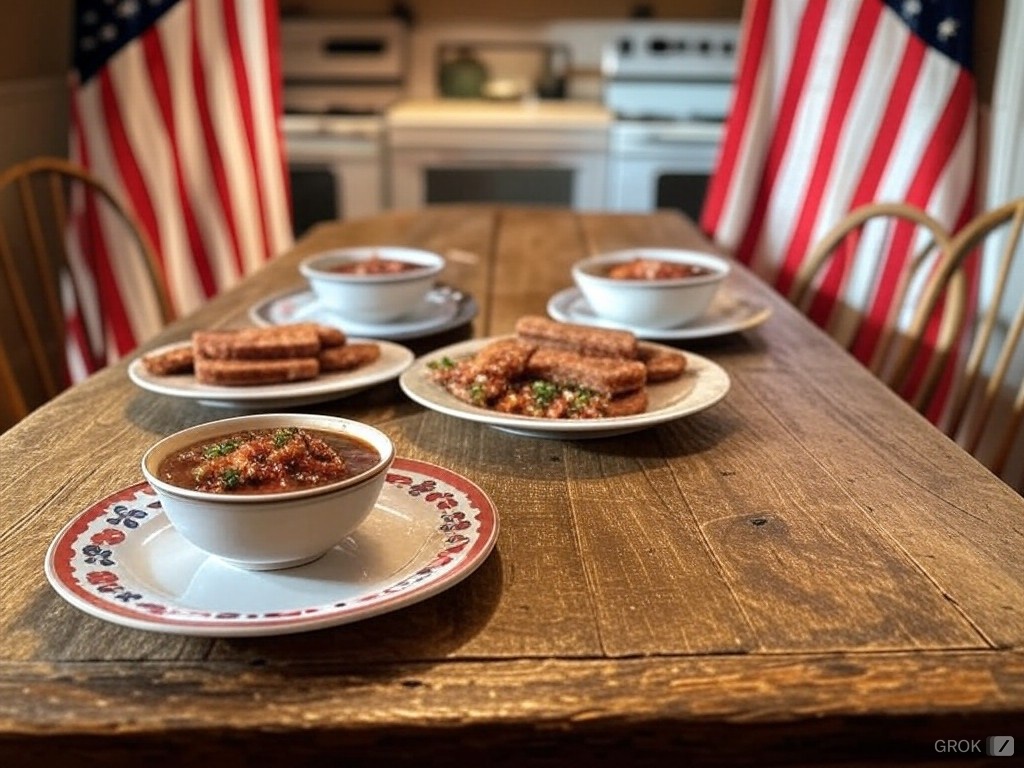
Depression-Era Navy Bean Soup –
The Soup of Solidarity
Fellow patriots, gather ’round as we unlock the secrets of a dish that carried our nation through its darkest hours. Navy bean soup isn’t just a meal – it’s a testament to American resilience served in the Senate dining room every day since the early 20th century14 [24].
Ingredients List:
Our ammunition in this culinary battle consists of the following:
- Navy Beans: These hardy warriors are native to the Americas, tough enough to endure severe temperatures15
- Ham Hocks: The backbone of flavor, a tribute to our ancestors’ resourcefulness
- Onions, Carrots, Celery: Our homeland’s harvest, standing united
- Water: Pure and simple, like our forefathers’ values
Method:
- Soak with Patience: Just as our ancestors endured through the Great Depression, these beans need time to prepare for battle. A 2-minute boil followed by an hour of soaking mirrors our forefathers’ patient resolve.
- Simmer with Resolve: Like the communities that banded together during hard times, let these ingredients unite in a slow simmer. During the Depression, soup nights became gathering points where neighbors shared what little they had17.
- Add Flavor with Frugality: Our Depression-era ancestors taught us that creativity trumps scarcity. They transformed simple ingredients into sustaining meals that could feed entire families18.
- Season with Pride: This isn’t just seasoning – it’s our heritage speaking. During WWII, when navy beans were scarce, it caused such an uproar that they were quickly restocked in the Senate kitchen14.
- Cook Until United: Let it simmer until the beans are tender and the flavors meld. This soup gets more flavorful with time, just like our American spirit19.
The Significance:
This isn’t just soup—it symbolizes American unity and resilience. When communities faced hardship, they came together over pots of bean soup, sharing stories and strength17. The simplicity of navy bean soup reflects how Americans made do with what they had, turning essential ingredients into meals that could sustain a nation18.
Remember, patriots – this soup dates back to the 1800s19, carrying the weight of American history in every spoonful. It’s not just about filling bellies; it’s about preserving the spirit of independence that courses through our veins.
WWII Spam and Potato Hash –
The Dish of Determination
Stand at attention, kitchen warriors! While our Navy Bean Soup represents the foundation of American resilience, we’re about to tackle another weapon in our patriot’s arsenal – the legendary WWII Spam Hash. During the war, this dish helped stretch a single can of Spam into five meals20, proving that American ingenuity can multiply our resources when freedom is at stake!
Ingredients List:
- 2 largish potatoes: Our homeland’s sturdy backbone
- 1/4 can of Spam: The meat that sustained our troops
- 1/2 onion: Nature’s flavor amplifier
- Butter/margarine: Our forebears’ golden resource
Method:
Dice with Efficiency: Quarter those potatoes like you’re dividing forces for battle. Boil them until firmly cooked—not too soft, Patriots! We’re building a foundation here, not mashing for surrender20.
Fry with Ferocity: Heat that pan like you’re stoking the fires of liberty! When the butter melts, add your onions and cook them until translucent—just as our ancestors’ vision for freedom was crystal clear21.
Combine with Comradeship: This is where we unite our forces. Those potato chunks and Spam warriors join forces in the pan, creating a united front of flavor. During WWII, this simple combination helped feed families when meat was strictly rationed22.
Season with Steadfastness: Stand firm with your seasonings, patriots! A dash of black pepper and a splash of Worcestershire sauce aren’t just flavors; they’re declarations of independence from bland, processed foods21.
The Moral:
When our nation faced food shortages during WWII, Spam became more than just meat in a can – a symbol of American adaptability. In 1941, when it arrived in Britain, it was warmly welcomed by a population short on beef and lacking variety21. Today, we’re not just cooking hash – we’re preserving the spirit of resourcefulness that carried us through our darkest hours.
Remember, patriots – one can of Spam stretched across five meals20 isn’t just about survival; it’s about showing the world that Americans can thrive on ingenuity and determination. When you prepare this dish, you’re not just making breakfast – you’re carrying forward a legacy of resistance against dependency and waste!
The Patriot’s Kitchen:
Beyond the Recipe
Now, true patriots, let’s arm ourselves with the knowledge that transforms these recipes from mere meals into weapons of resistance! Our emergency food supplies can last up to 25 years when properly stored, proving that preparation isn’t just about tomorrow – it’s about securing our children’s future.
Expert Tips for Patriotic Preparation
Traditional foods aren’t just about taste – they’re about taking control of your family’s destiny. Here’s what every kitchen warrior needs to know:
- Protein becomes critical during crisis situations
- Traditional foods provide superior nutritional density compared to processed alternatives2
- Home-prepared meals strengthen emotional and spiritual well-being
- Local, seasonal ingredients maximize both nutrition and independence3
- Bulk storage of legumes and grains ensures long-term sustainability3
For maximum preparedness, store your patriot provisions in heavy-duty, four-layer packaging4. Breakfast becomes your most crucial meal during emergencies4, so prioritize morning provisions in your stockpile.
Building a Self-Sufficient Community
We’re not just cooking meals; we’re creating a resistance movement. Traditional recipes do more than feed the body – they nourish the soul of our nation. Studies show that when people eat conventional foods alongside modern options, their overall nutrition improves significantly.
Consider this: A single Ready Hour 6-Month Emergency Food Supply provides 1,692 servings4, enough to sustain a Patriot through half a year of crisis. That’s not just food storage—that’s freedom from dependency.
But here’s what the globalists don’t want you to know: Traditional foods meet our culture’s specific health needs. When we gather to prepare these meals, we’re not just cooking—we’re strengthening our interpersonal relationships and mental fortitude2.
Transform your kitchen into a command center of self-reliance. Start with essential dried beans and grains3 storage, then expand to home food preservation methods. Learn to dehydrate meats and produce3 – every skill mastered is another blow against dependency on the industrial food complex.
Remember, patriots: A traditional, self-sufficient kitchen provides food and the means to create first aid remedies and household necessities6. We’re not just preserving recipes but our way of life.
Conclusion:
Eating Like Patriots
Traditional American recipes are our last defense against the processed food invasion threatening our cultural identity. These battle-tested dishes – from Navy Bean Soup to Spam Hash – represent more than mere sustenance. They embody the resourcefulness, determination, and unity that built our great nation.
Patriots who master these recipes gain freedom from corporate food dependency while preserving crucial survival skills. Each time we choose authentic American cooking over processed alternatives, we strike a blow against cultural erosion and strengthen our communities.
Remember, fellow patriots – our forefathers didn’t just survive on these recipes; they thrived. Their culinary wisdom carried us through the Great Depression, World War II, and countless challenges. We must keep these traditions alive, teaching our children the power of self-reliance through home cooking.
Let’s reclaim our kitchens as command centers of resistance. Start today by preparing these heritage recipes, storing essential ingredients, and sharing these skills with your community. Together, we’ll preserve our culinary independence and ensure America’s traditional food wisdom survives for generations.
Call to Action
Rise up, kitchen warriors! The time has come to take our culinary resistance beyond our own homes. Our research shows that community cooking events create lasting bonds that strengthen neighborhoods and preserve cultural heritage1.
Join the Patriot Pantry movement – where traditional American cooking becomes a powerful force for change. Studies reveal that communities build connections far beyond the dining table1 when they cook together. These aren’t just meal prep sessions but training grounds for cultural preservation.
Here’s how you can join the resistance:
- Host monthly “Freedom Feasts” featuring our heritage recipes
- Create neighborhood cooking circles to share traditional techniques
- Organize food preservation workshops
- Partner with local businesses for community events
- Start a recipe-sharing network in your area
The power of community cooking lies in its ability to unite citizens and transcend differences. When we gather to prepare meals like our Navy Bean Soup or Spam Hash, we’re not just cooking – we’re strengthening the fabric of our nation. Research confirms that patriotism is a binding force, uniting citizens and preserving values for future generations5.
Remember, our country was founded as an act of bold resistance9. Whenever we choose to cook together, share our heritage recipes, or teach traditional cooking methods, we exercise our right to preserve our cultural identity. Studies show that food is vital in protecting a nation’s heritage and traditions5.
Take action today! Join local cooking events where neighbors share culinary skills and stories. These gatherings aren’t just about food – they’re about forging connections that often extend beyond the dining table1. By participating, you’re preparing meals and building a network of patriots committed to preserving our culinary heritage.
The time for action is now. Our traditional recipes and cooking methods are under siege from processed food corporations and global influences. But together, we can preserve our heritage, one shared meal at a time.
References
[1] – https://netfork.eu/2023/08/29/the-joy-of-neighborhood-cooking-events/
[3] – https://www.allrecipes.com/article/self-sufficient-kitchen-guide/
[5] – https://fastercapital.com/topics/strengthening-the-bonds.html
[6] – https://becomingtraditional.com/how-to-make-a-traditional-self-sufficient-kitchen/
[7] – https://www.mcgill.ca/cine/research/food/benefits
[8] – https://mealsforunity.org/pages/meals-for-unity-community-fair
[10] – https://eastwest.eu/en/preserving-identity-through-culinary-tradition-and-tourism/
[11] – https://www.ilholocaustmuseum.org/wp-content/uploads/2021/05/Act-of-Art_Cooking_r6.pdf
[12] – https://fabioparasecoli.com/gastronativism-food-as-an-ideological-tool-in-a-globalized-world/
[13] – https://www.slofoodbank.org/food-as-culture/
[14] – https://en.wikipedia.org/wiki/Senate_bean_soup
[15] – https://navyhistory.org/2016/04/chow-navy-bean-soup/
[16] – https://www.thekitchn.com/navy-bean-soup-recipe-23218210
[17] – https://www.littlehouseliving.com/cooking-tips-from-the-great-depression.html
[19] – https://flourchild.com/navy-bean-soup-is-a-traditional-favorite/
[20] – https://the1940sexperiment.com/2009/10/04/spam-hash/
[21] – https://theunconventionalgardener.com/blog/wartime-wednesday-spam-hash/
[22] – https://historydollop.com/2022/08/13/wwii-food-rationing-eggs-in-rice-nests-cheese-muffins-1943/
[23] – Epicurean Adventures – Rentpuntacana. https://rentpuntacana.com/tag/epicurean-adventures
[24] One tradition that keeps us alive is The Martha’s Vineyard Times. https://www.mvtimes.com/2021/01/27/one-tradition-keep-alive/
 Critical Thinking Dispatch
Leave a comment