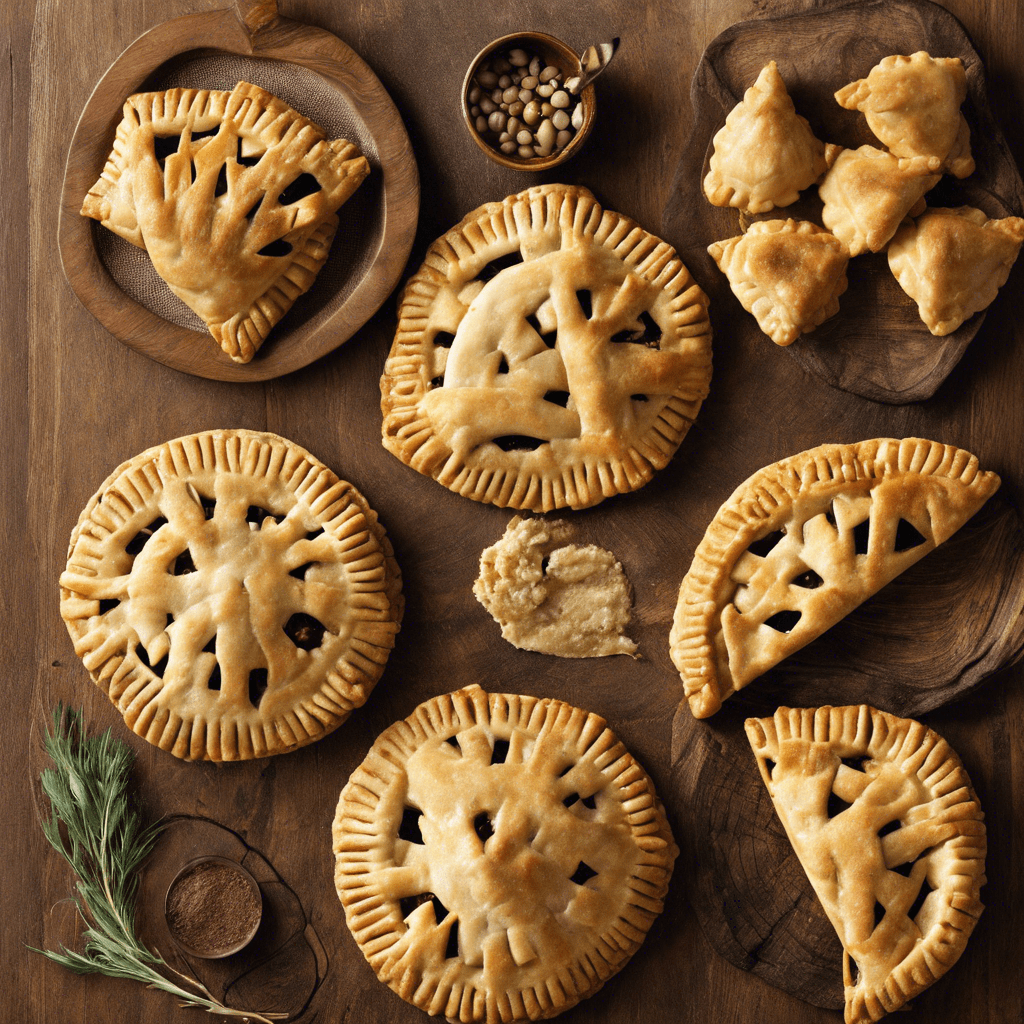
Have you ever bitten into a perfectly flaky, golden-brown pastry only to discover a world of bold Southwestern flavors waiting inside? That’s exactly what happened during my first encounter with Southwestern hand pies at my grandmother’s kitchen in New Mexico.
These portable pockets of joy aren’t just another recipe – they’re a delicious testament to the rich heritage of Southwestern cuisine. We’ve spent years perfecting our hand pie recipe, combining traditional ingredients like spicy chorizo, tender beef, and fresh corn with a buttery, homemade crust that’ll make your mouth water.
Whether you’re a seasoned home cook or just starting your culinary journey, these hand pies offer the perfect blend of comfort and adventure. They’re more than just a meal – they’re a celebration of flavors that have been passed down through generations of Southwestern families.
Ready to create your own batch of these irresistible hand pies? Let’s dive into this flavor-packed journey together!
The Essence of Southwestern Cuisine
Let me take you on a journey through the heart of Southwestern cuisine, where centuries of cultural fusion have created something truly special. We’re exploring a culinary tradition that’s as rich and diverse as the landscape itself.
The story of Southwestern flavors begins with the indigenous peoples who first cultivated the “three sisters” – corn, squash, and beans1. When Spanish settlers arrived in the 16th century, they brought transformative ingredients like cattle, pigs, and new spices that would forever change the region’s culinary landscape11. This beautiful blend of Native American wisdom and Spanish influence laid the foundation for what we now cherish as Southwestern cuisine.
In our hand pies, we’re celebrating this heritage through carefully selected ingredients. Let’s start with the stars of our filling – beef and chorizo. I always recommend using 80/20 ground beef for the perfect balance of flavor and juiciness12. When it comes to chorizo, we’re using Mexican-style chorizo, known for its vibrant red hue and smoky chile notes12.
The backbone of Southwestern cooking lies in its beans. Black and pinto beans aren’t just filling – they’re nutritional powerhouses. Pinto beans, along with chiles, are actually New Mexico’s official state vegetables1. These beans provide approximately 7 grams of protein per ½ cup serving and meet about 18% of an adult woman’s daily iron needs13.
When it comes to vegetables, we’re staying true to tradition. Corn, peppers, and potatoes form the holy trinity of Southwestern produce. The Hatch chile, grown in New Mexico’s Hatch Valley, is particularly special – it’s become the cornerstone of Southwestern seasoning1.
Here are the essential spices that give our hand pies their authentic Southwestern character:
- Chili powder (a blend of ground ancho chilies, cumin, oregano, and black pepper)
- Cumin (brought by Spanish immigrants from the Canary Islands)
- Oregano (with its pungent, robust fragrance)
- Paprika
- Cayenne (for that signature Southwestern heat)
I’ve found that these ingredients, when combined thoughtfully, create hand pies that aren’t just meals – they’re edible history, telling the story of the American Southwest in every delicious bite.
Mastering the Dough
The secret to creating perfect Southwestern hand pies lies in mastering the dough first. I’ve learned through countless attempts that achieving that perfect, flaky crust isn’t just about following a recipe – it’s about understanding the science behind each ingredient.
Ingredients: Detailed list with notes on why each component matters
Let me share my tried-and-true ingredient list that creates the most tender, flaky crust:
- 2½ cups all-purpose flour – The foundation of our dough14
- 1 tablespoon white vinegar – My secret weapon for tenderness15
- ½ cup each of cold butter and shortening – This combination gives us the best of both worlds: butter for flavor and shortening for flakiness15
- ½ cup ice-cold water – Temperature is crucial here15
- 1 teaspoon sugar and ½ teaspoon salt – For perfect flavor balance14
Step-by-Step Dough Preparation
- Start Cold: Keep all ingredients chilled. I even pop my flour in the freezer for 15 minutes before starting.
- Mix Dry Ingredients: Pulse flour, sugar, and salt in a food processor14.
- Add Fats: Cut in the cold butter and shortening until your mixture looks like coarse sand6.
- Add Liquid: Drizzle in ice water mixed with vinegar, pulsing just until the dough comes together14.
- Chill: Form into disks, wrap in plastic, and refrigerate for at least one hour14.
Expert Tip: How to achieve the perfect consistency
The key to perfect hand pie dough lies in the moisture level. Your dough should feel slightly crumbly but hold together when squeezed14. If it’s too dry, add water one tablespoon at a time16. Here’s my favorite trick: freeze and grate your butter using a box grater – this creates perfect, evenly distributed butter pieces17.
When rolling out your dough, look for a marbled appearance with visible butter pieces – these create those heavenly flaky layers we’re after. If your dough cracks while rolling, let it rest at room temperature for about 10 minutes16. Remember, we’re not aiming for perfection here; those little imperfections make each hand pie uniquely yours.
For extra insurance against tough crust, I’ve discovered that vinegar does double duty – it not only tenderizes the dough but also prevents it from oxidizing and turning gray18. This is especially important when making larger batches for family gatherings or when you want to prep ahead.
Crafting the Filling
Creating the perfect filling for our Southwestern hand pies is where the magic truly happens in my kitchen. After mastering the dough, I’ve discovered that the filling is where we can really showcase those bold, authentic flavors that make these pies irresistible.
Ingredient Prep: Tips on prepping meat, beans, and vegetables for optimal flavor and texture
I always start by melting butter in my cast-iron skillet over medium-high heat19. For the meat preparation, I’ve found that cooking it first allows the flavors to develop fully. When working with vegetables, I dice my onions, bell peppers, and celery uniformly – about ½ cup each19. This ensures even cooking and helps create that perfect texture we’re after.
For the beans, I drain and rinse them thoroughly before adding to the mixture. This step is crucial as it helps control the moisture level in our filling, preventing any soggy bottom crusts.
Cooking Process: Detailed instructions on how to cook and season the filling
Here’s my tried-and-true cooking sequence:
- Melt butter and bloom your spices (chili powder, cumin, and smoked paprika)20
- Add flour and cook for 30-60 seconds to create a roux20
- Incorporate vegetables and sauté until softened (about 5 minutes)20
- Add beans, corn, and green chiles20
- Pour in stock and let it thicken slightly20
- Mix in your pre-cooked meats last20
Balancing Flavors: Techniques for ensuring each pie is a harmonious blend of all elements
The secret to perfect flavor balance lies in understanding how different tastes work together. I’ve learned that salt enhances the depth and complexity of other flavors as they meld21. When adjusting seasonings, remember these key principles:
- If your filling is too salty, balance it with a touch of sweetness or acid21
- For excessive heat, add a bit of fat to mellow it out21
- When the mixture tastes flat, a splash of acid (like lime juice) can brighten all the flavors21
I always do a final taste test before filling the pies. The mixture should be thick enough to hold its shape – think of a hearty stew consistency19. For each pie, I use about 2 tablespoons of filling, ensuring it’s not too hot when assembling22. This amount gives us that perfect filling-to-crust ratio that makes these hand pies so satisfying.
Remember, the filling should be slightly cooler than room temperature before assembling the pies22. This prevents the dough from melting and helps maintain those beautiful, flaky layers we worked so hard to create.
Assembly and Baking
Now comes my favorite part of hand pie making – bringing all our elements together! After perfecting our dough and preparing that flavorful Southwestern filling, it’s time to create these portable treasures.
Assembling Pies: Step-by-step guide from rolling out the dough to sealing the pies
- Roll each dough ball into a circle about 5 inches in diameter on a floured surface23
- Place about 1/4 cup of filling in the center of each circle23
- Fold the dough in half over the filling, leaving about 1 inch of dough visible below24
- Dampen the edges with egg wash and press firmly to seal25
- Crimp edges with a fork to ensure a tight seal23
Baking: Temperature, time, and how to know when they’re done
I’ve discovered that the perfect baking sequence starts at 400°F for 15 minutes, then lowering to 350°F for another 10-15 minutes23. This two-temperature approach ensures our pies develop that gorgeous golden crust while cooking thoroughly inside.
Visual Cues and Tips: When and how to apply an egg wash, creating vent holes
For that picture-perfect finish, I always prepare my egg wash by whisking one egg with a teaspoon of water26. Here are my tried-and-true finishing touches:
- Cut 3 small vent holes in the top of each pie before baking – this prevents filling from bursting out27
- Apply egg wash evenly using a pastry brush, avoiding thick layers that can create burnt patches28
- For extra golden color, consider a double layer of egg wash – one at the start and another 10 minutes before finishing28
I’ve learned that proper venting is crucial – these openings allow steam to escape, preventing our beautiful pies from rupturing27. Remember, steam can increase up to 1,500 times in volume during baking27, so those little vent holes are more than just decorative!
For best results, I always refrigerate my assembled pies for 15-20 minutes before baking26. This extra chill time helps maintain those flaky layers we worked so hard to create. When they’re done, you’ll see a beautiful golden-brown crust and just a hint of filling bubbling through the vents24.
Cultural Narrative
Sitting in my grandmother’s kitchen, watching her crimp the edges of hand pies, I learned that these weren’t just meals – they were stories folded into pockets of dough. The kitchen, as she always said, was “so much more than a place to prepare food”29. It was where our family gathered, where daily events were discussed, and where celebrations and sorrows were shared.
Stories from the Southwest: How hand pies fit into the cultural fabric
In Southwestern homes, hand pies have always been more than convenient meals. They represent the heart of family traditions, often made with leftover ingredients transformed into something special10. I remember my grandmother’s words about her “hip pocket pies” – simple treats that brought the whole family together, from kids to grandkids, sisters to cousins29.
What makes these hand pies truly special is their ability to adapt while maintaining their soul. In our family gatherings, we’ve seen them evolve from traditional meat-filled pastries to creative versions featuring everything from spicy chorizo to vegetarian black bean fillings. They’re particularly beloved during festivals and family reunions, where everyone brings their own variation, creating a delicious tapestry of family history on the dining table.
Fusion and Evolution: How Southwestern hand pies reflect cultural fusion and adaptation over time
The beauty of Southwestern hand pies lies in their multicultural heritage. Like many beloved foods, they don’t have a clear origin story30. Instead, they’re a testament to the beautiful fusion of cultures that defines Southwestern cuisine. Almost every culture has its version of stuffed dough with savory filling31, and our Southwestern hand pies carry influences from multiple traditions.
What fascinates me most is how these humble pies tell the story of working-class ingenuity. Historically, hand pies were associated with laborers and families who needed portable, filling meals31. The practicality of these pies – being both hearty and convenient to carry – made them a staple in working-class households across different cultures.
Today, we see this evolution continuing in modern kitchens. While maintaining traditional elements, contemporary versions might incorporate innovative fillings or creative glazes30. I’ve seen everything from classic meat and potato combinations to fusion versions that blend Southwestern spices with unexpected ingredients. Each variation adds another chapter to the ongoing story of these beloved hand pies.
The plaque that hung in my grandmother’s kitchen, now proudly displayed in mine, reads: “No matter where I serve my guests, they seem to like my kitchen best”29. This simple saying captures the essence of what these hand pies represent – not just food, but a tradition of hospitality, family, and love passed down through generations.
Variations and Adaptations
The beauty of these Southwestern hand pies lies in their incredible adaptability. I’ve spent years experimenting with different variations, and I’m excited to share how these traditional treats can be modified to suit various dietary needs while maintaining their authentic charm.
Dietary Adjustments: Gluten-free, vegetarian, or vegan options
For my gluten-sensitive friends, I’ve discovered that creating gluten-free hand pies isn’t just possible – it’s delicious! Here’s my tested gluten-free dough combination:
- All-purpose gluten-free flour blend
- Xanthan gum (if not included in your flour blend)
- Cold vegan butter for dairy-free needs32
- Apple cider vinegar for tenderness
For those seeking plant-based options, I’ve found that black beans make an incredible filling base33. My vegetarian version has become a crowd favorite at potlucks, featuring:
- Mexican-spiced black beans
- Roasted corn and peppers
- Manchego cheese (or vegan alternatives)34
Pro Tip: When making dairy-free versions, I’ve had great success using plant-based butter – particularly cashew-based options that maintain that creamy consistency we love32.
Customization: Encouragement to experiment with local or seasonal ingredients
One of the most exciting aspects of hand pies is their versatility. As I always say, there’s hardly a meal that couldn’t be transformed into a hand pie6. The possibilities are truly endless, depending on what’s in season or available locally.
For freezer-friendly preparation, here’s my tried-and-true method:
- Assemble pies completely but don’t bake
- Freeze them individually on a baking sheet
- Once frozen, transfer to freezer bags
- Bake straight from frozen when needed34
I’ve found that these pies are perfect for any occasion – from casual family dinners to festive gatherings35. You can even get creative with shapes, making stars for July 4th or hearts for Valentine’s Day35.
When experimenting with fillings, remember that balance is key. If you’re adding heat through jalapeños or cayenne, consider tempering it with cooling elements34. For those who love extra spice, I’ve discovered that adding pickled jalapeños or a dash of cayenne can really amp up the Southwestern flair33.
Storage Tip: If you’re making these ahead, they’ll keep beautifully in the freezer, and when reheated in a pan over the stove, they’re almost as good as fresh out of the oven36.
Remember, while we’re honoring traditional Southwestern flavors, don’t be afraid to make these pies your own. Whether you’re using store-bought pie crusts to save time37 or crafting everything from scratch, each variation adds to the rich tapestry of this beloved dish.
Pro Tips for Perfection
After perfecting our Southwestern hand pies, let’s talk about keeping them fresh and serving them with style. I’ve discovered some foolproof methods through years of making these delightful treats for family gatherings and potlucks.
Storing and Reheating: How to keep pies fresh or reheat them to maintain quality
Let me share my tested storage methods that keep these hand pies tasting fresh. For immediate enjoyment, they’ll stay perfect at room temperature for up to 2 days5. If you’re planning ahead, pop them in the refrigerator where they’ll keep for up to 3 days5.
For longer storage, here’s my freezer method that’s never failed me:
- Cool pies completely
- Place in an airtight container
- Store in freezer (they’ll last up to 3 months)2
When it’s time to reheat, I’ve found these methods work best:
For frozen pies:
- Thaw overnight in refrigerator
- Preheat oven to 400°F
- Bake for 15-20 minutes2
For refrigerated pies, a quick 10-15 minutes in a 350°F oven works perfectly5. If you’re in a hurry, 30-40 seconds in the microwave will do the trick9, though you might sacrifice some crispiness.
Presentation: Ideas for serving, including garnishes and side dishes
I love making these hand pies shine on the plate. For a true Southwestern presentation, I serve them with a dollop of sour cream and fresh guacamole9. These accompaniments not only add visual appeal but also complement the warm, spicy filling perfectly.
For family-style serving, I arrange the pies on a rustic wooden board, garnished with:
- Fresh cilantro sprigs
- Lime wedges
- Colorful salsa varieties10
Pro Tip: Let the pies rest for 5-10 minutes after reheating9. This brief pause allows the flavors to settle and prevents any burnt tongues!
For a complete meal, I pair these hand pies with a spicy green salad. The fresh, crisp greens provide a perfect contrast to the rich, flaky pies4. When hosting larger gatherings, I’ve found that setting up a “garnish station” lets guests customize their pies, making the experience more interactive and enjoyable.
Remember, if you notice your pies browning too quickly during reheating, simply cover them loosely with foil4. This little trick has saved many a hand pie in my kitchen!
FAQ
Let’s tackle some of the most common questions I receive about crafting these delicious Southwestern hand pies. After years of teaching this recipe, I’ve gathered the most helpful solutions to your burning questions.
Common questions about hand pie making, Southwestern cuisine, or ingredient substitutions
Q: How do I prevent my hand pies from leaking during baking? I’ve found three crucial steps that ensure sealed pies: avoid overfilling, properly seal edges with egg wash, and always create vent holes in the top6. Remember to dampen the crust edges with egg wash and press firmly with a fork for that perfect seal.
Q: What are the best filling alternatives for these hand pies? While our traditional recipe uses beef and chorizo, I’ve discovered endless possibilities. Apple and blueberry work beautifully for sweet versions, while chicken pot pie filling, creamy mushrooms, or even ham and cheese make excellent savory alternatives6. For vegetarian options, I love using black beans and corn.
Q: Can I make these ahead and freeze them? Absolutely! After assembling your pies, freeze them solid on a baking sheet. Once frozen, transfer them to a freezer bag or airtight container7. I recommend placing parchment paper between layers to prevent sticking.
Q: What’s the best dough to use for hand pies? In my experience, Pâte Brisée works wonderfully because it’s not too sweet and has a finer, stronger texture than traditional pie dough6. It’s perfect for both sweet and savory fillings.
Q: Help! My pastry turned out tough. What went wrong? This usually happens for several reasons7:
- Overmixing the dough
- Using too much water
- Not keeping the butter cold enough
- Oven temperature being too low
Q: Can I substitute ingredients in the traditional recipe? Yes! Here are my tested substitutions:
- For wine in recipes: Use equal amounts of apple juice or broth3
- For fresh herbs: Use half the amount of dried herbs3
- For sugar: Light agave syrup (use 2/3 cup for 1 cup of sugar)3
Q: What’s the origin of these hand pies? While our Southwestern version has its own character, hand pies (or empanadas) trace their roots back to Spain in the 1500s1. Spanish colonizers introduced them throughout Latin America, leading to the wonderful variations we enjoy today.
Q: My pies have a large gap between the filling and crust. How can I fix this? This is a common issue I’ve encountered. The key is balancing your filling amount – you want enough to create a satisfying pie but not so much that it leaks. I recommend using about 2 tablespoons of cooled filling per pie6.
Remember, like any cherished recipe, perfecting these Southwestern hand pies takes practice. Each time you make them, you’ll discover new techniques and develop your own special touches that make them uniquely yours.
Conclusion
These Southwestern hand pies represent more than just a recipe – they tell stories of family gatherings, cultural heritage, and culinary adventure. Through countless hours in my kitchen perfecting these pies, I’ve discovered that mastering the flaky dough, crafting the perfect filling, and understanding proper assembly techniques creates something truly special.
My grandmother’s wisdom rings true – food brings people together. Whether you’re making traditional beef and chorizo filling or experimenting with vegetarian options, these hand pies offer endless possibilities for creativity while honoring Southwestern traditions.
Remember, great hand pies come from attention to detail – keeping ingredients cold, sealing edges properly, and allowing time for flavors to develop. Store them carefully, reheat them gently, and serve them with pride alongside fresh garnishes and complementary sides.
Most importantly, make these hand pies your own. Add your family’s favorite ingredients, adjust the spice levels, or create new traditions. Each time you fold these little pockets of joy, you’re not just cooking – you’re becoming part of a rich culinary legacy that spans generations.
Appendices (Optional)
To help you master these delightful Southwestern hand pies, I’ve compiled a handy reference guide of essential terms and resources that I’ve found invaluable in my cooking journey.
Glossary: Define any cooking terms or unique ingredients used
Here are the key terms you’ll encounter in Southwestern cooking, many of which I use regularly in my kitchen:
Essential Cooking Terms:
- Blanch: A quick cooking technique where food is briefly boiled then plunged into ice water to stop the cooking process
- Braise: To cook meat slowly with a small amount of liquid in a covered pot
- Fold: A gentle mixing technique using a circular motion to preserve air in the mixture
- Knead: To press and stretch dough until smooth, typically using the heels of your hands
Key Southwestern Ingredients:
- Blue Cornmeal: Stone-ground from whole grain blue corn, offering a nuttier flavor than yellow cornmeal1
- Hatch Chiles: Grown in New Mexico’s Hatch Valley, these chiles are milder than jalapeños (1,000 to 8,000 Scoville Heat Units)1
- Three Sisters: The traditional combination of corn, beans, and squash that creates a natural growing ecosystem1
Further Reading: Links or recommendations for diving deeper into Southwestern cuisine
I’ve found these resources particularly helpful in my journey to master Southwestern cooking:
Essential Cookbooks:
- “Cooking the Wild Southwest: Delicious Recipes for Desert Foods” – A treasure trove of authentic recipes using regional ingredients8
- “A Desert Feast” – An fascinating exploration of 4,000 years of Sonoran Desert food history8
- “The New Southwest Cookbook” – Features recipes from renowned Southwest chefs8
Online Resources: For those interested in exploring traditional ingredients, I recommend visiting:
- Desert Harvesters (desertharvesters.org) – An excellent source for authentic Sonoran Desert food knowledge8
- Food Conspiracy Co-op – Where I often find specialized ingredients8
Cultural Learning: To truly understand Southwestern cuisine, I’ve found immense value in studying traditional cooking methods. The “three sisters” approach to growing and cooking corn, beans, and squash has taught me how these ingredients naturally complement each other1. This agricultural wisdom has deeply influenced my approach to creating balanced, authentic hand pie fillings.
Remember, Southwestern cuisine is a living tradition that continues to evolve. While mastering traditional techniques is important, don’t be afraid to experiment with new interpretations while respecting the cultural heritage behind these beloved recipes.
References
[1] – https://www.uc.edu/content/dam/refresh/cont-ed-62/olli/f24-handouts/southwest%20cuisine%20ingredients.pdf
[2] – https://www.goldbelly.com/instructions/the-welle-made-company/hand-pies-choose-your-own-6-pack
[3] – https://www.landolakes.com/kitchen-reference/ingredients-substitutions/
[4] – https://thecozyapron.com/savory-hand-pies/
[5] – https://bakesbybrownsugar.com/cherry-hand-pies/
[6] – https://sugargeekshow.com/recipe/hand-pies/
[7] – https://bakefromscratch.com/pecan-hand-pies-top-5-questions-answered/
[8] – https://savorthesouthwest.blog/category/southwest-food/
[9] – https://www.easyanddelish.com/takeout-southwestern-taco-hand-pies/
[10] – https://www.mashupmom.com/southwest-hand-pies-with-leftover-mashed-potatoes/
[11] – https://www.simplytexan.com/truly-texan/mexican-food-tradition-and-its-impact-on-shaping-tex-mex/
[12] – https://jesspryles.com/mexican-style-beef-chorizo-your-new-fave-breakfast-meat/
[13] – https://nutritionconsabor.com/black-beans-vs-pinto-beans/
[14] – https://www.marthastewart.com/900624/pie-dough
[15] – https://www.tastesoflizzyt.com/grandmas-pie-crust/
[16] – https://thepieacademy.com/the-ultimate-pie-troubleshooting-guide/
[17] – https://www.ellejayathome.com/flakiest-crust-for-hand-pies/
[18] – https://www.kingarthurbaking.com/blog/2018/08/15/vinegar-in-pie-dough
[19] – https://acadianatable.com/2023/11/27/crawfish-hand-pies-2/
[20] – https://www.foodnetwork.com/recipes/jeff-mauro/southwestern-pot-pie-12209559
[21] – https://nouveauraw.com/reference-library/recipe-templates/flavor-balancing-how-to-fix-a-recipe/
[22] – https://www.deepsouthdish.com/2010/12/southern-fried-hand-pies.html
[23] – https://shewearsmanyhats.com/homemade-baked-apple-hand-pies-recipe/
[24] – https://www.allrecipes.com/recipe/234374/apple-hand-pies/
[25] – https://www.completelydelicious.com/tips/seal-hand-pies/
[26] – https://www.smartypantskitchen.com/natchitoches-meat-pie/
[27] – https://www.thespruceeats.com/vents-in-pies-4158870
[28] – https://everydaypie.com/egg-wash/
[29] – https://www.pillsbury.com/recipes/creamy-southwest-stuffed-hip-pocket-pies/92edd46e-fab3-4ee0-a96b-4461a0cdd76b
[30] – https://www.escoffier.edu/blog/baking-pastry/tapping-into-the-delicious-history-of-fried-hand-pies/
[31] – https://myamericanmeltingpot.com/2020/03/30/multicultural-hand-pie-challenge/
[32] – https://www.cottercrunch.com/gluten-free-hand-pies/
[33] – https://quitegoodfood.co.nz/mexican-black-bean-hand-pies/
[34] – https://theoldwomanandthesea.com/vegetarian-mexican-hand-pies-with-avocado-crema/
[35] – https://www.passmesometasty.com/gluten-free-raspberry-hand-pies-with-white-chocolate-drizzle/
[36] – https://myheartbeets.com/gluten-free-paleo-hand-pies/
[37] – https://bakelovegive.com/winter-spice-raspberry-holiday-hand-pies/
 Critical Thinking Dispatch
Leave a comment