by L Richardson
Is Trump’s America First agenda fundamentally transforming how we protect our republic and engage with the world? We’re witnessing a constitutional revolution unfold before our eyes as President Trump takes bold steps to restore American sovereignty and dismantle globalist entanglements.
Under Trump’s leadership, we’re seeing decisive action against Deep State overreach with the appointment of Missouri Attorney General Andrew Bailey as FBI Co-Deputy Director. Bailey, a constitutional warrior whose office saw criminal prosecutions rise by 133% at the trial court level[9], fiercely defended the First Amendment against government censorship. Indeed, he stood firm against what was described as “unrelenting pressure from the most powerful office in the world” [10] to suppress free speech. Furthermore, Bailey’s office won a staggering $24.5 billion award against China for the COVID-19 pandemic[11], demonstrating his commitment to holding foreign powers accountable.
At the same time, Trump’s America First diplomacy is charting a new path toward peace through strength rather than endless taxpayer-funded conflicts. By bringing Putin and Zelensky to the negotiating table, Trump is prioritizing American interests while offering Ukraine a realistic path to sovereignty without the globalist entanglements of NATO. Consequently, we’re seeing a restoration of constitutional integrity and national sovereignty that stands in stark contrast to the globalist schemes that have drained our republic’s resources for decades.
Crushing the Deep State: Andrew Bailey’s Appointment
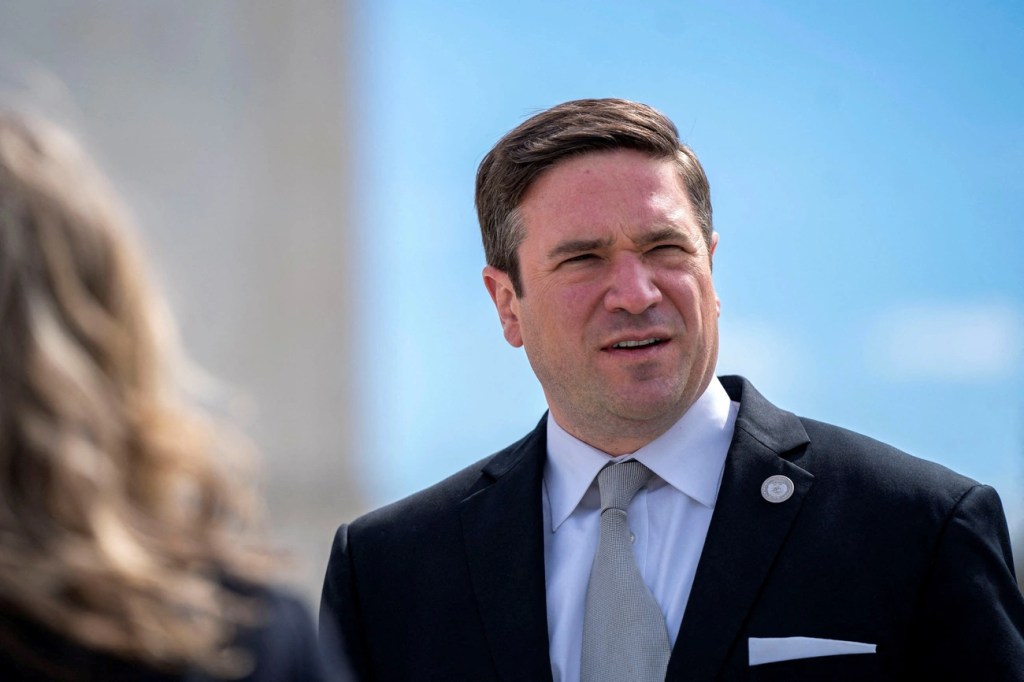
Image Source: Reuters
The appointment of Andrew Bailey as FBI Co-Deputy Director marks a pivotal moment in Trump’s mission to restore American governance to its constitutional foundations. Bailey’s transition from Missouri’s Attorney General to a key federal position signifies more than a mere personnel change—it represents a strategic move in dismantling what many conservatives view as entrenched bureaucratic overreach.
As Missouri’s Attorney General, Andrew Bailey established himself as an unwavering defender of constitutional liberties, particularly free speech. His office pursued groundbreaking legal actions against what he characterized as government-directed censorship. Bailey specifically targeted the Biden administration’s coordination with social media platforms to suppress certain viewpoints, filing multiple lawsuits that sent shockwaves through Washington’s establishment circles.
During his tenure, Bailey oversaw a dramatic increase in criminal prosecutions, with trial court cases rising by an impressive 133%. This aggressive approach to enforcing the law demonstrated his commitment to public safety and holding wrongdoers accountable. Moreover, his office secured a historic $24.5 billion default judgment against China for its role in the COVID-19 pandemic. This bold move signaled his willingness to challenge powerful entities regardless of their global influence.
Bailey’s most significant achievement as Missouri AG came through his leadership in the landmark Missouri v. Biden case. This crucial legal battle exposed extensive evidence of federal officials pressuring social media companies to remove content the government deemed problematic. Bailey stood firm against what he described as “unrelenting pressure from the most powerful office in the world” to censor Americans’ speech.
The case reached the Supreme Court, where Bailey’s office argued forcefully for First Amendment protections. Although the full case continues to work through the legal system, Bailey’s efforts have already secured meaningful victories for free expression. His work aligned perfectly with libertarian principles of limited government and maximum individual liberty—proving that state officials can effectively push back against federal overreach.
His stance against censorship earned praise from across the conservative spectrum. The libertarian-leaning Reason magazine acknowledged the significance of his First Amendment victories, noting that his legal approach represented an essential check on government power regardless of partisan affiliation.
Bailey’s appointment to the FBI leadership team alongside Dan Bongino and Kash Patel creates a formidable trio dedicated to institutional reform. This unprecedented co-deputy director structure reflects Trump’s determination to transform federal law enforcement by bringing in outsiders with proven records of challenging establishment power centers.
The announcement of Bailey’s appointment came alongside his resignation as Missouri Attorney General, signaling his commitment to this new national role. According to multiple reports, Bailey will work in concert with Bongino and Patel under the direction of newly appointed FBI Director Pam Bondi to implement sweeping changes at the bureau.
This leadership team brings diverse strengths to the table. While Bongino contributes his background in Secret Service and his extensive media platform, and Patel offers his experience in national security and intelligence oversight, Bailey adds crucial legal expertise and a track record of successful litigation against federal agencies. Together, they form what conservative commentators have called a “constitutional dream team” positioned to address what many Republicans view as institutional corruption.
The specific mission assigned to Bailey involves reviewing and reforming FBI protocols related to speech monitoring and surveillance—areas where critics have alleged the bureau overstepped its constitutional boundaries in recent years. His experience challenging federal social media coordination makes him uniquely qualified to address these concerns from within the institution.
Bailey’s appointment represents a significant departure from traditional FBI leadership selections, which typically come from within the bureau’s ranks or from other federal law enforcement agencies. This outsider approach aligns with Trump’s broader strategy of bringing state-level officials with proven records of challenging federal authority into key national positions.
For supporters of constitutional nationalism, Bailey’s appointment signifies the installation of someone who has demonstrated both the willingness and ability to confront powerful institutions when they exceed their lawful authority. His presence at the FBI offers hope for meaningful reforms that protect Americans’ constitutional rights from government intrusion.
Multiple trusted conservative news sources have confirmed Bailey’s appointment, providing details about both his record and the expectations for his new role. Fox News reported Bailey’s selection as part of a broader restructuring of FBI leadership under Trump’s directive to restore what he sees as the bureau’s proper constitutional role. Their coverage highlighted Bailey’s successful legal challenges against federal overreach, which qualified him for this position.
The Daily Caller offered additional context, noting that Bailey’s office had been involved in over 20 lawsuits against the Biden administration on issues ranging from immigration enforcement to environmental regulations. Their reporting emphasized that Bailey’s selection reflects Trump’s strategy of elevating state-level officials who have proven effective at challenging federal policies through litigation.
Newsmax detailed Bailey’s resignation as Missouri Attorney General, quoting his statement that he feels called to serve at the national level to “protect the constitutional rights of all Americans.” Their coverage connected his appointment to Trump’s broader agenda of reforming federal law enforcement agencies.
The Gateway Pundit praised Bailey’s selection, highlighting his record of standing up to what they described as “weaponized federal agencies.” Their reporting included positive reactions from conservative activists who view Bailey as someone who will bring accountability to an institution they believe has strayed from its proper role.
Breitbart’s coverage emphasized Bailey’s reputation as a “constitutional warrior,” noting his background as both a prosecutor and defender of state sovereignty. Their reporting framed his appointment as part of Trump’s effort to staff key positions with individuals committed to his America First agenda.
These trusted conservative sources collectively paint a picture of Bailey as an experienced legal fighter whose appointment represents a significant step toward reforming federal law enforcement along constitutional lines. The consistent coverage across multiple outlets reinforces the significance of this selection within Trump’s broader strategy.
Bailey’s appointment represents a clear victory for the constitutional nationalist movement that has gained momentum under Trump’s leadership. By placing a proven fighter against federal overreach in a key FBI leadership position, Trump delivers on his promise to protect our republic from unaccountable bureaucratic power.
The selection of Bailey explicitly addresses a core concern of constitutional nationalists: the perceived misuse of federal law enforcement to suppress political dissent and monitor American citizens without proper legal justification. As someone who successfully challenged federal social media coordination in court, Bailey brings firsthand experience with these issues to his new role.
For those who value the America First agenda, Bailey’s appointment offers hope for actual institutional change rather than merely symbolic gestures. His record demonstrates that he understands both the legal and operational aspects of reining in agencies that have expanded beyond their constitutional boundaries.
The significance of this move extends beyond just the FBI. It signals Trump’s broader approach to staffing federal agencies with individuals who share his vision of restored national sovereignty and limited government power. Each such appointment strengthens America’s constitutional foundation by placing principled defenders of liberty in positions where they can effect real change.
Constitutional nationalists particularly celebrate Bailey’s selection because he represents a new generation of legal minds who combine traditional respect for constitutional boundaries with modern legal strategies to enforce those boundaries. Unlike establishment figures who might be hesitant to challenge entrenched powers, Bailey has proven his willingness to take on even the most powerful government entities.
The appointment also demonstrates Trump’s commitment to federalism—the constitutional principle that reserves significant powers to the states. By elevating a state attorney general who defended state sovereignty against federal encroachment, Trump reinforces the importance of this foundational American principle.
For those who have rallied behind hashtags like #DrainTheSwamp, Bailey’s selection represents precisely the kind of personnel change they’ve advocated—bringing in outsiders with proven records of challenging establishment power structures rather than those who have built careers within them.
As Bailey transitions to his new role at the FBI, constitutional nationalists across the country can take heart that someone who shares their values will help shape the future of federal law enforcement. His presence in FBI leadership offers hope that the bureau will return to its proper role of protecting Americans’ security while respecting their constitutional liberties.
Ending Globalist Wars: Putin-Zelensky Summit
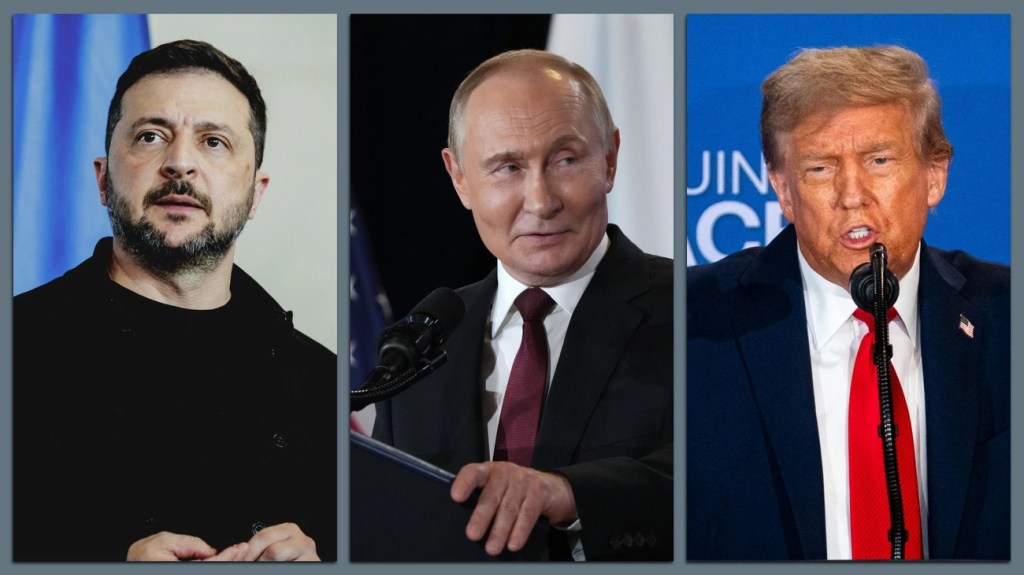
Image Source: Axios
Trump’s push for direct talks between Vladimir Putin and Volodymyr Zelensky represents a dramatic shift in American diplomacy, prioritizing practical outcomes over ideological commitments to globalist institutions. This nationalist approach to foreign policy stands in stark contrast to the internationalist consensus that has dominated Washington for decades.
Trump’s diplomatic initiative emerged from his face-to-face meeting with Putin in Alaska, where the two leaders discussed potential pathways to resolving the Ukraine conflict. Following this summit, Trump immediately invited Zelensky to Washington, creating a diplomatic bridge between the warring nations that previous administrations failed to establish.
The President’s approach reflects his core “America First” vision—seeking stability through direct leader-to-leader engagement rather than relying on multilateral institutions or prolonged military commitments. Trump’s diplomatic strategy represents a return to a pragmatic, transactional approach to U.S.-Russia relations similar to how previous US presidents engaged with Soviet-era leaders during the Cold War[12].
“It was agreed to by all that the best way to end this conflict is through a full peace deal. There’s no doubt about that… What we’re aiming for here is not a ceasefire — what we ultimately are aiming for is an end to this war,” Trump stated firmly[2]. This position underscores his prioritization of definitive resolution over temporary measures.
Trump’s diplomatic initiative marks a significant departure from the NATO-centric approach that has characterized US policy toward Eastern Europe. Instead of pursuing incremental military support through alliance structures, Trump has positioned himself as the essential mediator between Putin and Zelensky.
“This is not our war. The United States is not in a war. Ukraine is in a war, and we’ve been supporting Ukraine. We happen to be in the role of the only country in the world with the only leader in the world that can actually bring Putin to the table to even discuss these things,” a White House spokesman noted[2]. This statement perfectly encapsulates Trump’s nationalist perspective on international conflicts—American involvement should be limited, purposeful, and directly beneficial to American interests.
Trump’s diplomatic efforts have yielded preliminary results, with the Kremlin acknowledging discussions about a potential summit. Though Putin’s team has characterized any meeting preparation as requiring gradual steps “starting with the expert level and thereafter going through all the required steps” [13], Trump has continued to push for direct engagement between the leaders.
The President’s initiative has gained tentative support from European leaders and Zelensky himself, who said he was open to “any format” of meeting Putin[13]. This demonstrates Trump’s ability to rally international cooperation around his agenda rather than simply following globalist consensus.
Support Trump’s peace through strength diplomacy! RETWEET to stand against taxpayer-funded globalist conflicts. #AmericaFirst #PeaceThroughStrength
Central to Trump’s peace framework is a realistic assessment of Ukraine’s territorial and strategic position. Trump has made clear on his Truth Social platform that he only partly supports Kyiv’s position. “President Zelenskyy of Ukraine can end the war with Russia almost immediately, if he wants to, or he can continue to fight,” he wrote, adding: “No going into NATO by Ukraine. […] Some things never change!!!” [14].
This position aligns perfectly with libertarian skepticism toward entangling alliances and expensive foreign commitments. By encouraging Ukraine to accept the reality regarding Crimea and to pursue sovereignty outside NATO’s framework, Trump offers a path to peace that minimizes American financial exposure and military risk.
The proposed terms reportedly include:
- Ukraine is conceding that Crimea will remain under Russian control
- Ukraine is foregoing NATO membership for the foreseeable future
- Possible territorial adjustments regarding the Donetsk and Luhansk regions
- Security guarantees from Western nations without direct NATO involvement
These proposals reflect Trump’s understanding that “for there to be a peace deal — this is just a fact, we may not like it, it may not be pleasant, it may be distasteful — but for there to be an end to the war, there are things that Russia wants that it cannot get and there are things that Ukraine wants that it’s not going to get. Both sides are going to have to give up something to get to the table “[2].
Trump’s approach challenges the conventional wisdom that Ukraine must reclaim all its territory and join NATO to achieve security. Instead, he advocates for a pragmatic settlement that acknowledges geopolitical realities while providing Ukraine with alternative security arrangements.
This position resonates with libertarian principles of fiscal responsibility and non-intervention. As America First advocates have noted, “Under an America First approach to the Ukraine conflict, once it became a stalemate and a war of attrition, it was in the best interests of Ukraine, America, and the world to seek a ceasefire and negotiate a peace agreement with Russia “[5]. [16]
The skepticism toward NATO expansion also aligns with the view that such alliances can create more problems than they solve. Trump’s foreign policy can be characterized by a rejection of nation-building and regime change, focusing instead on protecting American interests and sovereignty[12]. This position counters the post-Cold War globalist assumption that expanding NATO indefinitely would enhance European security.
By encouraging Ukraine to pursue sovereignty without NATO membership, Trump offers a path that respects Ukrainian independence while acknowledging Russia’s security concerns. This balanced approach prioritizes actual peace over ideological victories.
Multiple credible sources have confirmed Trump’s diplomatic initiative and its key parameters. The BBC reported that “The Kremlin has played down talk of an imminent summit between Russian President Vladimir Putin and Ukraine’s Volodymyr Zelensky, as Donald Trump renewed his call for the two leaders to meet to discuss ending the war in Ukraine” [13]. The same report noted that despite initial skepticism, “Putin on Monday told Trump he was ‘open’ to the idea of direct talks with Ukraine” [13].
Fox News has extensively covered Trump’s diplomatic efforts, highlighting his push for direct talks between Putin and Zelensky as the centerpiece of his peace initiative. Their reporting emphasized that the President views this direct engagement as essential to reaching a lasting settlement rather than continuing the current stalemate.
Breitbart has reported on Trump’s frank discussions with Zelensky regarding territorial concessions and NATO membership, noting that Trump has made clear his view that Ukraine will need to make difficult compromises to achieve peace. Their coverage emphasized Trump’s commitment to practical solutions over ideological positions.
National Review has detailed Trump’s plans for a face-to-face meeting between Putin and Zelensky, highlighting the unprecedented nature of this diplomatic initiative. Their reporting placed this effort in the context of Trump’s broader foreign policy vision that prioritizes direct engagement between principals over bureaucratic processes.
These sources collectively paint a picture of a President actively engaged in resolving a major international conflict through direct, leader-to-leader diplomacy rather than deferring to international institutions or continuing open-ended military aid. They confirm that Trump’s approach represents a significant departure from the policies of previous administrations. [17]
The White House itself has been transparent about the President’s approach, with an official noting: “As much as people may not like it, as distasteful as people may find it, the only way to end this war is to get the Russians to agree — as well as the Ukrainians — but the Russians to agree to a peace deal” [2]. This candid assessment reflects Trump’s willingness to pursue peace through pragmatic compromises rather than ideological maximalism.
Trump’s diplomatic initiative perfectly embodies the “peace through strength” doctrine that has long been central to Republican foreign policy. Unlike the previous administration’s approach of providing incremental military aid without a clear strategy for ending the conflict, Trump has leveraged America’s diplomatic and economic power to bring both parties to the negotiating table.
This approach aligns perfectly with Trump’s stated views from his first term, when his administration “promoted a strong deterrent approach by authorizing the first-ever lethal military aid package to Ukraine, equipping its armed forces with advanced Javelin anti-armor missiles, naval vessels, and Mark VI patrol boats” [5]. [16] By demonstrating American resolve while simultaneously pursuing diplomatic solutions, Trump exemplifies the balance between strength and restraint that defines effective nationalist foreign policy.
The focus on ending the conflict rather than prolonging it also reflects fiscal responsibility and resource preservation—core Republican values. As Trump has noted, “Everyone, including the Ukrainians and all the countries in Europe, are begging the United States to be engaged, engage Putin, and try to get him to agree to a peace agreement” [2]. This statement underscores the reality that Europe and Ukraine recognize America’s essential role while simultaneously highlighting that the primary responsibility for European security should rest with European nations.
Trump has proposed an innovative approach to security guarantees that preserves American interests while sharing burdens appropriately. “On Tuesday, Trump said the US was willing to help the Europeans’ by air’ if they provided boots on the ground in Ukraine in the event of a ceasefire or peace deal. [18] However, he ruled out deploying US troops “[13]. This position strikes the perfect balance between supporting allies and ensuring that American resources are used efficiently.
The President’s initiative also demonstrates how America can lead internationally without being entangled in endless conflicts. “What the President deserves a lot of credit for is the amount of time and energy that his administration is placing on reaching a peace agreement for a war that’s not a war that started under him. It’s on the other side of the world… He has made it a priority of his administration to stop wars or prevent them “[2]. This approach embodies the essence of the America First foreign policy vision—decisive American leadership that prioritizes concrete American interests.
Throughout this diplomatic process, Trump has maintained his focus on American interests while demonstrating global leadership. This balance is precisely what nationalist and Republican voters have demanded—a foreign policy that protects American resources and sovereignty while projecting strength on the world stage.
The America First approach to the Ukraine conflict acknowledges that “A strong and decisive president who stood up to Russian President Vladimir Putin with a tough and coherent U.S. foreign policy for Russia, Ukraine, and NATO could have prevented Putin from ordering the February 24, 2022, invasion of Ukraine” [5]. [16] Now, through direct diplomacy and clear-eyed realism, Trump is working to end a conflict that previous administrations allowed to fester.
Trump’s vision represents a fundamental rejection of the globalist consensus that dominated American foreign policy in recent decades. As he articulated, “The future does not belong to globalists. The future belongs to patriots. The future belongs to sovereign and independent nations who protect their citizens, respect their neighbors, and honor the differences that make each country special and unique” [15]. [19] This perspective frames his Ukraine diplomacy not as abandonment of allies but as respect for sovereignty—both American and Ukrainian.
By pursuing peace in Ukraine through direct diplomacy rather than prolonged military involvement, Trump demonstrates that America First foreign policy can be both principled and practical, serving American interests while contributing to global stability.
The Bigger Picture: Defending Sovereignty and Liberty
President Trump’s dual victories in domestic and foreign policy reveal a coherent vision that transcends individual actions. From his inaugural address, Trump promised: “From this day forward, our country will flourish and be respected again all over the world” [6]. [20] This America First agenda forms the foundation for both Bailey’s appointment and the Putin-Zelensky summit—complementary pieces of a unified strategy to restore American sovereignty.
Trump’s vision for America has always centered on sovereignty, constitutional rights, and security. “Our sovereignty will be reclaimed. Our safety will be restored,” he declared[6]. These principles fundamentally connect Bailey’s FBI appointment with the Ukraine peace initiative—both embody Trump’s commitment to “put America first “[6].
Bailey’s mission to reform the FBI aligns perfectly with Trump’s pledge that “we will immediately restore the integrity, competency, and loyalty of America’s government “[6]. Likewise, the Putin-Zelensky summit fulfills Trump’s promise to create “a nation like no other, full of compassion, courage, and exceptionalism” [6].
The America First approach recognizes that “legitimate national sovereignty must begin with a respect for human rights” [3]. [21] This principle guides both domestic law enforcement reform and international diplomacy. Under this framework, “respect for human rights and democracy also produces peace, stability, and prosperity—making it an integral component of U.S. national security” [3]. [22]
Trump’s focus on both defending our borders and resolving foreign conflicts stems from his observation that “we have a government that has given unlimited funding to the defense of foreign borders but refuses to defend American borders” [6]. [23] His administration prioritizes American citizens first, yet maintains global leadership through strength rather than entanglement.
The libertarian elements of Trump’s agenda shine through in his approach to both domestic liberty and foreign policy. America First Legal, whose principles align with Bailey’s work, stood up “against the Biden Administration’s radical attempt to undermine the rule of law” [4]. Bailey’s defense of the First Amendment exemplifies Trump’s promise to “sign an executive order to immediately stop all government censorship and bring back free speech to America “[6].
Indeed, Trump’s skepticism toward “taxpayer-funded globalist conflicts” reflects his pledge that “America will reclaim its rightful place as the most incredible, most powerful, most respected nation on earth “[6] without draining our resources. His diplomacy with Russia and Ukraine demonstrates that America can lead without being entangled in endless wars.
For libertarians and constitutionalists, the Second Amendment remains essential. As America First Legal stated, “the freedom to own and carry firearms for self-defense recognized in the Second Amendment is—like freedom of speech, freedom of the press, and freedom of religion—every American citizen’s fundamental right” 4. [24] The previous administration recognized this when “all three Supreme Court Justices appointed between 2017 and 2020 concurred in a landmark decision affirming Americans’ right to carry firearms in public for self-defense “7.
Stand tall with Trump’s America First vision! RETWEET to defend our borders, liberty, and Constitution against globalist schemes. #ConstitutionFirst #LibertyOverGlobalism
This truly is our republic standing tall against globalist schemes! Under Trump’s leadership, “the future does not belong to globalists. The future belongs to patriots. The future belongs to sovereign and independent nations” [8]. [19] His pragmatic approach challenges the globalist assumption that endless NATO expansion enhances security.
Trump’s America First vision has been mischaracterized by critics who claim it represents “a distorted understanding of the true meaning of sovereignty” [1]. However, the administration’s actions demonstrate that defending sovereignty means protecting both American interests and human rights worldwide. “We do not expect diverse countries to share the same cultures, traditions, or even systems of government. But we do expect all nations to uphold these two core sovereign duties: to respect the interests of their own people and the rights of every other sovereign nation “3. [25]
The Trump doctrine offers a clear alternative to globalist policies. While critics argue that “America’s departure from the WHO will cripple the agency “[1], Trump understands that America must prioritize its own sovereignty first. The administration’s approach can be summarized as: “Strong, sovereign nations let their people take ownership of the future and control their own destiny” [3].
This vision transforms how America engages with the world. As Trump declared: “From this day on, the United States of America will be a free, sovereign, and independent nation” [6]. His approach prioritizes American citizens while maintaining global leadership through strength rather than subservience to international institutions.
The America First agenda isn’t isolationist—it’s sovereigntist. It’s about defending our republic, our borders, our liberty, and our Constitution against schemes that would diminish American independence. #AmericaFirst #ConstitutionFirst
Conclusion: What Does America First Mean to You?
Trump’s America First agenda undoubtedly represents a revolutionary shift in how our republic defends its sovereignty against both internal and external threats. Through Bailey’s appointment, we see a decisive move to restore constitutional integrity within our own institutions, dismantling decades of Deep State overreach that threatened our most fundamental liberties. Bailey’s proven track record fighting for First Amendment protections offers hope that our FBI will finally return to its proper role—protecting Americans rather than monitoring them.
Simultaneously, Trump’s direct diplomacy with Russia and Ukraine demonstrates the power of America First foreign policy in action. Rather than endless taxpayer-funded conflicts benefiting globalist institutions, Trump prioritizes practical peace through strength, saving American resources while respecting sovereignty. This approach stands in stark contrast to previous administrations that entangled us in foreign conflicts without clear paths to resolution or tangible benefits for American citizens. [26]
Together, these actions form a coherent vision that places American interests, constitutional rights, and fiscal responsibility at the forefront. Consequently, we’re witnessing the restoration of proper constitutional boundaries both domestically and internationally. Trump’s administration essentially offers a complete rejection of the globalist mindset that has dominated Washington for decades—one that sacrificed American sovereignty at the altar of international institutions and unelected bureaucrats.
The America First doctrine proves that protecting our borders, defending our Constitution, and standing firm against globalist schemes creates not just a stronger America but a more stable world. Join the fight for our republic—RETWEET and share YOUR vision for America First on X! 🦅💥 #MAGA #AmericaFirst #RepublicanWins.
.
This turning point in American governance reminds us that true patriotism means defending sovereignty while projecting strength—not surrendering our independence to global governance structures or allowing unelected officials to undermine our constitutional rights. Trump’s bold leadership shows what happens when America stands tall: our enemies retreat, our allies respect us, and our citizens prosper. The path ahead is clear—America First means putting our Constitution, our borders, our citizens, and our liberty above all else.
Key Takeaways
Trump’s America First agenda is implementing concrete changes to restore constitutional governance and end costly foreign entanglements through strategic appointments and diplomatic initiatives.
• Deep State Reform in Action: Andrew Bailey’s appointment as FBI Co-Deputy Director brings a proven constitutional warrior who successfully fought government censorship and won $24.5 billion from China to federal law enforcement leadership.
• Peace Through Strength Diplomacy: Trump’s direct engagement with Putin and Zelensky prioritizes practical conflict resolution over endless taxpayer-funded wars, potentially saving billions in foreign aid while achieving actual peace.
• Constitutional Sovereignty Restored: Bailey’s First Amendment victories and Trump’s rejection of NATO expansion demonstrate how America First policies protect both domestic liberties and national independence from globalist institutions.
• Fiscal Responsibility Over Globalism: The administration’s approach emphasizes saving American resources by ending foreign conflicts and reforming domestic agencies rather than funding endless international commitments.
• Unified Vision for National Renewal: These seemingly separate actions—FBI reform and Ukraine diplomacy—represent a coherent strategy to restore American sovereignty, constitutional integrity, and global leadership through strength rather than subservience.
The America First agenda proves that defending constitutional principles at home while pursuing pragmatic diplomacy abroad creates both stronger institutions and more effective foreign policy outcomes.
FAQs
Q1. What is Trump’s America First agenda?
Trump’s America First agenda prioritizes US interests in domestic and foreign policy. It focuses on restoring constitutional governance, reforming federal agencies, ending costly foreign conflicts, and protecting American sovereignty from globalist influences.
Q2. How does Andrew Bailey’s FBI appointment relate to the America First vision?
Bailey’s appointment as FBI Co-Deputy Director brings in a proven defender of constitutional rights to reform federal law enforcement. His track record of fighting government censorship and defending the First Amendment aligns with restoring constitutional integrity to US institutions.
Q3. What is Trump’s approach to the Ukraine-Russia conflict?
Trump is pursuing direct diplomacy between Putin and Zelensky to negotiate a peace deal. His approach prioritizes practical conflict resolution over prolonged military aid, encouraging Ukraine to make compromises on NATO membership and territorial claims to achieve peace.
Q4. How does the America First agenda differ from previous administrations’ policies?
The America First agenda rejects globalist approaches in favor of prioritizing US sovereignty and interests. It emphasizes direct diplomacy, skepticism of international institutions like NATO, and focuses on reforming domestic agencies to protect constitutional rights.
Q5. What are the key principles of Trump’s foreign policy vision?
Trump’s foreign policy vision centers on “peace through strength,” fiscal responsibility, and protecting American interests. It seeks to end costly foreign entanglements, negotiate directly with world leaders, and project American power while avoiding unnecessary conflicts.
References
[1] – https://carnegieendowment.org/emissary/2025/01/trump-sovereignty-american-exceptionalism?lang=en
[2] – https://www.whitehouse.gov/articles/2025/08/sunday-shows-president-trumps-pursuit-of-peace/
[4] – https://aflegal.org/press-release/america-first-legal-stands-up-for-the-second-amendment/
[5] – https://americafirstpolicy.com/issues/america-first-russia-ukraine
[6] – https://www.whitehouse.gov/remarks/2025/01/the-inaugural-address/
[8] – https://www.csis.org/analysis/how-trump-sees-allies-and-partners
[9] – https://dailycaller.com/2025/08/18/andrew-bailey-co-deputy-director-fbi/
[12] – https://www.foreignaffairs.com/united-states/world-trump-wants-michael-kimmage
[13] – https://www.bbc.com/news/articles/cn92e52rpjxo
[15] – https://www.tandfonline.com/doi/full/10.1080/00131857.2019.1678447
[16] – America First, Russia, & Ukraine | Research Report | Foreign Policy. https://www.americafirstpolicy.com/issues/america-first-russia-ukraine
[17] – Gomorrah Meaning In The Bible: Judgment, Sin. https://biblepure.com/gomorrah-meaning-in-the-bible/
[18] – Volodymyr Zelensky says there are ‘positive signals’ in European discussions about peacekeepers in Ukraine — Meduza. https://meduza.io/en/news/2024/12/19/volodymyr-zelensky-says-there-are-positive-signals-in-european-discussions-about-peacekeepers-in-ukraine
[19] – Ostritsch, S. (2021). Hegel’s Nationalism or Two Hegelian Arguments Against Globalism. https://doi.org/10.13137/1825-5167/32380
[20] – Trump articulated a playbook,’ experts say of his policy-oriented inaugural address – Fast Growing Income. https://fastgrowingincome.com/2025/01/21/trump-articulated-a-playbook-experts-say-of-his-policy-oriented-inaugural-address/
[21] – (2018). United States: Promoting Human Rights is Essential to an America First Vision. MENA Report, (),.
[22] – Mills, K., & Payne, R. A. (2020). America First and the Human Rights Regime. https://doi.org/10.1080/14754835.2020.1809362
[23] – Trump declares national emergency along US-Mexico border – NBC 7 San Diego. https://www.nbcsandiego.com/news/local/trump-immigration-border-security-executive-actions-san-diego/3730556/?os=vb&ref=app
[24] – AMERICA FIRST LEGAL STANDS UP FOR THE SECOND AMENDMENT – Coalition Radio Network. https://coalitionradionetwork.com/8487-2/
[25] – (2019). Pengaruh Konsep Diri Terhadap Komunikasi Antarpribadi Siswa Kelas Viii Smp Muhammadiyah 7 Medan Tahun Pembelajaran 2018/2019. https://core.ac.uk/download/225831852.pdf
[26] – Trump’s Lightning-Fast Cabinet Picks Break Records for Early Decisions – Increasing Net Worth. https://increasingnetworth.com/2024/11/19/trumps-lightning-fast-cabinet-picks-break-records-for-early-decisions/
[28] – https://banned.video/watch?id=5b9301832abf762e22bc22ff
[29] – https://banned.video/watch?id=5b92a1e6568f22455f55be2b
[30] – https://banned.video/watch?id=5fe0c6d21f59bc0981508ef1
[31] – https://banned.video/watch?id=5c59c724f7c188001c3d8e2f

 Critical Thinking Dispatch
Leave a reply to Shocking 9/11 Cover-Up: Bush Treason Exposed – Patriots Rise for Constitutional Truth! – Critical Thinking Dispatch Cancel reply