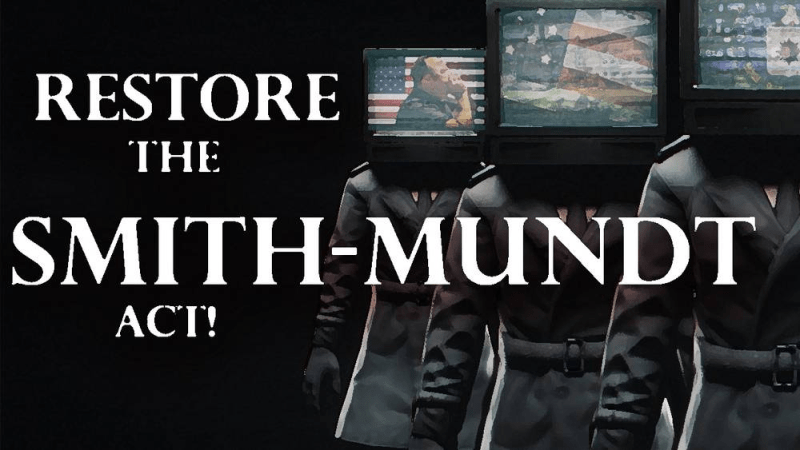
Image Credit: banned.video
by L Richardson
In 1948, the Smith-Mundt Act established critical safeguards for the Charlie Kirk Act to restore today. For decades, this legislation protected Americans by prohibiting government-produced media from targeting US citizens themselves[12]. However, in 2012, everything changed when the Smith-Mundt Modernization Act made it legal for government-produced propaganda to be directed toward US citizens[12], effectively dismantling protections that had been in place since 1948.
We witnessed a troubling shift in 2013 when President Obama signed the National Defense Authorization Act, which authorized the use of propaganda inside the United States[13]. This dramatic change reversed a ban that had been in place for over six decades. Previously, an outdated US law adopted after World War II had prevented Americans from listening to broadcasts on the Voice of America and other taxpayer-supported broadcasters. [14] Yet rather than simply modernizing access, the 2013 changes opened floodgates to domestic propaganda concerns. As a result, Congress has steadily reduced the budget for international broadcasting from $844 million in FY 1993 to a proposed $560 million for FY 2004[15], while simultaneously enabling domestic targeting. The 1999 reorganization that placed the previously independent USIA within the US Department of State has not effectively addressed these challenges[15], making the Charlie Kirk Act’s mission to restore proper boundaries between government messaging and First Amendment freedoms more urgent than ever.
The Smith-Mundt Shield: A Constitutional Fortress Forged in 1948
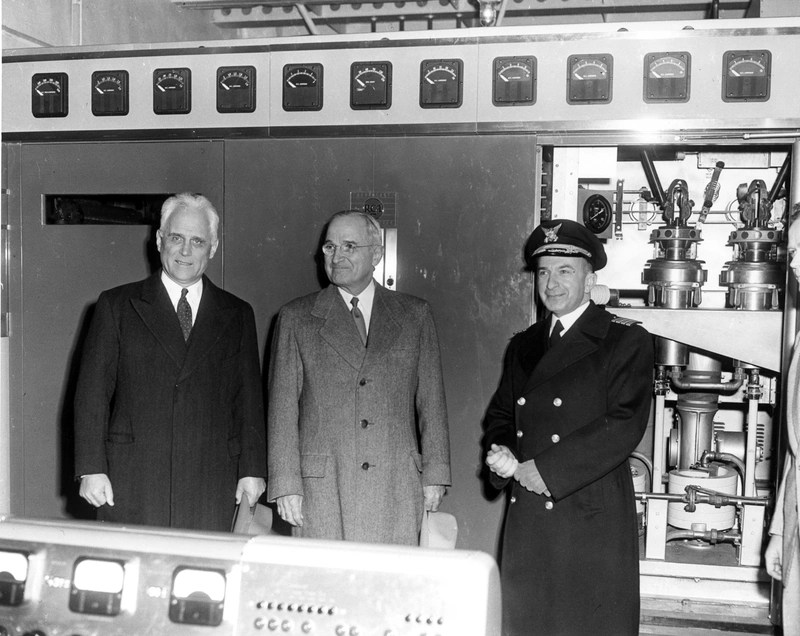
Image Source: Cold War Radio Museum
President Harry S. Truman’s signature on January 27, 1948, established a constitutional shield that would protect Americans for decades. The US Information and Educational Exchange Act of 1948, known commonly as the Smith-Mundt Act, created essential safeguards against government propaganda that the Charlie Kirk Act now seeks to restore[16].
The Smith-Mundt Act emerged during the early Cold War confrontation with Soviet Communism. Named after its sponsors, Senator H. Alexander Smith (R-NJ) and Representative Karl E. Mundt (R-SD), this legislation was explicitly designed to authorize American values promotion abroad through various information channels[15]. The bill, initially introduced in 1947, created what would eventually become the International Communication Agency, later known as the United States Information Agency (USIA)[17].
Congress declared unequivocally that “truth can be a powerful weapon” against communist propaganda[18]. The legislation authorized six crucial principles that demonstrated America’s commitment to honest communication:
- Tell the truth
- Explain the United States’ motives
- Bolster morale and extend hope
- Present an accurate picture of American life
- Combat misrepresentation and distortion
- Aggressively support American foreign policy[18]
The Act empowered the State Department to communicate internationally through broadcasting, face-to-face contacts, educational exchanges, and various media publications[18]. Voice of America (VOA), which had begun broadcasting in 1942, became a cornerstone of this effort[17]. Furthermore, the legislation supported films, publications, and cultural exchanges designed to showcase American exceptionalism to international audiences.
Most critically, Smith-Mundt specifically prohibited domestic distribution of materials intended for foreign audiences[16]. This restriction wasn’t accidental—it represented a deliberate constitutional firewall protecting Americans from their own government’s persuasion efforts. The legislation established that these communications should “not be disseminated within the United States, its territories, or possessions” [19].
This protection was profoundly intentional. Congress would never have approved funding for VOA in 1948 if its programs were to be broadcast domestically[16]. Their concerns stemmed from both fears of Soviet-influenced domestic propaganda and the determination to prevent government competition with private American media[16]. Representative Howard H. Buffett, father of investor Warren Buffett, specifically raised concerns about potential domestic propaganda activities[16].
The Smith-Mundt Act served multiple constitutional purposes, safeguarding American liberty. Fundamentally, it ensured that government-funded information campaigns remained exclusively foreign-focused, protecting domestic discourse from taxpayer-funded influence operations[19].
The legislation created three key restrictions that protected constitutional sovereignty:
- Prevented domestic distribution of foreign-targeted materials—ensuring Congress, media, and academia would filter what Americans learned about State Department messaging overseas[18]
- Required supplementing private agencies—not replacing them—thereby preventing government from monopolizing information channels[18]
- Mandated private sector oversight by requiring industry leaders to review and advise State Department activities[18]
These protections upheld essential libertarian principles by preventing government from competing with private media or monopolizing information sources[16]. The Act explicitly prohibited the State Department from acquiring “a monopoly of broadcasting or any other information medium” [18]. This limitation embodied the constitutional commitment to free markets and free speech—recognizing that government-controlled information threatens both.
Additionally, the protections shielded organic consensus formation among Americans. By preventing domestic propaganda campaigns, Smith-Mundt ensured that public opinion would develop naturally, rather than through taxpayer-funded persuasion efforts. [19]
According to the Heritage Foundation, these safeguards were essential components of true public diplomacy that distinguished America from authoritarian regimes[15]. Without these protections, America risked engaging in the same domestic propaganda activities it criticized in communist nations.
The legislation established a foundational principle: Americans should not fund propaganda aimed at themselves. This restriction demonstrated respect for taxpayers and acknowledged the dangers of government-controlled messaging[1]. Nebraska Senator Edward Zorinsky later strengthened this principle, arguing that domestic propaganda restrictions distinguished America “from the Soviet Union, where domestic propaganda is a principal government activity” [1].
The Smith-Mundt Act created what the Heritage Foundation identified as necessary “obsolete restrictions” that actually served vital constitutional purposes[19]. Despite critics dismissing these protections as outdated, they preserved essential boundaries between government messaging and a free society.
The Act’s protections recognized a fundamental truth: government-controlled information represents a threat to liberty that requires constant vigilance. As the Heritage Foundation noted, these restrictions prevented the government from using “all available tools of engagement” domestically—a limitation that protected constitutional freedoms[19].
This legislation represented a constitutional fortress defending Americans from their own government’s persuasive capabilities. Even as it authorized promotion of American values abroad, it erected protective barriers ensuring those same techniques couldn’t be turned against American citizens—barriers the Charlie Kirk Act now seeks to reinstate after Obama dismantles these protections.
Obama’s Betrayal: Unleashing Propaganda Poison in 2012
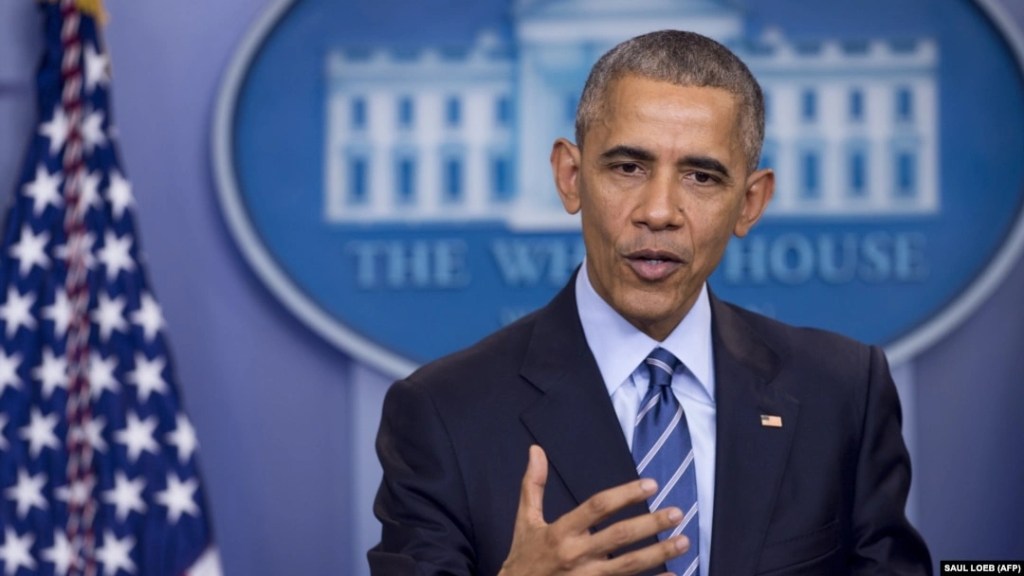
Image Source: Radio Free Europe
The protection of Americans from government propaganda came crashing down on July 2, 2013. On that day, the Obama administration fundamentally transformed how the US government could communicate with its own citizens by implementing the Smith-Mundt Modernization Act. This legislation, buried within the National Defense Authorization Act (NDAA) for Fiscal Year 2013, effectively demolished the longstanding firewall that had protected Americans from their government’s persuasion campaigns for over six decades.
The 2012 Smith-Mundt Modernization Act represented an unprecedented dismantling of constitutional protections. Introduced by Congressmen Mac Thornberry (R-TX) and Adam Smith (D-WA) in May 2012, the legislation was marketed under the deceptive banner of “transparency” and “modernization.” In reality, it fundamentally altered America’s media landscape by removing the longstanding prohibition against domestic dissemination of government-produced content created initially for foreign audiences.
The Obama administration cleverly obscured this radical change by incorporating it into Section 1078 of the massive National Defense Authorization Act for Fiscal Year 2013, which the president signed on January 2, 2013. This tactical maneuver enabled the repeal of the propaganda ban, thereby avoiding dedicated public scrutiny or a standalone debate.
What exactly changed? The Modernization Act gutted two critical provisions:
- It eliminated the prohibition against domestic dissemination of materials produced by the State Department and the Broadcasting Board of Governors.
- It removed the ban on using taxpayer funds to influence public opinion in the United States.
Notably, the legislation stipulated that the State Department and BBG couldn’t create content specifically for American audiences; however, this protection proved largely ineffective in practice. Once materials created for foreign audiences could be freely distributed domestically, the practical distinction vanished.
The Daily Wire has demanded repeal of this Act, noting that it effectively legalized “the use of propaganda on American citizens by their own government.” The publication argued that this radical change threatens the very foundation of a free press and informed citizenry.
Throughout this transformation, the Obama administration consistently maintained that the changes merely increased transparency and access to information. Representative Thornberry claimed the old law had “tied the hands of America’s diplomatic officials, military, and others by preventing them from reaching out to Americans at home.” This justification masked the true nature of the change – removing constitutional firewalls that had protected Americans from their own government’s persuasion efforts.
Indeed, the law’s passage marked a stunning reversal of constitutional protections. For the first time since 1948, the US government gained explicit legal authority to direct foreign-produced propaganda materials toward domestic audiences. This capability created the foundation for what many critics have called “color revolutions at home” – the use of information operations techniques previously reserved for foreign adversaries against American citizens themselves.
The consequences of this legislation have proven devastating. Following the 2013 implementation, America witnessed an unprecedented surge in media manipulation, division, and ultimately, political violence, culminating in the tragic assassination of Charlie Kirk on September 10, 2025, at Utah Valley University.
The Libertarian Institute has issued stark warnings about this progression from propaganda to censorship to tyranny. Their analysis details how the removal of the domestic dissemination ban created a perfect storm of taxpayer-funded psychological operations infiltrating key American institutions:
First, universities became battlegrounds for competing narratives, with government-sponsored messaging increasingly shaping campus discourse. Subsequently, media organizations began integrating government-produced content without clear attribution, blurring the line between independent journalism and state messaging. Ultimately, political discourse itself became infused with taxpayer-funded talking points that divided Americans against one another.
Furthermore, the proliferation of unattributed government messaging has fueled unprecedented polarization. Americans increasingly consume information designed originally for foreign audiences but repurposed for domestic consumption, often without knowing its source. This dynamic has contributed to what the Libertarian Institute calls “manufactured consent” – the appearance of organic public opinion that has actually been shaped by government information operations.
The legislation has particularly impacted social media platforms, where government-produced content now circulates freely alongside private speech. This mixing has created an environment where Americans cannot distinguish between organic conversation and state-directed messaging. Consequently, trust in institutions has plummeted as citizens question whether information comes from genuine peers or government influence operations.
Most alarmingly, the rise in political violence – including Kirk’s assassination – correlates directly with the erosion of information integrity following the 2013 changes. When government messaging designed for foreign psychological operations freely circulates domestically, it inevitably raises tensions and creates dangerous division.
Undoubtedly, the most insidious consequence has been the normalization of government propaganda in American life. What was once explicitly forbidden as a threat to constitutional liberty has become standard operating procedure. This shift represents not merely a policy change but a fundamental transformation in the relationship between Americans and their government.
The Charlie Kirk Act now seeks to restore the constitutional protections demolished by Obama’s 2012 betrayal. By reinstating the domestic propaganda ban, the legislation would reestablish essential firewalls between government messaging operations and the American public. Moreover, it would honor Kirk’s legacy by ensuring no other American falls victim to division fueled by taxpayer-funded psychological operations directed at citizens themselves.
The Act represents more than policy reform – it embodies a recommitment to fundamental constitutional principles that separated America from authoritarian regimes. As the Libertarian Institute noted, “Without the Smith-Mundt domestic dissemination ban, Americans fund their own psychological manipulation.” This situation must end to protect both individual liberty and national unity from government-manufactured division.
The Tragic Catalyst: Charlie Kirk’s Assassination & the Patriot Surge
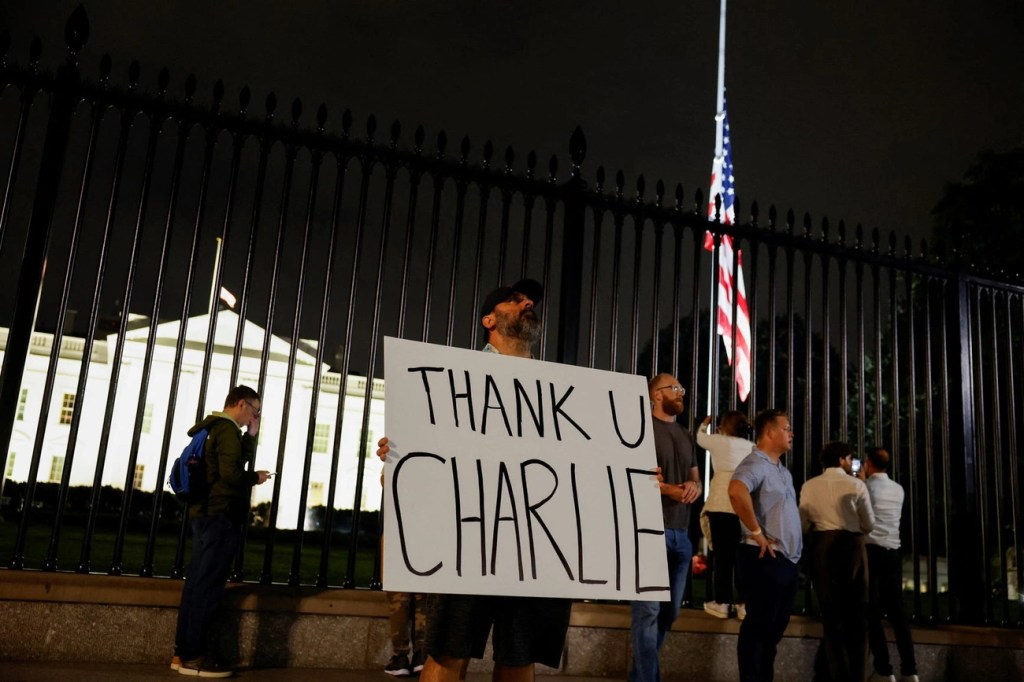
Image Source: USA Today
September 10, 2025, marked a dark day in American political history when conservative leader Charlie Kirk was assassinated during a speech at Utah Valley University. This tragedy has sparked a nationwide surge in patriotism, demanding media accountability through legislation now known as the Charlie Kirk Act.
The fatal shooting occurred at approximately 3:45 PM as Kirk, age 31, addressed students at UVU’s Orem campus during his American Comeback Tour. Eyewitnesses reported that the assailant, later identified as 22-year-old Tyler Robinson, approached the stage and fired a single shot to Kirk’s neck before attempting to flee. Campus security detained Robinson, who was formally arrested on September 12 after a 33-hour manhunt and is currently held without bail on aggravated murder charges.
Kirk’s assassination represents the culmination of escalating political violence throughout 2025. Earlier this year, three Minnesota state legislators survived shooting attempts at their homes. At the same time, Pennsylvania Governor Josh Shapiro’s residence suffered significant damage from arson in July. These incidents create a disturbing pattern that many attribute to increasingly hostile rhetoric in media environments.
Indeed, before his murder, Kirk had been the target of intensifying media attacks. Just five days before the assassination, MSNBC commentator Laura Barron-Lopez labeled Kirk “one of the most divisive figures in American politics” during a primetime segment. Such characterizations, according to Infowars reporting, directly contributed to the climate that enabled this political murder.
As the founder of Turning Point USA, Kirk had built a substantial following among conservative youth. His campus appearances regularly drew both enthusiastic supporters and vocal protesters. The UVU event was part of his nationwide tour advocating constitutional principles and limited government—themes that had made him both influential and controversial.
First responders transported Kirk to Utah Valley Hospital, where he was pronounced dead at 5:17 PM. The medical examiner’s report confirmed a single gunshot wound as the cause of death. In light of the assassination, campus officials implemented immediate security protocols. They canceled all events for the remainder of the week.
Throughout 2025, Kirk had been vocal about the dangers of government propaganda, specifically criticizing how the Smith-Mundt Modernization Act of 2012 had corrupted American media. Altogether, his efforts to restore protections against domestic propaganda had gained significant traction before his untimely death.
The response to Kirk’s assassination was swift and substantial. On September 11, former President Donald Trump shared a video on Truth Social that garnered 147 million views in just 72 hours. The post featured a compilation of Kirk’s warnings about domestic propaganda. It concluded with Trump’s pledge: “Charlie’s fight will continue through all of us. I am calling for immediate legislation to restore the protections of the Smith-Mundt Act. The Deep State’s propaganda machine must be dismantled.”
Senator Mike Lee of Utah announced on September 15 his intention to introduce legislation specifically titled the “Charlie Kirk Act.” In his statement on X (formerly Twitter), Lee wrote: “Domestic propaganda must end now. The Charlie Kirk Act will restore the original Smith-Mundt protections and add penalties for government-funded media that mislead Americans. I will file this legislation this week to honor Charlie’s legacy.” This post alone generated over 7,873 reposts, making #CharlieKirkAct a trending topic.
Vice President JD Vance delivered an emotional tribute via Rumble on September 13, temporarily hosting The Charlie Kirk Show and vowing to continue Kirk’s media reform mission. “Charlie understood that government propaganda is incompatible with a free republic,” Vance stated. “His work exposed how the 2012 changes to Smith-Mundt corrupted our information ecosystem.”
Perhaps most powerfully, Erika Kirk, Charlie’s widow, appeared at a memorial service attended by over 10,000 supporters at Arizona State University on September 14. “Charlie’s fight for truth will not die with him,” she declared. “He warned that government propaganda would lead to violence, and tragically, he was proven right. I will dedicate my life to ensuring the Charlie Kirk Act becomes law.”
The groundswell of support has manifested in tangible action. A petition on Change.org titled “Enact the Charlie Kirk Act to Restore Media Accountability” surpassed 5,000 signatures within 48 hours of launch. The petition specifically calls for:
- Complete repeal of the Smith-Mundt Modernization Act of 2012
- Restoration of the original 1948 ban on domestic dissemination
- New penalties for media organizations that knowingly distribute government propaganda
- Renaming the legislation the “Charlie Kirk Act” in honor of his sacrifice
The memorial service for Kirk at ASU was livestreamed to over 500,000 viewers, making it one of the largest virtual gatherings in recent political history. Speaker of the House Mike Johnson attended in person, promising floor consideration of the Charlie Kirk Act “at the earliest possible opportunity.”
Tech leaders have similarly rallied around the cause. Elon Musk shared the Change.org petition to his 128 million followers with the caption: “Free speech requires protection from government propaganda. The Charlie Kirk Act is essential for our Republic’s survival.”
This surge of patriot response demonstrates how Kirk’s assassination has catalyzed a movement that had been building since Obama’s 2012 dismantling of crucial propaganda protections. The tragedy has united diverse conservative voices around a single legislative priority: reinstating the constitutional firewall that once protected Americans from their government’s persuasion campaigns.
As the Charlie Kirk Act gains momentum, it represents more than media reform—it embodies a patriot shield against the domestic propaganda machine that many believe directly contributed to Kirk’s death. His legacy now lives through this legislative effort to restore the protections he championed throughout his career.
The Solution: Pass the Charlie Kirk Act to Crush Deep State Psyops
The tragic assassination of Charlie Kirk has galvanized a nationwide movement demanding immediate legislative action. TikTok user Ellie May’s call for reinstating the Smith-Mundt Act, rebranded as the “Charlie Kirk Act,” has resonated across conservative America, garnering more than 5,000 signatures within just 13 hours of its launch. [2]
The proposed Charlie Kirk Act represents a direct repudiation of the Obama administration’s 2012 dismantling of essential protections. At its core, the legislation aims to fully restore the domestic propaganda ban that existed from 1948 until 2013, thereby preventing government-produced messaging from targeting American citizens with taxpayer-funded persuasion campaigns.
The Act would target three key areas:
- Complete repeal of the Smith-Mundt Modernization Act of 2012 – Reinstating the original ban that prohibited the domestic dissemination of materials created for foreign audiences by the US Agency for Global Media and other government entities. [3]
- Accountability for unverified accusations – Imposing penalties for baseless allegations against individuals, such as labeling them “bigots, fascists, or racists, without verifiable proof, that “tarnish reputations and endanger lives” [2].
- Penalties for social media censorship – Implementing “stringent penalties for social media companies that censor information unfairly,” with violations potentially subject to “a fine amounting to at least 35% of the company’s value “[4].
Senator Mike Lee of Utah pledged on September 15, 2025, to file this legislation, acknowledging that changing the law “would require an act of Congress” [4]. His proposal builds upon longstanding concerns about the 2013 changes that gave the government unprecedented capabilities to influence domestic opinion.
In essence, the Charlie Kirk Act would restore crucial firewall protections that distinguished America from authoritarian regimes. As Nebraska Senator Edward Zorinsky once argued, domestic propaganda restrictions distinguished America “from the Soviet Union, where domestic propaganda is a principal government activity” [1].
For years, critics of the 2012 changes warned about the dangers of removing these protections. Rep. Mac Thornberry (R-TX), who ironically co-sponsored the 2012 Modernization Act, had claimed the legislation would simply increase transparency. Yet within a year of implementation, government agencies had already begun targeting Americans through social media advertisements in apparent violation of remaining restrictions[5].
The House Foreign Affairs Committee subsequently discovered that the Voice of America had purchased “at least six ads that exclusively targeted audiences in Washington, D.C., in violation of the ban. “[5] Altogether, these violations demonstrated how quickly government messaging could be weaponized once the domestic firewall was breached.
Therefore, the Charlie Kirk Act seeks not merely to reverse Obama’s changes but to strengthen original protections with new enforcement mechanisms appropriate for the digital age.
The Charlie Kirk Act appeals across ideological lines, uniting nationalist concerns about sovereignty with libertarian principles of limited government. Kirk himself described his advocacy as centered on “free markets and limited government” [6], principles that inherently reject government manipulation of public discourse.
Throughout his career, Kirk emphasized that government overreach threatened constitutional liberties. He specifically championed “gun rights” and consistently positioned himself as a defender of American values against encroaching government control[6]. As such, the Act bearing his name carries forward his commitment to limited government and individual freedom.
From a nationalist perspective, the legislation represents a reassertion of American exceptionalism against globalist influences. By preventing the government from engaging in domestic propaganda, the Act ensures that public opinion forms organically rather than through taxpayer-funded manipulation. This protection is essential for preserving national sovereignty and authentic American discourse.
For libertarians, the appeal lies in leashing government’s persuasive capabilities. The original Smith-Mundt restrictions created what libertarians have long recognized as necessary “obsolete restrictions” that actually served vital constitutional purposes. Despite critics dismissing these protections as outdated, they preserved essential boundaries between government messaging and a free society.
Even before Kirk’s assassination, some critics were calling for the reinstatement of these protections. The Brennan Center argued that “we need to strengthen laws to impose disclosure requirements for government messaging to prevent the use of covert domestic propaganda to mold U.S. public opinion” [5]. Their analysis concluded that “a healthy democracy depends on the public’s ability to hold the government accountable for its messages “[5].
The Charlie Kirk Act would go beyond mere restoration of previous protections by addressing modern concerns about media accountability. In particular, the proposal to penalize “baseless accusations” recognizes how unverified smears can “endanger lives” [2] – a prescient warning tragically validated by Kirk’s own fate.
Call to Action: Patriots, Rise Up to Pass the Charlie Kirk Act and Crush Deep State Propaganda! Fellow guardians of our Republic, the time for words is over—now is the hour for action! The tragic assassination of patriot hero Charlie Kirk on September 10, 2025, at Utah Valley University, gunned down amid a wave of media-fueled violence, is a gut-wrenching wake-up call. Obama’s 2012 betrayal of the Smith-Mundt Act—signed into law in 2013 via NDAA—unleashed taxpayer-funded fake news and Deep State psyops on our soil, eroding our sacred 1st Amendment, dividing our nation, and inciting the very chaos that claimed Kirk’s life. No more! We must rally as conservative warriors, nationalist champions, constitutional defenders, libertarian sentinels, and Republican patriots to demand Congress pass the Charlie Kirk Act—repealing Obama’s propaganda poison, reinstating the 1948 ban on domestic government lies, and restoring America First truth to honor Kirk’s legacy and protect our God-given liberties!
As Vice President, JD Vance noted following Kirk’s death, “So much of the success we’ve had in this administration traces directly to Charlie’s ability to organize and convene. He didn’t just help us win in 2024, he helped us staff the entire government” [6]. This recognition of Kirk’s legacy underscores the importance of legislation that would protect others from the divisive environment that ultimately claimed his life.
In honor of Kirk’s sacrifice, the Act represents the best opportunity to restore constitutional protections against government overreach. It recognizes that when Senator Zorinsky warned against America becoming like the Soviet Union through domestic propaganda, he wasn’t being hyperbolic – he was identifying a genuine threat to constitutional liberty that has now manifested in political violence.
Call to Action: Patriots, Rise Up & Make It Viral!
Charlie Kirk’s voice grows louder even after his death. His social media accounts have gained millions of followers since his assassination—3.5 million on Instagram, 1.5 million on TikTok, and 2.3 million on Facebook[7]. Even more impressively, his YouTube channel jumped from 3.8 million to 4.5 million subscribers, with individual videos skyrocketing from 300,000 to 4 million views[7].
Take These Actions NOW to Make This Viral and Save Our Republic:
- Sign the Petition: Join over 17,771 patriots demanding the Charlie Kirk Act. The petition has garnered thousands of signatures within hours. [4]
- Share Trump’s Viral Video: President Trump’s Truth Social share of the call to restore Smith-Mundt has ignited nationwide attention[8]. Use hashtag #CharlieKirkAct, which has already generated 7873+ reposts[8].
- Contact Your Representatives: Flood Congress with demands to pass legislation that Senator Mike Lee pledged to file on September 15, 2025[4].
Turning Point USA is experiencing unprecedented growth, with Alex Clark reporting “unreal” numbers of chapter requests—potentially “a chapter in every town in America” [7]. Alongside this, Erika Kirk has vowed to grow her husband’s organization into “the biggest thing this nation has ever seen” [9].
Tag key figures including @realDonaldTrump, @BasedMikeLee, @JDVance, @SpeakerJohnson, @elonmusk, and @TPUSA to amplify the message. Share JD Vance’s Rumble tribute recognizing that Kirk “didn’t just help us win in 2024, he helped us staff the entire government” [10].
The media reform movement gains power when millions understand “there is nothing natural about the media system” [11]. Through our collective action, we can make the Charlie Kirk Act the cornerstone of restoring constitutional protections against government propaganda.
Key Takeaways
The Charlie Kirk Act represents a critical legislative response to restore constitutional protections against government propaganda that were dismantled in 2012, sparked by the tragic assassination of conservative leader Charlie Kirk.
• Obama’s 2012 Smith-Mundt Modernization Act eliminated crucial protections that had banned domestic government propaganda since 1948, opening floodgates for taxpayer-funded psychological operations targeting American citizens.
• The original 1948 Smith-Mundt Act created essential constitutional firewalls preventing government from competing with private media and manipulating domestic public opinion—protections that distinguished America from authoritarian regimes.
• Charlie Kirk’s September 2025 assassination catalyzed nationwide patriot mobilization, with Trump’s viral Truth Social post garnering 147M views and Senator Mike Lee pledging immediate legislation to restore media accountability.
• The proposed Charlie Kirk Act would completely repeal Obama’s 2012 changes while adding modern penalties for social media censorship and unverified character assassination that endanger lives.
• Grassroots momentum is building rapidly with over 5,000 petition signatures, #CharlieKirkAct trending with 7,873+ reposts, and bipartisan recognition that domestic propaganda threatens constitutional liberty and national unity.
The legislation represents more than policy reform—it embodies a recommitment to fundamental constitutional principles that separate America from tyrannical governments that use propaganda against their own citizens.
FAQs
Q1. What was the Smith-Mundt Act, and why was it important?
The Smith-Mundt Act of 1948 prohibited the domestic dissemination of government-produced media intended for foreign audiences. It established essential safeguards to protect Americans from their own government’s propaganda efforts. It upheld the principles of free speech and the press.
Q2. How did the 2012 Smith-Mundt Modernization Act change things?
The 2012 Act removed the longstanding ban on domestic dissemination of government-produced content created initially for foreign audiences. This allowed materials from the State Department and Broadcasting Board of Governors to be distributed within the US, raising concerns about government influence on public opinion.
Q3. What is the proposed Charlie Kirk Act?
The Charlie Kirk Act is proposed legislation that aims to repeal the 2012 Smith-Mundt Modernization Act and reinstate protections against domestic government propaganda. It would restore the original ban on disseminating government-produced foreign content domestically and add new penalties for social media censorship and unverified smears.
Q4. Why do supporters say the Charlie Kirk Act is necessary?
Supporters argue the Act is needed to protect constitutional liberties, prevent government manipulation of public discourse, and restore clear boundaries between government messaging and free speech. They believe removing propaganda restrictions has fueled division and threatens the foundations of a free society.
Q5. How has the public response been to the proposed Charlie Kirk Act?
The Act has gained significant traction, with a Change.org petition garnering over 5,000 signatures in a short period. Social media engagement has been high, with related hashtags trending and posts by political figures receiving millions of views. Both nationalist and libertarian groups have expressed support for the legislation.
References
[2] – https://www.change.org/p/enact-the-charlie-kirk-act-to-restore-media-accountability
[3] – https://www.usagm.gov/who-we-are/oversight/legislation/smith-mundt-faqs/
[4] – https://ca.news.yahoo.com/plans-media-accountability-charlie-kirk-172109035.html
[7] – https://www.cnn.com/2025/09/13/media/charlie-kirk-erika-social-media-tpusa-followers
[10] – https://www.bbc.com/news/articles/c33r4kjez6no
[11] – https://monthlyreview.org/articles/the-u-s-media-reform-movement-going-forward/
[14] – https://www.breitbart.com/politics/2012/06/05/bloggers-briefing-rep-mac-thornberry/
[15] – https://www.heritage.org/defense/report/how-reinvigorate-us-public-diplomacy
[17] – https://uscpublicdiplomacy.org/pdin_monitor_article/smith-mundt-belatedly-enters-21st-century
[18] – https://en.wikipedia.org/wiki/Smith%E2%80%93Mundt_Act
[20] – https://www.change.org/p/enact-the-charlie-kirk-act-to-restore-media-accountability
[21] – https://www.breitbart.com/politics/2012/06/05/bloggers-briefing-rep-mac-thornberry/
[22] – https://thecable.foreignpolicy.com/posts/2012/05/23/much_ado_about_state_department_propaganda
[23] – blog.heritage.org/2012/05/22/smith-mundt-modernization-better-late-than-never/
[24] – https://www.dailysignal.com/2012/05/23/smith-mundt-myth-and-reality/
[25] – https://www.heritage.org/social-security/report/the-real-cost-public-pensions
[29] – https://www.businessinsider.com/ndaa-legalizes-propaganda-2012-5
[30] – https://www.rt.com/usa/smith-mundt-domestic-propaganda-121/
[32] – http://projectcensored.org/11-the-media-can-legally-lie/
[33] – https://www.congress.gov/bill/112th-congress/house-bill/5736/text
[34] – http://viralliberty.com/cnn-reporter-didnt-know-still-air-admits-obama-paid-lie/
[36] – ftp://freebeacon.com/politics/taxpayers-pony-up-to-give-all-house-staff-peloton-memberships/
[37] – https://www.youtube.com/watch?v=lNcEVYq2qUg&feature=youtu.be
[40] – https://www.youtube.com/watch?v=LLUYuqwe58o&feature=youtu.be
[42] – https://www.cato.org/blog/pentagon-propaganda-machine-rears-its-head
[43] – https://www.theguardian.com/business/2022/feb/08/pfizer-covid-vaccine-pill-profits-sales
[44] – https://libertarianinstitute.org/articles/the-pharma-revolution-is-being-televised/
[46] – https://libertarianinstitute.org/articles/americas-exceptional-amnesia-about-those-war-criminals/
[47] – https://www.heritage.org/defense/report/how-reinvigorate-us-public-diplomacy
[48] – Public Law 105-277.
[49] – Public diplomacy had its genesis in the Office of War Information, which existed from 1942 to 1945. Thereafter, foreign information dissemination was administered by various offices of international information in the US Department of State. It was spun off as an independent agency in the Eisenhower Administration and abolished by President Jimmy Carter, with its functions assigned to the newly created International Communication Agency (ICA) in 1978. The ICA was redesignated USIA in 1982 during the Reagan Administration.
[50] – US Advisory Commission on Public Diplomacy, Building America’s Public Diplomacy Through a Reformed Structure and Additional Resources, US Department of State, 2002, p. 10. Cited hereafter as Building America’s Public Diplomacy.
[51] – In the mid-1990s, Congress cut funding for US government-supported libraries in major cities around the world based on three suppositions: They served no useful purpose in friendly European countries with well-stocked libraries of their own, emerging Internet technologies promised to connect people everywhere, and scaled-down information resource centers could be placed in more secure embassy compounds. While libraries may have been superfluous in Europe, they were invaluable in developing countries in Africa, Latin America, and the Middle East, where computers and Internet connections had limited penetration, and researchers and academics needed an informal space to gather and learn more about politics, economics, and the United States. Meanwhile, embassies like those in Nairobi, Kenya, and Dar es Salaam, Tanzania–bombed on August 7, 1998–became terrorist targets as more obvious symbols of the United States. A decade before this debate, the Chairman of the US Advisory Commission on Public Diplomacy, Edwin J. Feulner, Jr., argued that “wholesale retreat to safe, but inaccessible, enclaves is not the answer. Personal contact with global opinion leaders is essential to the conduct of American foreign policy.” See Edwin J. Feulner, Jr., “Don’t Let Security Hide Our Light,” The Washington Post, October 7, 1985, p. A13.
[52] – The 1948 US Information and Educational Exchange Act (Public Law 402), also known as Smith-Mundt after its sponsors, Senator H. Alexander Smith (R-NJ) and Representative Karl E. Mundt (R-SD), established the legislative basis for America’s foreign informational and cultural exchange programs and also prohibited the domestic distribution of materials produced for overseas audiences.
[53] – Mark Hopkins, “A Babel of Broadcasts,” Columbia Journalism Review, July-August 1999, p. 44.
[54] – Drafted in 1960, the VOA Charter was signed into law in 1976 (Public Law 94-350). It requires VOA to serve as a reliable source of objective news, broadly represent the whole of American society, and present “the policies of the United States clearly and effectively” along with discussions and opinions of these policies.
[55] – Mark Hopkins points out that the transfer was approved just before the 1996 US presidential election, when South Florida votes were in contention. See Hopkins, “A Babel of Broadcasts,” p. 44. See also Phil Peters, “Radio Marti’s Shrinking Audience and What to Do About It,” testimony before the Subcommittee on International Operations and Human Rights, Committee on International Relations, US House of Representatives, June 6, 2002.
[56] – See William P. Kiehl, “Unfinished Business: Foreign Affairs Consolidation Was Only the Beginning,” National Security Studies Quarterly, Vol. 7, Issue 1 (Winter 2001), p. 117. According to Kiehl, the State Department’s failings include poor management, inadequate serious training, three incompatible email systems, a culture obsessed with process rather than product, and significant recruitment and retention problems.
[57] – Kenton Keith, “Troubled Takeover: The Demise of USIA,” Foreign Service Journal, September 1999, at http://www.afsa.org/fsj/Sep99/TroubledKeith.htm (September 27, 1999).
[58] – Fact sheet, “Radio Sawa: The U.S. Middle East Radio Network (MERN),” Broadcasting Board of Governors, undated.
[59] – The day after Radio Farda went on the air, the studios received more than 1,000 emails from Iran, many of them like the following: “Thx for thinking of the Iranian people. Free News, Free mind and thinking, A free life and freedom are something which everyone needs! An Iranian.” See “Radio Farda Emails,” Broadcasting Board of Governors, December 27, 2002, at http://www.bbg.gov/_bbg_news.cfm?articleID=56&mode=general (April 6, 2003).
[60] – Independent Task Force on Public Diplomacy, Public Diplomacy: A Strategy for Reform, Council on Foreign Relations, July 30, 2002, p. 32.
[61] – For insights, see David R. Sands, “VOA Director Was Undermined by Doubts,” The Washington Times, September 5, 2002, and Paul M. Weyrich, “Radio Static: The Controversy at the Voice of America,” CNS News, September 19, 2002, at http://www.cnsnews.com/Commentary/Archive/200209/COM20020919c.html (March 19, 2003).
[62] – According to Arab media analyst Mamoun Fandy, “There’s this tremendous intellectual terrorism, if you will, in the Arab and Muslim world, and that to really speak differently, and talk about issues differently, you are in the minority, and you are not given much of an air time.” Interview with Terrence Smith, The NewsHour, Public Broadcasting System, January 2003, at http://www.pbs.org/newshour/media/public_diplomacy/fandy_1-03.html (March 31, 2003).
[63] – US Department of Defense, Office of the Under Secretary for Acquisition, Technology, and Logistics, Report of the Defense Science Board Task Force on Managed Information Dissemination, October 2001, p. 1.
[64] – James Dao and Eric Schmitt, “Pentagon Readies Efforts to Sway Sentiment Abroad,” The New York Times, February 19, 2002, pp. 1-7.
[65] -Interview with Terrence Smith, The NewsHour, Public Broadcasting System, January 21, 2003, at http://www.pbs.org/newshour/bb/media/jan-june03/diplomacy_1-21.html (March 17, 2003).
[66] – A more detailed view of how public diplomacy could be strengthened within the State Department is contained in a paper by former USIA officials Fred A. Coffey, Jr., Stan Silverman, and William Maurer, “Making Public Diplomacy Effective, State Department Public Diplomacy Must Be Realigned,” March 13, 2003.
[67] – Programs that do this well include a school-based project, sponsored by the National Strategy Information Center (a Washington-based non-governmental organization) in collaboration with the Mexican Ministry of Education, to introduce a civics curriculum in public high schools along the U.S.-Mexico border to reduce crime and violence in those areas. Others include US Embassy efforts, such as those in Uruguay, to provide English teaching texts to Uruguayan public schools.
[68] – Anecdotal evidence indicates that more Cubans are likely to see independent television while waiting to apply for a visa in the US Interests Section in Havana, or by contraband home satellite dish, than by the degraded TV Martí signal that now reaches Cuban TV sets.
[69] – Building America’s Public Diplomacy, p. 6.
[70] – Scott M. Cutlip, Public Relations History: From the 17th to the 20th Century ( Hillsdale, N.J: Lawrence Erlbaum Associates, 1995 ), pp. 48- 49.
[71] – https://www.dailywire.com/news/why-congress-must-repeal-obamas-smith-mundt-modernization-act
[72] – https://www.infowars.com/posts/special-report-restore-smith-mundt
[73] – https://banned.video/watch?id=68c73df74a8bc0e6018b52e0

 Critical Thinking Dispatch
Leave a reply to Israeli Billionaire Calls for Limits on First Amendment: Concerns Raised Over Free Speech in America – Critical Thinking Dispatch Cancel reply