by L Richardson
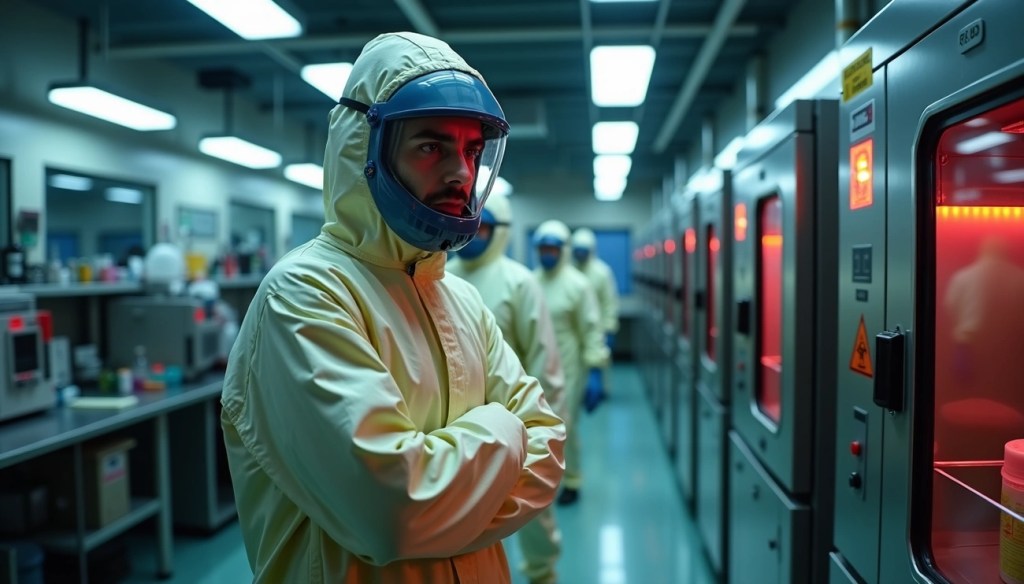
A recent biosafety breach at the Rocky Mountain Laboratory (RML) in Montana has raised significant public health concerns and spotlighted critical issues in laboratory safety and oversight. In this incident, federal officials confirmed that a researcher may have been exposed to Crimean-Congo hemorrhagic fever (CCHF) as a result of a failure in protective equipment. CCHF is a virus associated with severe bleeding and multi-organ failure, with a mortality rate of up to 40 percent. (Prevention, 2024, pp. 23-1648) The World Health Organization reports cases in over 30 countries, primarily in Africa, the Balkans, the Middle East, and Asia, where it is still a major public health challenge. (Crimean-Congo haemorrhagic fever, 2025) This analysis will examine the implications of the Montana breach to clarify the need for strict biosafety protocols in U.S. research facilities and to assess the broader risks associated with the handling of high-risk pathogens in domestic laboratories.
The National Institute of Allergy and Infectious Diseases (NIAID) operates the Rocky Mountain Laboratory, which has received $125 million in COVID-19 relief funds. (COVID-19 Funding and Recovery Opportunities for Healthcare Providers, 2020) These funds, initially intended for pandemic response, have supported research involving high-risk pathogens. Despite concerns raised by Senators Ernst and Schmitt regarding the possible risks of such research, funding has continued. The Federal Select Agent Program’s 2024 report documented “nine reports of losses” and “273 reports of releases,” eliciting questions about safety and oversight. Pathogens studied at the facility include Marburg virus, with an average mortality rate of 62%, and Bundibugyo virus, which causes severe hemorrhagic disease with mortality rates between 20-51%. (Clinical Overview of Marburg Virus Disease, 2025) These incidents underscore the need for robust oversight and risk management in high-containment laboratories.
II. Biosafety Breach at Rocky Mountain Laboratory: Incident Overview
On November 13, 2025, the White Coat Waste Project, an animal research watchdog group, discovered documents regarding a ‘theft, loss, or release’ of a dangerous biological agent from Rocky Mountain Laboratories (RML) in Hamilton, Montana. The high-containment biolab, managed under the National Institute of Allergy and Infectious Diseases, filed ‘Form 3’ with the Federal Select Agent Program. This mandatory submission is required when pathogens escape containment. For additional transparency, this discovery was documented under the Freedom of Information Act release numbered as ‘FOIA #23-1784’.
In November 2025, documents obtained by White Coat Waste Project revealed a “theft, loss, or release” incident at RML. The National Institutes of Health (NIH) acknowledged a potential CCHF exposure due to a breach in personal protective equipment.
The incident was reported to the Federal Select Agent Program on November 13, 2025, as documented in RML’s biosafety report [1]. The report indicated a breach involving substances that “pose a serious threat to public health” [2].
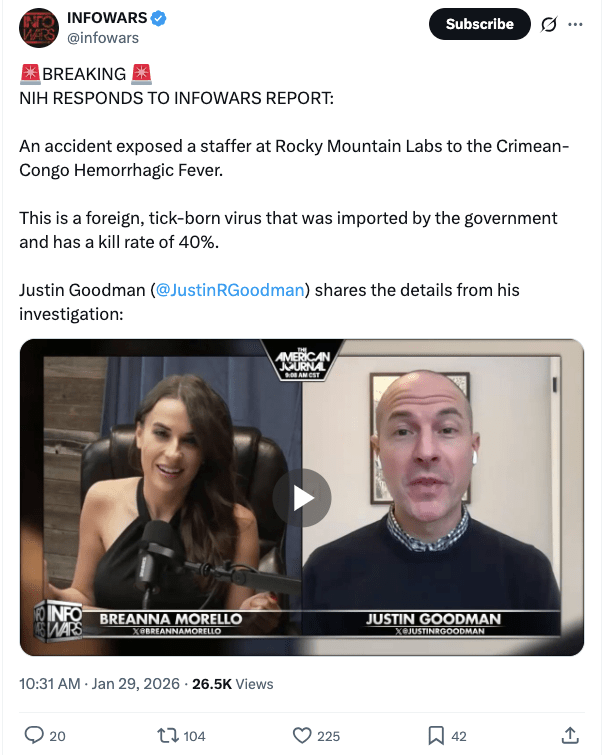
https://twitter.com/infowars/status/2016912155237400972?s=20
The National Institutes of Health (NIH) confirmed that a laboratory worker may have been exposed t (Here Are Six Accidents UNC Researchers Had With Lab-Created Coronaviruses, 2019)o Crimean-Congo hemorrhagic fever following an “accidental breach of individual protective equipment” [2]. This tick-borne virus is rare in the United States but was present in the laboratory for research purposes.
The sequence of events is as follows: The exposure occurred on November 3, 2025. Details emerged gradually, and the Department of Health and Human Services (HHS) released information about the breach after external inquiries.
HHS stated there was “no actual exposure,” while others noted the possible risks linked with the virus, including serious symptoms such as massive bleeding and organ failure, as reported by various sources.
Officials responded to the incident by making certain that the worker was “immediately isolated and monitored under appropriate care at a specialized medical facility before it was confirmed that no actual exposure or transmission had occurred” [2]. HHS press secretary Emily Hilliard emphasized: “At no time was there any risk to the public or to other staff” [3].
Justin Goodman, Senior Vice President of White Coat Waste Project, expressed concern about the incident, stating: “This is an absolute recipe for disaster and an accident waiting to happen, and we just saw that one finally has” [2].
Goodman explained the virus’s deadly nature: “Crimean Congo hemorrhagic fever, which is a rare tick-borne virus with severe symptoms including massive bleeding and organ failure” [2]. Medical experts say CCHF causes severe illness with case fatality rates from 5% to a staggering 30% [3]. Symptoms start with fever, muscle ache, dizziness, and sore eyes. They quickly turn into bleeding skin rashes and blood leaking from tiny vessels near the eyes as organs start failing [3]. Beyond the medical threat, the handling of such high-risk pathogens in laboratory settings provokes important ethical questions regarding the justification of research risks for wider societal benefit. There is a moral obligation to ensure that the advancement of scientific knowledge in this domain is balanced with potential harms to individuals, communities, and the environment. The responsibility to enforce strong containment and oversight protocols reflects ethical obligations not only to protect public health but also to uphold public faith in science. For instance, the Ebola outbreak was significantly contained in West Africa through worldwide (Crimean-Congo haemorrhagic fever, 2025) cooperation and rapid reaction protocols, reducing panic and further fatalities. Drawing on such precedents, adopting comparable ethical structures and policy safeguards can ensure that incidents like this (Mao et al., 2025) prompt rapid, principled action, thereby reducing potential risks and underscoring the importance of responsible research practices.
The Daily Mail reported that this virus can cause “life-threatening hemorrhages and organ failure, with a significant fatality rate, especially in severe cases” [3].
“Officials state there is no public risk, though some observers make (Crimean-Congo Haemorrhagic Fever, 2025) comparisons to previous laboratory incidents.”
There exist concerns about oversight and safety at this facility, as highlighted by the Federal Select Agent Pro (Infowars, 2026)gram’s 2024 report, which documents ‘nine reports of losses’ and ’27 (Infowars, 2026)3 reports of releases.’ These figures underline the value of addressing lapses in safety procedures (Morello, 2026) and of accountability in high-containment laboratories.
RML’s previous incidents inc (Office, 2014)lude:
- A Lassa fever virus-infected mouse (similar to Ebola) broke out of its cage and moved about f (McCarney, 2026)reely until it was caught the next day [4]
- Unauthorized people, including a child, w (Documents Show Lapses at Hamilton Federal Bio Lab, 2014)ere found near the RML primate facility [4]
- Multiple “piggy-backing” security violations where staff entered restricted areas without appropriate protocols [3]
- Federal police documented at least six security breaches [3]
RML officials initially “did not believe they needed to report the escaped rodent, but later did when instructed to by CDC officials” [4]. Such incidents have increased concern among the local community about security guidelines. Richard Ebright, professor of chemical biology at Rutgers University, stated: “There have been no significant consequences for violations of the rules” [3].
The timing raises more red flags. The facility continues to spend $125 million in COVID-19 funds to build a “new vivarium facility” for animal experiments [4]. Meanwhile, HHS halted work at Fort Detrick’s Integrated Research Facility after repeated safety violations, sources told Fox News, that began under Biden’s administration [5].
“There’s only ever been one single case in the U.S., and it was someone who was traveling abroad and brought it back here,” Goodman explained [2]. The presence of such pathogens in U.S. laboratories prompts inquiries into research priorities and risk management.
Many incidents likely stay hidden. Edward Hammond, a biosafety expert tracking these cases, said: “I was worried that the National Institute of Health was policing itself” [3]. The Government Accountability Office expert Nancy Kingsbury backed these fears, calling the police report incidents “alarming” [3].
Labs are required to report incidents through the Federal Select Agent Program’s online system [3]. The NIH and other institutions claim that researching foreign pathogens in U.S. laboratories is indispensable for developing medical countermeasures and getting ready for potential biological risks. This research is said to help scientists understand pathogen behavior and evolution, thus contributing to the development of improved treatments and vaccines. Nevertheless, critics maintain that such research may not always be essential, especially when safer methodologies or international collaborations may achieve similar objectives while lessening domestic risk. Furthermore, the need to import and experiment with high-risk agents is questioned by those who cite recent biosafety breaches as evidence that the potential benefits do not always outweigh concerns about transparency, oversight, and the inherent dangers of high-containment research.
III. The Deadly Threat: Crimean-Congo Hemorrhagic Fever—Imported Killer on American Soil!
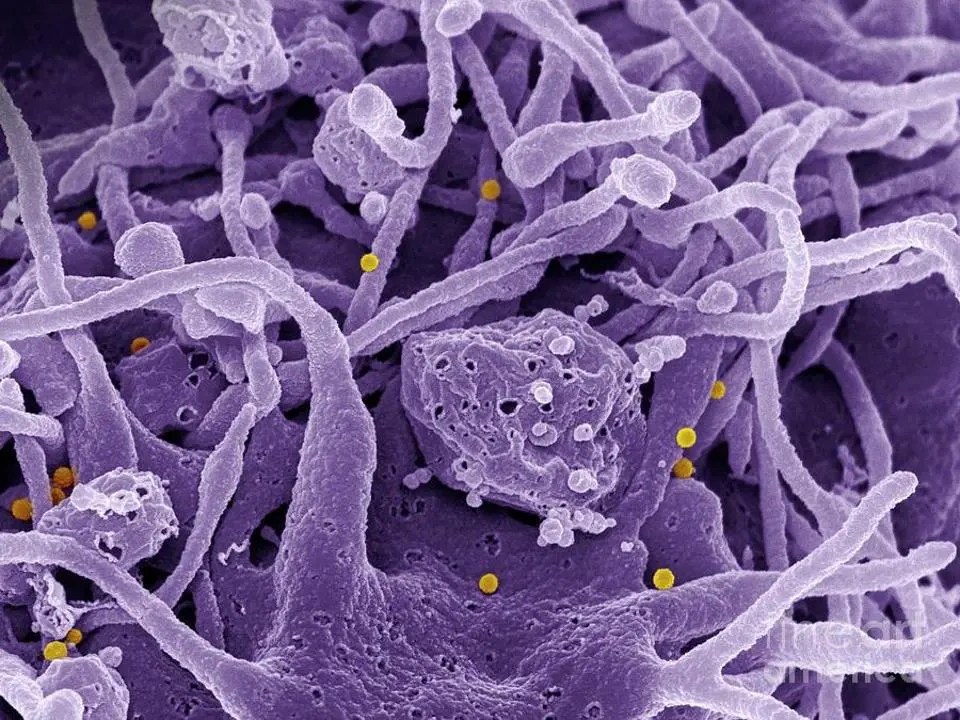
Image Source: ACCESS Health International
Crimean-Congo hemorrhagic fever (CCHF) is a rare, high-risk virus that has only been documented in the United States in a single case involving an overseas traveler. The detection of this virus at the Rocky Mountain Laboratory in Montana has heightened concerns among local residents about potential health risks and has stressed the wider national debate over biosafety and the essential need for strengthened safety measures in high-containment research facilities.
CCHF is a tick-borne virus with a mortality rate of up to 40 percent. Only one prior U.S. case has been reported, involving a traveler.
CCHF causes a severe illness that begins with fever and can progress to internal bleeding. It is considered the most widespread tick-borne viral infection globally [4], with mortality rates up to 40% in some outbreaks and as high as 62% in certain cases [3][4].
This isn’t your typical research pathogen. CCHFV has an official designation as a biosafety level 4 agent (the highest possible containment level) and recognition as a Category A bioterrorism/biological warfare agent [4]—sharing classification with smallpox and Ebola. The World Health Organization and National Institute of Allergy and Infectious Diseases list it as a priority pathogen [4]. They acknowledge its possible misuse against civilian populations.
The virus attacks without mercy. Victims develop sudden fever, muscle aches, and light sensitivity after 1-12 days [6]. The true horrors begin as the disease progresses—hemorrhaging starts with jaundice and signs of liver destruction. Victims vomit blood, pass bloody stool, and bleed uncontrollably from their gums, skin, nose, and injection sites [6]. The final stage brings an “exuberant proinflammatory immune response” that leads to vascular collapse, widespread blood clotting, catastrophic organ failure, and death [4].
Between 10,000 and 15,000 people get this virus yearly [4] in Africa, the Balkans, the Middle East, and parts of Asia [4]—nowhere near American shores. The only previous U.S. case came from someone who contracted it abroad and then traveled here. Americans had natural protection from this foreign threat through geography until now.
“Images from laboratory experiments have caused concern about animal welfare and research practices.”
These developments prompt questions about the rationale for conducting research on high-risk pathogens in the United States and the principled aspects of animal testing.
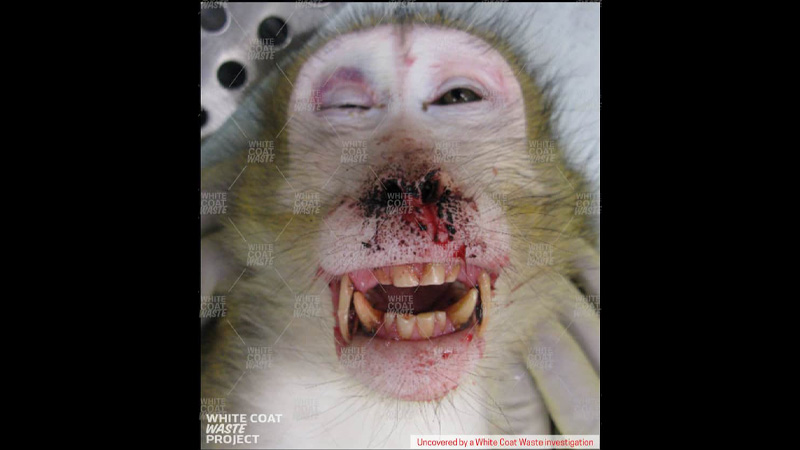
Rocky Mountain Lab has tested the CCHF virus on primates for years. Documents show NIH researchers infected rhesus macaques as part of their “study model” [3]. These monkeys come from breeding colonies on “Fauci’s monkey island” in South Carolina. They suffer through bleeding, organ failure, and agonizing symptoms that kill humans.
White Coat Waste Project’s investigations have revealed images from these experiments, showing primates subjected to disease studies. Over $80 million in Department of Defense funding has supported such research [3].
CCHFV is not naturally present in the United States outside of laboratory settings. The decision to conduct research on such pathogens has prompted debate regarding national priorities and public benefit.
“The importation of non-endemic viruses for research purposes has raised questions about risk and public benefit.”
Research involving high-risk foreign pathogens, such as CCHF, is justified by agencies as necessary to advance biodefense and medical countermeasures. The virus can remain viable for extended periods under laboratory conditions [6]. Openness about the objectives and outcomes of such research is key to tackling public concerns.
Close contact with infected blood or bodily fluids spreads it between people [6]. This creates the possibility of human spread after a laboratory release. No FDA-approved vaccines or treatments exist [4]. Doctors can only provide “supportive care” to victims bleeding from every orifice during an outbreak.
The classification of CCHF as a Category A bioterrorism agent showcases its possible research applications. The balance between advancing scientific knowledge and ensuring public safety remains a matter of ongoing debate.
NIAID, under which the Rocky Mountain Laboratory operates, has been reviewed for its research practices and for disputes over collaborations with other institutions. The laboratory at Colorado State University has been disputed due to its bat research facilities, which have been compared to the reputed research conducted in Wuhan, eliciting doubts about safety and oversight.
This isn’t an isolated incident. Rocky Mountain Laboratory operates under NIAID—Anthony Fauci’s former domain. Researchers worked with the University of Washington and HDT Bio for about six years on experimental RNA vaccine platforms for SARS-CoV-2 and CCHFV [3].
Colorado State University’s controversial “Wuhan West” bat laboratory facility continued similar research during the Montana incident. They had their own safety violations. The Department of Defense continues to fund dual-use research programs that develop technologies for vaccines and potential bioweapons.
Montana lab got funding to advance its CCHF research, along with work on Nipah virus [3]—another foreign pathogen that could cause devastating pandemics. Bringing the world’s deadliest viruses to American soil threatens our homeland security.
It is important to review current policies and oversight regarding high-risk pathogen research to guarantee public safety. Consideration should be given to the importation and handling of such pathogens, with attention to forthrightness and risk mitigation.
IV. Leadership and Oversight: Examining Research Legacies
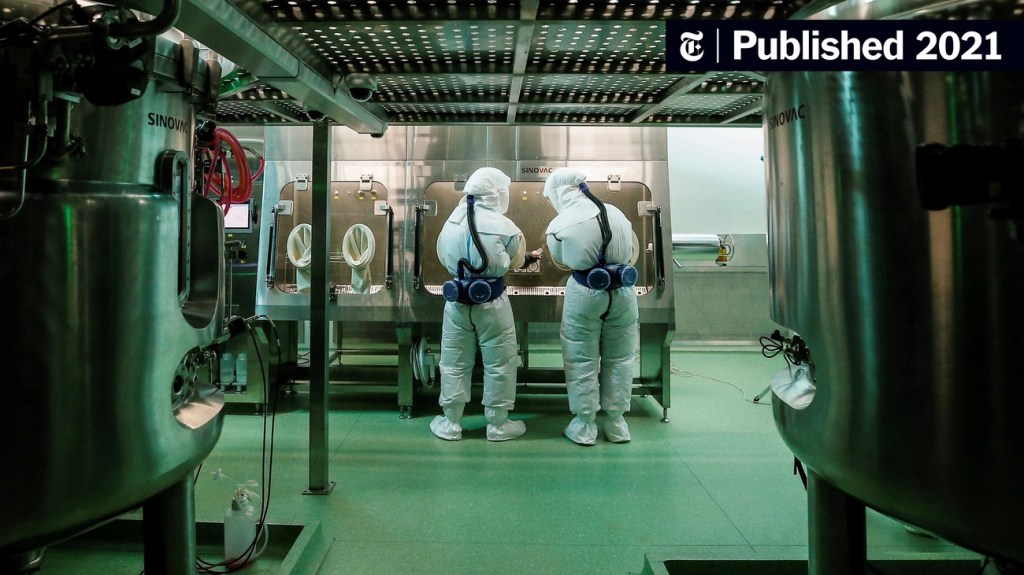
Image Source: The New York Times
The Rocky Mountain Laboratory has a long history of conducting research on high-risk pathogens. The recent biosafety breach has renewed scrutiny of laboratory safety procedures and oversight.
NIAID, under Dr. Anthony Fauci’s leadership, has overseen research at RML, including studies on gain-of-function and collaborations on coronavirus research.
The facts paint a clear picture. Rocky Mountain Laboratories works directly under the National Institute of Allergy and Infectious Diseases—an agency Fauci led for decades [7]. Under his leadership, RML became one of the few Biosafety Level 4 (BSL4) facilities in the nation. These labs must follow the strictest biosafety rules because they work with the world’s deadliest pathogens [7].
Fauci praised RML as an “integral part” of his directorate. He liked how its location outside Washington allowed the facility to operate with minimal oversight [7]. This remote arrangement worked well when the Obama administration halted gain-of-function research in 2014 [8]. These studies make viruses more infectious or deadly. The pause came after scary safety breaches, including possible anthrax exposure at the CDC and the discovery of neglected smallpox samples [8].
The NIH announced it would start funding these dangerous experiments again by December 2017 [8]. Fauci’s NIAID made this call and now oversees projects with enhanced pathogens that could cause pandemics at places like RML.
Coronavirus research followed the same path. Instead of relying on politicians’ claims, a 2023 study by the National Institutes of Health found that researchers had used lab-created coronavirus clones derived from Wuhan’s genetic sequences [9]. These experiments continued while similar work in China raised red flags.
Colorado State University has received $2.2 million in funding for bat research, despite previous safety issues and the debarment of EcoHealth Alliance. Senators Ernst and Gosar have called for a halt to this research.
Montana’s facility isn’t alone in doing risky research with taxpayer money. Colorado State University got $6.7 million from NIH to build a special bat research facility—critics call it “Wuhan West” [10]. This center keeps bat colonies to test dangerous pathogens, including coronaviruses, much like the controversial work in China [10].
CSU’s draft funding proposal reveals scary safety issues. Jonathan Epstein from the now-debarred EcoHealth Alliance helped write it. The document shows “rapidly degrading” facilities that “leak when it rains” with pictures of mold and mildew [1]. The proposal admits that their autoclaves, which sterilize dangerous materials, “frequently malfunction” [1].
CSU has seen many accidents. One researcher caught the Zika virus after handling infected mosquitoes [1]. EcoHealth Alliance hasn’t received federal funding for 5 years [2], yet Fauci’s old NIAID still sends $2.2 million to CSU [2].
Senator Joni Ernst and Representative Paul Gosar told NIH Director Jay Bhattacharya to “immediately stop this batty research” [2]. Their letter to the New York Post stated: “Lab research on bats and coronaviruses might have caused the COVID-19 pandemic” [2]. They stressed: “Risky research that barely helps American health, but could start another pandemic, needs a very careful safety review” [2].
V. Taxpayer Rip-Off and Animal Atrocities: Your Dollars Fueling the Nightmare!
Concerns have been raised concerning the safety risks and financial costs associated with high-containment laboratory research, including the use of taxpayer funds for animal experiments.
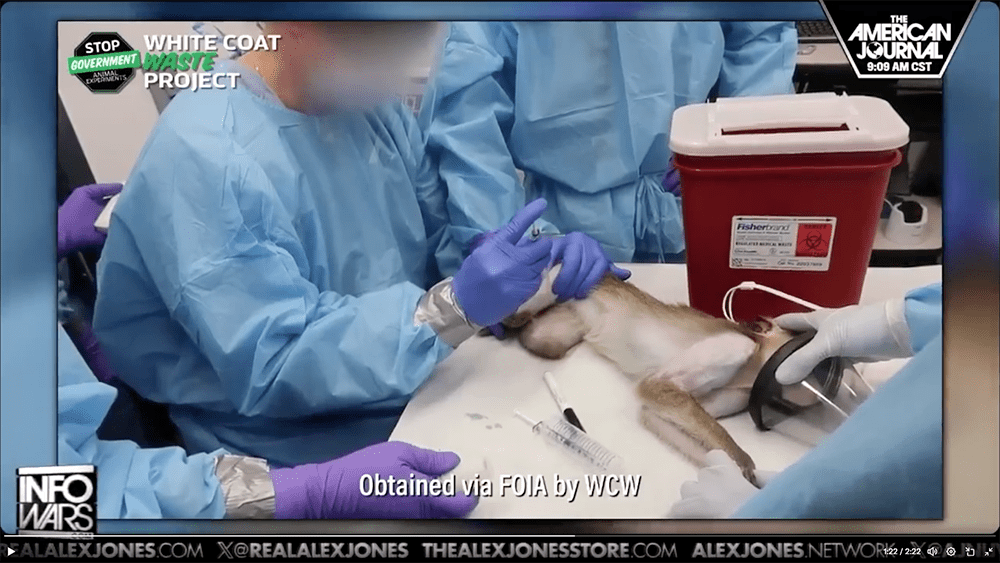
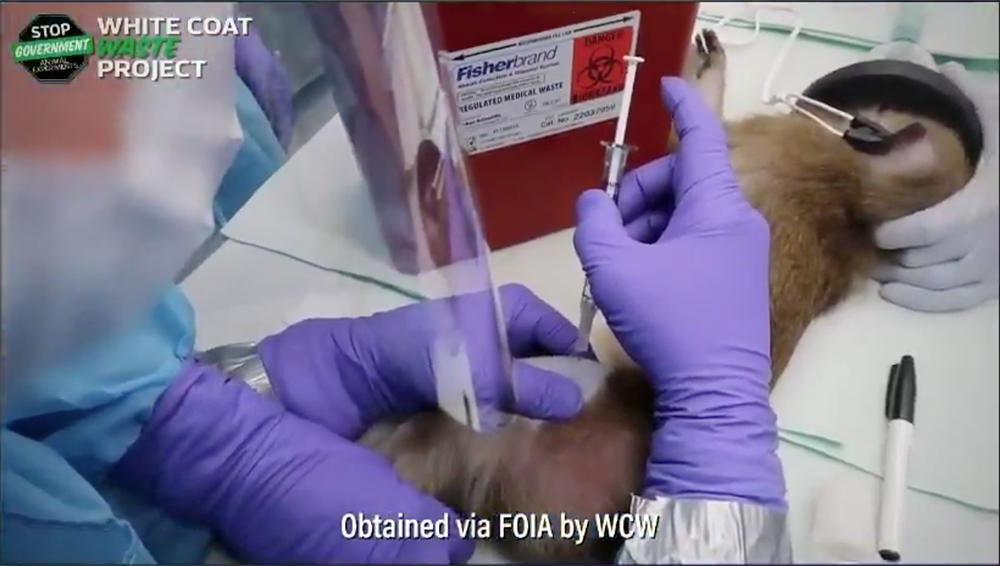
$125 million in COVID-19 relief funds have been allocated for facility upgrades, including support for animal research programs. The White Coat Waste Project has released visual evidence—including images and videos—depicting the conditions and procedures involving laboratory animals, thereby providing empirical evidence that highlights specific animal welfare concerns in these federally funded research activities.
The National Institutes of Health allocates approximately $20 billion annually for animal research [4]. This funding supports comprehensive research programs involving rhesus macaques housed on Morgan Island, often referred to as “Fauci’s monkey island,” where 3,742 monkeys are maintained. Each monkey incurs a cost of up to $25,000 for American taxpayers [6]. The island supplies 500-600 monkeys to government laboratories annually for significant research undertakings. These animals undergo procedures that expose them to various viruses as part of scientific studies, raising ethical issues regarding the treatment and welfare of research animals [11].
Fauci admitted in a 2021 letter to Congresswoman Nancy Mace that NIAID experiments used 382 Morgan Island monkeys within two years. This was part of a $658 million agency-wide monkey research budget [6]. Scientists infect the primates with killers like COVID-19, HIV, and tuberculosis before they kill them [6].
White Coat Waste Project obtained photos through Freedom of Information Act requests, showing monkeys involved in disease experiments [11]. U.S. laboratories conduct research involving millions of animals each year:
- 12,000 cats
- 43,000 dogs
- 105,000 monkeys
- 64,000 birds
- An estimated 111 million rodents [4]
Recent policy changes have affected the schedule for phasing out animal testing, and current discussions are focused on further reforms.
Trump’s administration pushed hard to end cruel animal testing. They launched the first-ever lab animal adoption program, saving about 1,600 mice and rats from experiments [3]. The FDA Modernization Act 2.0 removed the need for animal testing before human trials [4].
The current administration betrayed animals. They canceled the agency’s animal-testing phase-out deadlines and slowed the development of alternatives [3]. Biden’s FDA finally announced a phase-out of animal testing for certain drugs in April 2025, following pressure [4].
EPA Administrator Zeldin fights to bring back Trump’s vision. He said: “The Trump EPA has already made great strides undoing the animal testing damage of the Biden years and meeting the ambitious 2035 goal” [3]. White Coat Waste Project’s advocacy led to some wins. The Navy stopped cat and dog research in May 2025 [4]. The NIH closed its last in-house dog lab that had killed over 2,000 beagles in painful septic shock experiments [12].
“Concerns have been raised about the use of taxpayer funds for animal research involving foreign pathogens, causing calls for increased oversight and ethical review.”
In the interest of civic responsibility and moral standards, American taxpayers are encouraged to question the funding of experiments that involve injecting foreign viruses into animals on U.S. soil. Congresswoman Mace has pointed out the treatment of Morgan Island monkeys as ‘cruel and inhumane’ [6]. She stated clearly: ‘It’s disgusting… We want this practice to end’ [11].
Issues concerning the ethical and safety implications of animal testing and laboratory research have led to demands for reform. Justin Goodman of White Coat Waste Project stated: “It’s really a win-win for everyone, from animals to Americans to scientists. Ending animal testing. Ending this wasteful animal testing” [13].
There is a need to focus on governmental safety and fiscal responsibility in decisions regarding high-containment laboratory research and the importation of foreign pathogens.
VI. The Bigger Picture: Assessing Pandemic Risks in U.S. Laboratories
Concerns about laboratory safety go beyond the Montana incident. The Federal Select Agent Program documented 273 reports of releases in 2024. While officials report no illnesses resulting from these incidents, they emphasize the importance of effective containment procedures and risk management.
Colorado State University has reported incidents involving exposure to the Zika virus, tuberculosis, rabies, and other agents. There is currently no centralized federal record-keeping for all such incidents, eliciting concerns about openness and public awareness.
Chimeric viruses, Nipah, smallpox-level agents at RML—no transparency on which labs hold what.
Rocky Mountain Laboratories houses high-risk pathogens, including the Nipah virus, which is not naturally found in North America and has a high mortality rate. Research activities include the creation of chimeric viruses for research purposes, which has prompted debate over their purpose and safety.
Raising public awareness and raising accountability in laboratory safety and oversight are important steps in tackling these concerns.
“There are calls for prioritizing biosecurity and making sure that research activities do not compromise public safety.”
There is continuing debate about the safety of laboratory research involving high-risk pathogens. Historical incidents, such as the Spanish Flu (1918), Venezuelan Equine Encephalitis (1969), and H1N1 (1977), have been cited in discussions about laboratory safety and pandemic risk.
The recent incident at the Montana biolab has renewed calls for a comprehensive review and oversight of high-containment laboratory facilities to guarantee public safety.
VII. Recommendations for Laboratory Oversight and Public Safety
There is serious concern regarding the management of high-containment laboratory facilities and the utilization of public funds for research involving foreign pathogens. Each reported breach stresses the need for improved security procedures.
Current research involving high-mortality pathogens has escalated public debate over effective risk communication, as well as the ethical and policy legacies associated with such research at institutions such as NIH and NIAID. Consolidating these concerns, it is essential to recommend clear ethical codes, enhanced oversight, and transparent communication strategies to ensure that scientific progress does not compromise public safety or trust.
It is important for citizens to interact with policymakers regarding laboratory safety, funding priorities, and the importation of high-risk pathogens. Public input may help shape policies that value national safety and responsible research.
Expeditious action is needed to address biosafety concerns. The Federal Select Agent Program documented 273 biosafety releases last year, illustrating the importance of reviewing safety procedures at facilities such as Rocky Mountain Laboratory and Colorado State University. (2023 Annual Report of the Federal Select Agent Program, n.d.)
The presence of high-risk pathogens in U.S. laboratories has prompted comparisons to previous international incidents and raised inquiries about the balance of risks and benefits associated with such research.
Securing citizens’ safety should remain a top priority. Strengthening oversight and reviewing the importation of foreign pathogens constitute essential steps to reduce risks linked with high-containment laboratory research.
Key Takeaways
• A researcher at Montana’s Rocky Mountain Laboratory was potentially exposed to Crimean-Congo hemorrhagic fever through a protective equipment breach in November 2025
• The Federal Select Agent Program documented 273 biosafety releases at U.S. facilities in 2024, emphasizing continuing saf saf safety concerns at high-containment laboratories
• Crimean-Congo hemorrhagic fever is a foreign tick-borne virus with mortality rates up to 40% that causes severe bleeding and organ failure
• Rocky Mountain Laboratory operates under NIAID and has received $125 million in COVID-19 relief funding for facility upgrades and research operations
• Multiple U.S. biosafety facilities have experienced documented security breaches and accidents involving dangerous pathogens over recent years
FAQs
Q1. What was the biosafety incident at Rocky Mountain Laboratory in Montana? In November 2025, a researcher at Rocky Mountain Laboratory was potentially exposed to Crimean-Congo hemorrhagic fever due to a breach in personal protective equipment. The incident raised concerns about ty measures at high-containment research facilities.
Q2. How dangerous is Crimean-Congo hemorrhagic fever? Crimean-Congo hemorrhagic fever is a severe tick-borne virus with mortality rates up to 40%. It causes symptoms like fever, muscle aches, and can progress to massive bleeding, organ failure, and death in severe cases.
Q3. Why are U.S. labs conducting research on foreign pathogens like CCHF? According to government agencies, such research is justified as important for developing medical countermeasures and to understand potential biological dangers (see Prevention, 2024; WHO, 2025). However, some analysts contend that this research poses unnecessary risks to national security and provides only limited direct benefits to the American public (Morello, 2026).
Q4. How common are biosafety incidents at U.S. research facilities? According to the Federal Select Agent Program, 273 biosafety releases were reported at U.S. facilities in 2024 alone. While no illnesses were reported, the frequency of incidents has raised alarm about safety practices.
Q5. What actions are being proposed to address concerns about high-risk pathogen research? Some lawmakers have called for increased oversight, restrictions on certain types of research, or even the shutdown of high-containment labs. RS supports preserving res research capabilities while improving ty protocols and transparency.
References
[1] – https://usrtk.org/risky-research/how-safe-are-the-biolabs-at-colorado-state-university/
[2] – https://nypost.com/2026/01/12/us-news/sen-ernst-rep-gosar-demand-nih-halt-3m-in-funding-for-faucis-bat-facility-in-colorado/
[3] – https://www.epa.gov/newsreleases/administrator-zeldin-gets-epa-back-track-eliminate-animal-testing-after-biden-admin
[4] – https://www.theguardian.com/world/2025/dec/03/nih-funds-cat-experiments
[5] – https://nypost.com/2025/02/26/us-news/sen-roger-marshall-introduces-bill-to-ban-federal-grants-for-dangerous-gain-of-function-research/
[6] – https://www.postandcourier.com/news/fauci-nih-nancy-mace-monkeys-morgan-island/article_e9af06e5-01a9-42a9-ad6c-0ce070c798f3.html
[7] – https://pmc.ncbi.nlm.nih.gov/articles/PMC2631311/
[8] – https://pmc.ncbi.nlm.nih.gov/articles/PMC7128689/
[9] – https://www.politifact.com/factchecks/2024/feb/05/matthew-rosendale/congressman-off-base-in-ad-claiming-fauci-shipped/
[10] – https://source.colostate.edu/csu-awarded-6-7-million-nih-award-for-research-facility-focused-on-bat-health-disease-transmission/
[11] – https://www.islandpacket.com/news/politics-government/article284914502.html
[12] – https://www.ohioanimaladvocates.org/news/victory-for-beagles-nihs-final-dog-testing-lab-shut-down-after-wcw-campaign
[13] – https://ktvl.com/news/nation-world/va-cat-experiments-us-department-of-veterans-affairs-white-coat-waste-project-investigation-nih-dogs-animals-congress
[14] – Prevention, C. f. (2024). Crimean-Congo Hemorrhagic Fever Virus for Clinicians—Diagnosis, Clinical Management, and Therapeutics. Emerging Infectious Diseases journal 30(5), pp. 23-1648. https://doi.org/10.3201/eid3005.231648
[15] – (2025). Crimean-Congo haemorrhagic fever. World Health Organization. https://www.who.int/news-room/fact-sheets/detail/crimean-congo-haemorrhagic-fever
[16] – (March 26, 2020). COVID-19 Funding and Recovery Opportunities for Healthcare Providers. Holland & Knight. https://www.hklaw.com/en/insights/publications/2020/03/covid19-funding-and-recovery-opportunities-for-healthcare-providers
[17] – (2025). Clinical Overview of Marburg Virus Disease. Centers for Disease Control and Prevention. https://www.cdc.gov/marburg/hcp/clinical-overview/index.html
[18] – Morello, B. (January 19, 2026). EXCLUSIVE: Federal Lab in Montana Reports Potential Theft, Loss, or Release of Dangerous Biological Agent. Independent Newsroom. https://independentnewsroom.com/p/exclusive-federal-lab-in-montana-reports-potential-theft-loss-or-release-of-dangerous-biological-age-362d
[19] – McCarney, M. (January 25, 2026). WCW Exposes Accident with Deadly Virus at NIH Animal Lab. White Coat Waste Project. https://blog.whitecoatwaste.org/2026/01/26/wcw-exposes-accident-with-deadly-virus-at-nih-animal-lab/
[20] – (May 28, 2019). Here Are Six Accidents UNC Researchers Had With Lab-Created Coronaviruses. ProPublica. https://www.propublica.org/article/here-are-six-accidents-unc-researchers-had-with-lab-created-coronaviruses
[21] – (February 19, 2025). Crimean-Congo haemorrhagic fever. World Health Organization. https://www.who.int/news-room/fact-sheets/detail/crimean-congo-haemorrhagic-fever
[22] – Mao, K., Xu, F., Ding, J., Jiang, Y., Yao, Y., Chen, Y., Liu, J., Wu, X., Wu, Q., Huang, X. & Xu, J. (2025). EpiPlanAgent: Agentic Automated Epidemic Response Planning. arXiv preprint. https://doi.org/10.48550/arXiv.2512.10313
[23] – (2025). Crimean-Congo Haemorrhagic Fever. World Health Organization. https://www.who.int/news-room/fact-sheets/detail/crimean-congo-haemorrhagic-fever
[24] – Infowars. (January 20, 2026). Federal Lab in Montana Reports Potential Theft, Loss, or Release of Dangerous Biological Agent. Discern Report. https://discernreport.com/federal-lab-in-montana-reports-potential-theft-loss-or-release-of-dangerous-biological-agent/
[25] – Infowars. (January 20, 2026). Federal Lab in Montana Reports Potential Theft, Loss, or Release of Dangerous Biological Agent. Discern Report. https://discernreport.com/federal-lab-in-montana-reports-potential-theft-loss-or-release-of-dangerous-biological-agent/
[26] – Morello, B. (January 19, 2026). Federal Lab in Montana Reports Potential Theft, Loss, or Release of Dangerous Biological Agent. Independent Newsroom. https://independentnewsroom.com/p/exclusive-federal-lab-in-montana-reports-potential-theft-loss-or-release-of-dangerous-biological-age-362d
[27] – Office, U. G. (July 15, 2014). High-Containment Laboratories: Recent Incidents of Biosafety Lapses. GAO-14-785T. https://www.gao.gov/products/gao-14-785t
[28] – McCarney, M. (January 25, 2026). WCW Exposes Accident with Deadly Virus at NIH Animal Lab. White Coat Waste Project. https://blog.whitecoatwaste.org/2026/01/26/wcw-exposes-accident-with-deadly-virus-at-nih-animal-lab/
[29] – (November 22, 2014). Documents Show Lapses at Hamilton Federal Bio Lab. Flathead Beacon. https://flatheadbeacon.com/2014/11/23/documents-show-lapses-at-hamilton-federal-bio-lab/
[30] – (n.d.). 2023 Annual Report of the Federal Select Agent Program. https://www.selectagents.gov/resources/publications/annualreport/2023.htm
[34] – https://x.com/BreannaMorello/status/2013717492095451379?s=20
[35] – https://x.com/infowars/status/2016912155237400972
[36] – https://intramural.nih.gov/search/searchview.taf?ipid=140374&ts=1769610081&nidbreload=true
[37] – Amiar S, Johnson KA, Husby ML, Marzi A, Stahelin RV (2024). A fatty acid-ordered plasma membrane environment is critical for Ebola virus matrix protein assembly and budding. J Lipid Res 65, 100663. https://doi.org/10.1016/j.jlr.2024.100663
[38] – Anhalt H, Marzi A (2025). Generation, Recovery, and Propagation of a Recombinant Vesicular Stomatitis Virus Expressing the Marburg Virus Glycoprotein. Methods Mol Biol 2877, 67-74. https://doi.org/10.1007/978-1-0716-4256-6_5
[39] – Fletcher P, O’Donnell KL, Rhoderick JF, Henderson CW, Okumura A, Bushmaker T, Takada A, Clancy CS, Kemenesi G, Marzi A (2024). Lack of Lloviu Virus Disease Development in the Ferret Model. Emerg Infect Dis 30, 2639-2642. https://doi.org/10.3201/eid3012.240818
[40] – Furuyama W, Yamada K, Sakaguchi M, Marzi A, Nanbo A (2024). Marburg virus exploits the Rab11-mediated endocytic pathway during viral particle production. Microbiol Spectr 12, e0026924. https://doi.org/10.1128/spectrum.00269-24
[41] – Marzi A (2025). One-for-one or one-for-all? Considerations for filovirus vaccine development. PLoS Biol 23, e3003142. https://doi.org/10.1371/journal.pbio.3003142
[42] – O’Donnell KL, Anhalt H, Saturday G, Warner NL, Hinkley T, Stone ET, Hatzakis K, Khandhar AP, Banadyga L, Erasmus JH, Marzi A (2025). A single-dose replicon RNA Sudan virus vaccine uniformly protects female guinea pigs against disease. Nat Commun 16, 4199. https://doi.org/10.1038/s41467-025-59560-1
[43] – O’Donnell KL, Fletcher P, Anhalt H, Henderson CW, Okumura A, Rhoderick JF, Saturday G, Marzi A (2025). Mucosal Sudan virus infection results in lethal disease in ferrets with prior Lloviu virus infection, but does not provide cross-protection. Adv Virus Res 122, 1-17. https://doi.org/10.1016/bs.aivir.2025.03.007
[44] – O’Donnell KL, Henderson CW, Anhalt H, Fusco J, Erasmus JH, Lambe T, Marzi A (2024). Vaccine Platform Comparison: Protective Efficacy against Lethal Marburg Virus Challenge in the Hamster Model. Int J Mol Sci 25. https://doi.org/10.3390/ijms25158516
[45] – Smith BJ, Marzi A (2025). A Hamster Model for the Evaluation of Marburg Virus Countermeasures. Methods Mol Biol 2877, 227-238. https://doi.org/10.1007/978-1-0716-4256-6_16
[46] – Tipih T, Leventhal SS, Meade-White K, Lewis M, Bushmaker T, Shaia C, Marzi A, Feldmann H, Hawman DW (2025). A single-dose VSV-based vaccine protects mice against a lethal heterologous challenge with Crimean-Congo hemorrhagic fever virus. NPJ Vaccines 10, 109. https://doi.org/10.1038/s41541-025-01164-3
[47] –
van Tol S, Port JR, Fischer RJ, Gallogly S, Bushmaker T, Griffin A, Schulz JE, Carmody A, Myers L, Crowley DE, Falvo CA, Riopelle JC, Wickenhagen A, Clancy C, Lovaglio J, Shaia C, Saturday G, Prado-Smith J, He Y, Lack J, Martens C, Anzick SL, Kendall LV, Schountz T, Plowright RK, et al. [2 more authors] (2025). Jamaican fruit bats’ competence for Ebola but not Marburg virus is driven by intrinsic differences. Nat Commun 16, 2884. https://doi.org/10.1038/s41467-025-58305-4
[48] – https://x.com/infowars/status/2016912155237400972?s=20
[50] – https://www.youtube.com/watch?v=vgw25F2U6_o
[51] – https://x.com/WhiteCoatWaste?s=20
[52] – https://x.com/WhiteCoatWaste/status/2014051260668723456?s=20
[53] – https://x.com/WhiteCoatWaste/status/2013708606386872419
[54] – https://x.com/BreannaMorello/status/2013717492095451379
[55] – https://www.epa.gov/newsroom/live
[56] – https://content.govdelivery.com/accounts/USEPAAO/bulletins/4054448
[60] – https://www.usaspending.gov/award/ASST_NON_U24AI165424_075
[65] – https://x.com/WhiteCoatWaste/status/2013989231744430500?s=20
[66] – https://x.com/JustinRGoodman/status/2014075644305404089
[67] – https://x.com/R_H_Ebright/status/2013792471889633539
[68] – https://x.com/JustinRGoodman/status/2013724743879307438
[69] – https://www.selectagents.gov/resources/publications/docs/2024-FSAP-Annual-Report_508.pdf
[71] – https://www.path.org/our-impact/articles/nipah-virus-film-contagion-vaccine/
[72] – https://www.selectagents.gov/sat/list.htm
[73] – https://www.selectagents.gov/index.htm
[74] – https://x.com/JustinRGoodman/status/2013724743879307438?s=20
[75] – https://justthenews.com/sites/default/files/2026-01/CCHF-monkey-Rocky-Mountain-Laboratories-WCW.pdf
[76] – https://www.ernst.senate.gov/imo/media/doc/rml_letter.pdf
[77] – https://irp.nih.gov/catalyst/30/1/news-you-can-use-construction-updates
[80] – https://www.niaid.nih.gov/about/rocky-mountain-laboratories
[81] – https://bitterrootstar.com/2025/07/nih-director-visits-rocky-mountain-lab/
[85] – https://www.thegatewaypundit.com/2025/04/attn-doge-nih-renews-massive-funding-faucis-infamously/
[88] – https://x.com/WhiteCoatWaste/status/2014343189524513145?s=20

 Critical Thinking Dispatch
Leave a reply to Epstein Client List Bombshell: Globalist Evil Exposed! – Critical Thinking Dispatch Cancel reply